Release Communication Standards Knowledge Base
Streamline Your Release Communication Knowledge Hub
Centralize your release protocols, templates, timelines, and updates—ensuring every stakeholder accesses the definitive guide for smooth, consistent releases.
 25,000+ reviews from
Trusted by the best
ClickUp vs Legacy Communication Tools
Why ClickUp excels for release communication standards knowledge bases
Unify communication and execution in one evolving platform.
With traditional tools
- Release guidelines scattered across emails and documents
- Updates depend on manual dissemination and memory
- Communication often disconnected from actual release workflows
- Multiple versions cause confusion among teams
- Manual upkeep slows down adoption and consistency
With ClickUp
- Integrate communication standards directly with release tasks and timelines
- Automate updates and assign follow-ups with ClickUp Brain and Brain Max
- Link documentation to release cycles and incident reports
- Manage permissions for internal teams, partners, and stakeholders
- AI-driven summaries and content generation accelerate knowledge base maintenance
Establish Your Knowledge Base
How to build a release communication standards knowledge base
Follow these 6 key steps to create a centralized, accessible, and evolving release communication hub.
1. Identify your audience and communication objectives
- Clarify who needs access: developers, product teams, marketing, support
- Define goals: consistent messaging, timing, and escalation paths
- Assign ownership to maintain accuracy and relevance
2. Design a clear, intuitive structure
- Organize sections: release schedules, messaging templates, channels, approval workflows
- Use nested pages and tables of contents for easy navigation
- Highlight critical updates and deprecations
3. Standardize communication templates and protocols
- Create repeatable formats for announcements, status updates, and incident responses
- Include key details: audience, timing, content points, and delivery method
- Document escalation and feedback processes to minimize confusion
4. Incorporate practical guides and troubleshooting steps
- Offer step-by-step instructions for release communications
- Include FAQs and common pitfalls to prevent miscommunication
- Centralize contact points and escalation paths
5. Keep standards current by syncing with release cycles
- Link documentation updates to planned releases, incidents, and retrospectives
- Use ClickUp Brain to automate reminders and task assignments
- Treat communication standards as a living asset, updated alongside releases
6. Manage access and maintain ongoing oversight
- Set permission levels for internal teams, partners, and external stakeholders
- Schedule periodic reviews and feedback collection
- Leverage ClickUp’s AI to flag outdated content and suggest improvements
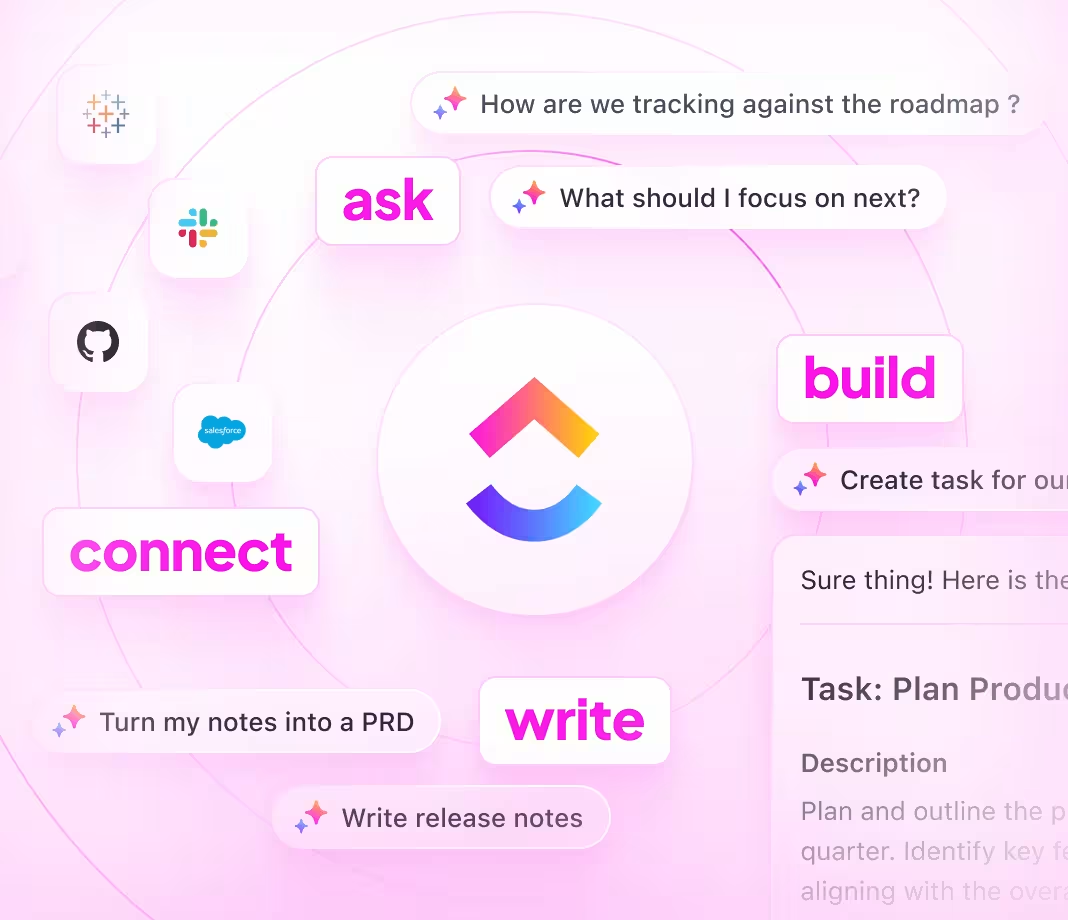
Harness ClickUp for your release standards
Unlock seamless release communication with ClickUp
Empower teams with structured, actionable communication guides that evolve with every deployment.
Organize
Structured communication standards with ClickUp Docs
- Release timelines, messaging templates, escalation protocols
- Table of contents and subpages for intuitive navigation
- Consistent template usage across all communications
Why it matters: Teams get aligned messaging faster, reducing errors and confusion.

Manage
Ownership and accountability tracking
- Convert communication gaps into actionable tasks
- Assign clear ownership, deadlines, and review cycles
- Track updates alongside release workflows
Why it matters: Your communication standards remain current and reliable through clear responsibility.

Connect
Link communication docs directly to releases
- Associate standards with specific releases and postmortems
- Connect communication plans to incidents and change requests
- Incorporate feedback loops and support insights
Why it matters: Communication stays relevant and synchronized with evolving release conditions.

Release Communication Knowledge Base FAQs
Your questions answered




SOC 2
CERTIFIED

ISO 27001
CERTIFIED

GDPR
COMPLIANT

HIPAA
COMPLIANT