Build a Robust Knowledge Base for Quality Acceptance Standards
Create a centralized, searchable repository for standards, protocols, inspection criteria, and compliance documentation—so your team always has reliable quality benchmarks at hand.
 25,000+ reviews from
Why ClickUp Excels for Quality Acceptance Standards Knowledge Management
Consolidate your quality standards and workflows in one scalable platform.
Conventional Methods
- Standards stored separately from execution, causing outdated references
- Manual updates rely heavily on memory and follow-ups
- Documentation disconnected from quality control activities
- Access limitations force redundant files for different roles
- Fully manual processes slow down updates and adoption
Using ClickUp
- Integrate standards with tasks, comments, and real-time updates
- Convert documentation gaps into actionable quality tasks
- Link standards directly to inspections, audits, and corrective actions
- Granular permission controls for internal and external stakeholders
- AI-powered drafting, summarizing, and troubleshooting accelerate upkeep
Steps to Create a Quality Acceptance Standards Knowledge Base
Follow this 6-step approach to ensure your standards knowledge base is comprehensive, accessible, and current.
1. Identify key stakeholders and define quality standards objectives
- Determine who relies on the standards (QA teams, auditors, suppliers)
- Outline the scope: inspections, acceptance criteria, regulatory compliance
- Assign ownership to maintain consistency and accountability
2. Develop a clear and intuitive knowledge base structure
- Organize content into sections: protocols, checklists, acceptance criteria, audit procedures
- Use subpages and tables of contents for easy navigation
- Ensure critical updates like revisions and deprecations are visible
3. Standardize documentation templates for uniformity
- Create templates covering purpose, acceptance criteria, measurement methods, and compliance notes
- Include examples and edge cases to minimize interpretation errors
- Maintain consistency to streamline training and audits
4. Incorporate practical guides and troubleshooting resources
- Add step-by-step procedures for inspections and testing
- Document common non-conformance issues and corrective action workflows
- Centralize best practices and regulatory references
5. Connect knowledge base updates to quality management processes
- Link documentation revisions to audits, corrective actions, and compliance changes
- Treat standards maintenance as part of continuous quality improvement
- Ensure the knowledge base evolves with operational changes
6. Manage access and sustain the knowledge base over time
- Control permissions for internal teams, partners, and regulatory bodies
- Schedule regular reviews and feedback collection
- Monitor usage and update based on evolving quality requirements
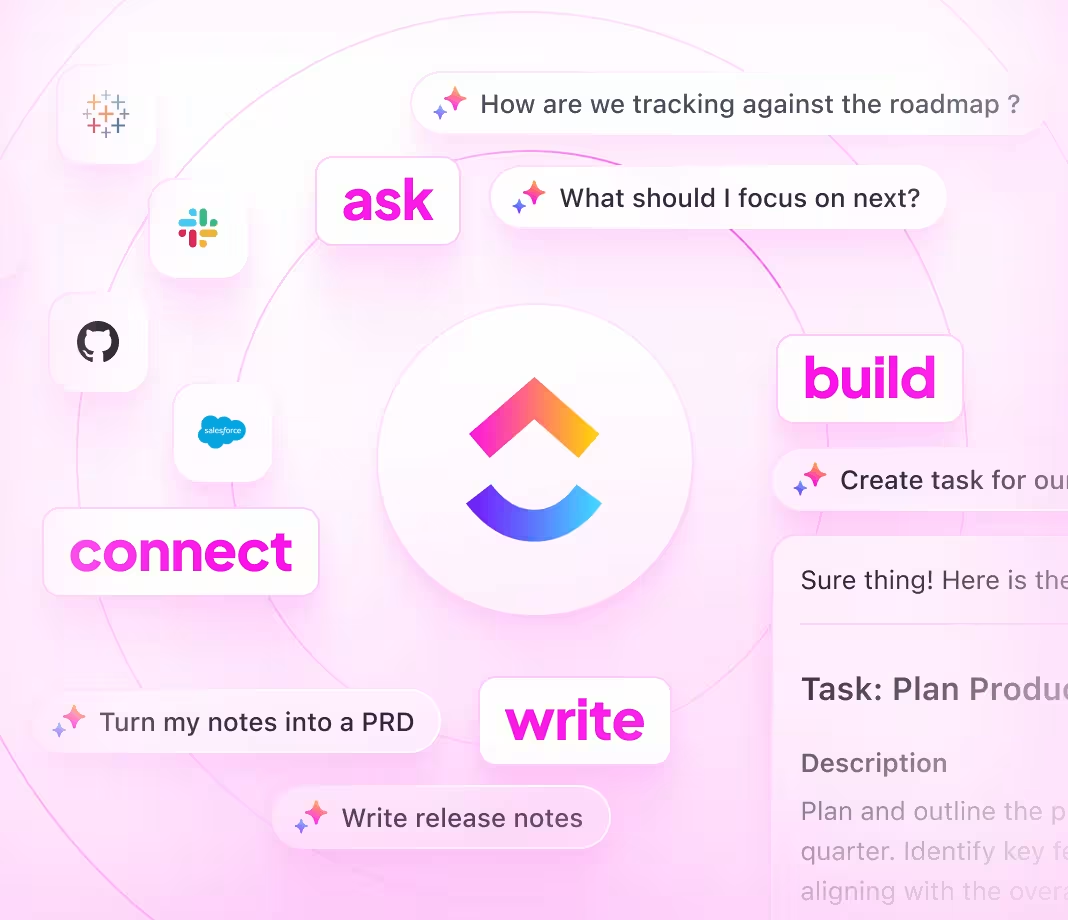
How ClickUp supports building a quality acceptance standards knowledge base
Ensure your quality standards are structured, owned, and seamlessly integrated with operational workflows.
Structured Quality Standards Documentation with ClickUp Docs
- Protocols, Inspection Criteria, Acceptance Thresholds, Audit Checklists
- Table of contents with nested pages for clarity
- Consistent template use across all standards
Why it matters: Teams find precise quality requirements quickly, reducing errors and delays.

Accountable Ownership and Tracking
- Convert documentation gaps into actionable tasks
- Assign owners, set deadlines, and schedule periodic reviews
- Monitor standards maintenance alongside quality initiatives
Why it matters: Your knowledge base remains relevant through built-in accountability and workflows.

Documentation Synced with Quality Processes
- Link standards updates to audits, corrective actions, and compliance reviews
- Connect findings, incidents, and feedback directly to documentation
- Use Brain Max AI to summarize and update content dynamically
Why it matters: Standards evolve in real time, reflecting operational and regulatory changes.

Frequently Asked Questions






