Product Bug Reporting Knowledge Hub
Build a Centralized Knowledge Base for Bug Reporting Guidelines
Create a unified, searchable resource for bug categorization, reporting standards, reproduction steps, and resolution workflows—ensuring your team captures and resolves bugs efficiently.
 25,000+ reviews from
Trusted by the best
ClickUp vs Traditional Bug Tracking
Why ClickUp Transforms Bug Reporting Knowledge Management
Consolidate your bug reporting guidelines and execution in one evolving platform.
Traditional Bug Reporting Methods
- Bug knowledge scattered across emails, spreadsheets, and multiple tools
- Manual updates lead to outdated or inconsistent reporting standards
- Lack of direct links between bug reports and resolution tasks
- Difficult permission management causes duplication or leaks
- Time-consuming manual tracking and reporting processes
Using ClickUp for Bug Reporting Guidelines
- Integrate documentation, tasks, and communication in a single workspace
- Automatically convert documentation gaps into actionable tasks
- Link bug reports directly to guidelines, fixes, and release notes
- Granular access controls for internal teams and external collaborators
- AI-assisted drafting, summarization, and troubleshooting support speeds workflows
Building Your Bug Reporting Knowledge Base
How to create a comprehensive knowledge base for bug reporting guidelines
Follow this 6-step approach to design a structured and dynamic bug reporting resource.
1. Identify your team’s bug reporting needs and audience
- Determine who reports and resolves bugs (QA, developers, support)
- Outline key reporting criteria, severity levels, and workflows
- Assign responsibility for maintaining and updating guidelines
2. Design a clear and navigable knowledge base framework
- Build a centralized hub with sections for bug categories, templates, and workflows
- Include essential topics like reproduction steps, prioritization, and communication protocols
- Keep change logs and escalation procedures accessible
3. Standardize bug report templates for consistency
- Create uniform templates covering required fields: environment, steps, expected vs actual behavior
- Ensure all reports capture diagnostic information and attachments
- Include guidelines for triage and verification
4. Enrich with practical guides and troubleshooting tips
- Develop how-to articles for common bug scenarios and reporting best practices
- Incorporate troubleshooting checklists and known issue trackers
- Document escalation paths and resolution criteria
5. Keep guidelines current by linking them to bug fixes and releases
- Connect knowledge base updates to code commits, bug resolutions, and deployment notes
- Make documentation part of the bug lifecycle, not an afterthought
- Ensure versioned guidelines reflect product changes
6. Control access and regularly review the knowledge base
- Manage permissions for engineering, QA, and support teams
- Schedule periodic reviews and updates based on feedback and incident analysis
- Track knowledge base health and adapt to evolving processes
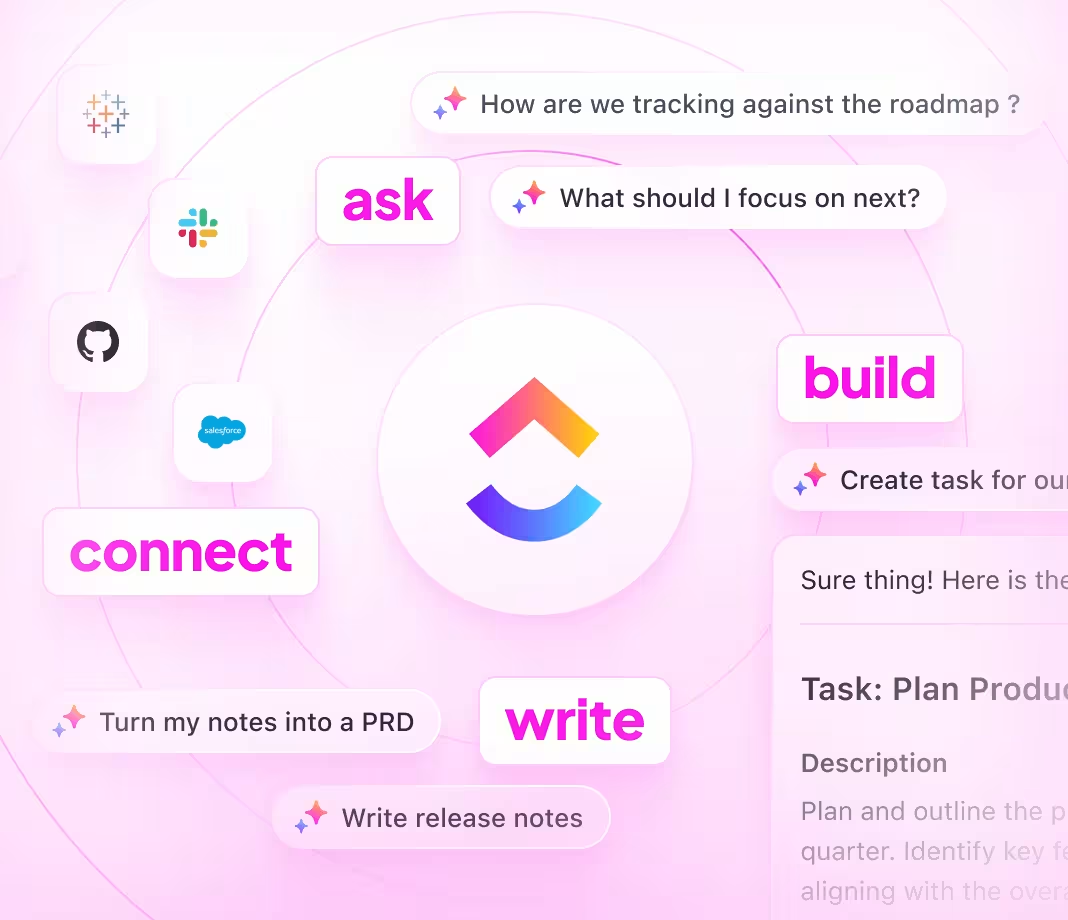
ClickUp’s Role in Bug Reporting Excellence
How ClickUp empowers your bug reporting knowledge base
Synchronize bug reporting guidelines with product development to reduce errors and accelerate fixes.
Organize
Structured Bug Reporting Guidelines in ClickUp Docs
- Sections for bug types, reporting templates, triage steps, and resolution workflows
- Intuitive table of contents and nested pages for quick navigation
- Consistent formatting ensures clarity across all documentation
Why it matters: Reporters and developers find the right information fast, reducing miscommunication.

Manage
Transparent Ownership and Task Tracking
- Convert documentation gaps into assigned tasks with deadlines
- Assign owners and reviewers for each guideline section
- Monitor updates like you do with bug fixes and product tasks
Why it matters: Accountability keeps your knowledge base accurate and trustworthy.

Connect
Link Documentation to Bug Lifecycle Events
- Attach guidelines to bug reports, fixes, and release notes
- Connect incidents and postmortems to documentation updates
- Use feedback loops from support to improve reporting standards
Why it matters: Your knowledge base evolves alongside your product and team processes.

ClickUp Bug Reporting Knowledge Base
Common Questions About Building a Bug Reporting Knowledge Base


SOC 2
CERTIFIED

ISO 27001
CERTIFIED

GDPR
COMPLIANT

HIPAA
COMPLIANT