Streamline Your Patch Management Knowledge Base
Create a centralized, searchable resource for patch policies, deployment schedules, vulnerability assessments, and remediation guides—empowering your IT team with up-to-date insights.
 25,000+ reviews from
Elevate Patch Management Documentation with ClickUp
Unify knowledge and workflows to reduce vulnerabilities and accelerate remediation.
Using traditional patch management tools
- Patch info scattered across emails and spreadsheets
- Manual updates lead to outdated procedures
- Limited visibility into patch status and history
- Difficulty coordinating across teams
- Time-consuming tracking and reporting processes
Using ClickUp for patch management knowledge base
- Centralized Docs linked directly to patch tasks and incidents
- Automatic assignment of remediation tasks from documentation gaps
- Real-time visibility into patch deployment and compliance
- Granular permissions for internal and external stakeholders
- AI-powered drafting, summarization, and troubleshooting support
Transform Patch Documentation with These 6 Steps
Implement a structured approach to keep patch management knowledge precise and actionable.
1. Identify stakeholders and patch management objectives
- Define who uses the knowledge base (IT, security, compliance)
- Outline key goals like reducing vulnerabilities and improving audit readiness
- Assign document owners for accountability
2. Design an intuitive knowledge base framework
- Organize sections: Patch Policies, Deployment Procedures, Vulnerability Tracking, Remediation Guides
- Ensure easy navigation with tables of contents and subpages
- Include changelogs and audit logs for transparency
3. Standardize patch documentation templates
- Use consistent formats covering patch details, impact analysis, deployment steps, and rollback plans
- Incorporate compliance requirements and risk assessments
- Maintain uniformity to simplify training and audits
4. Integrate real-world remediation workflows and troubleshooting
- Document step-by-step patch deployment procedures
- Include troubleshooting tips for common patch failures
- Centralize incident response plans related to patching
5. Link documentation updates to patch release cycles
- Connect knowledge base updates to scheduled patch releases and emergency fixes
- Treat documentation as part of deployment workflows
- Keep information current as systems evolve
6. Control access and continuously maintain the knowledge base
- Set permissions for internal teams, compliance auditors, and external vendors
- Regularly review and update content based on feedback and audit findings
- Use AI tools to identify outdated or incomplete sections
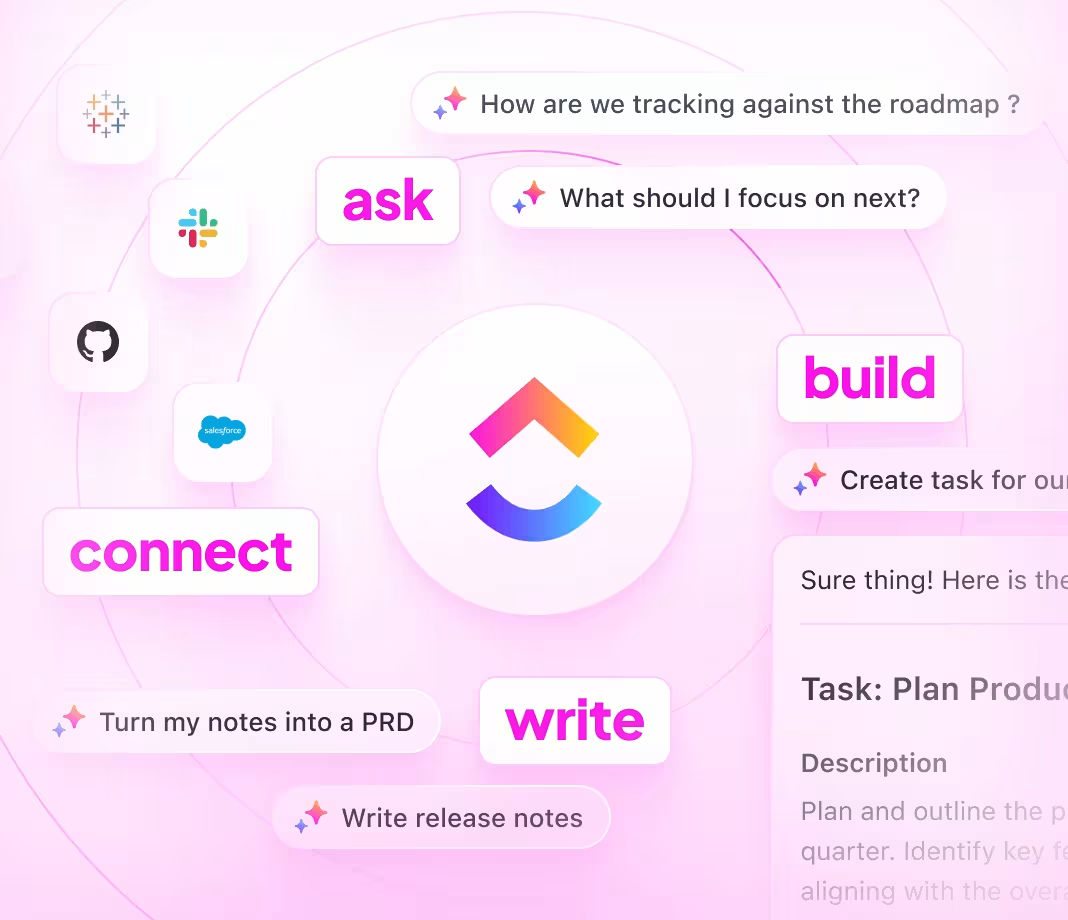
Unlock the power of ClickUp for patch management knowledge
Ensure your patch management knowledge base is comprehensive, accurate, and seamlessly integrated with your operational workflows.
Structured Patch Documentation with ClickUp Docs
- Patch policies, deployment schedules, vulnerability logs, remediation guides
- Table of contents with nested subpages for easy access
- Standardized templates for every patch type
Why it matters: Teams locate critical patch info swiftly, reducing downtime and security gaps.

Accountable Ownership and Tracking
- Convert documentation updates into actionable tasks
- Assign owners, deadlines, and review cycles
- Monitor progress as part of your security workflows
Why it matters: Documentation stays accurate because responsibility is clear and tracked.

Documentation Synced with Patch Releases
- Link docs to patch deployments, incident reports, and compliance audits
- Incorporate feedback loops and post-deployment reviews
- Ensure continuous alignment with evolving systems
Why it matters: Knowledge remains current, supporting faster and safer patch rollouts.

Your Questions About ClickUp for Patch Documentation, Answered






