
ML Incident Response Knowledge Hub
Craft a Dynamic Knowledge Base for ML Incident Response
Create a centralized, searchable platform for incident protocols, model diagnostics, alerts, mitigation steps, and postmortem analyses—empowering your team with the most current insights for rapid resolution.
 25,000+ reviews from
Trusted by the best
ClickUp vs Traditional Tools
Why ClickUp Transforms ML Incident Response Knowledge Management
Unify knowledge and response workflows in a single scalable system.
With traditional tools
- Incident knowledge scattered across emails and disparate docs
- Updates depend on manual recall and fragmented communication
- Incident insights disconnected from actual response actions
- Permission hurdles cause documentation duplication and confusion
- Manual tracking slows knowledge updates and resolution times
With ClickUp
- Knowledge and tasks coexist seamlessly (Docs + incidents + comments)
- Automate gap identification by turning documentation needs into tasks
- Link knowledge base directly to live ML incidents and remediation efforts
- Granular access controls for internal teams and external partners
- Leverage ClickUp Brain and AI to accelerate documentation and troubleshooting
Steps to build your ML incident response knowledge base
How to develop a knowledge base tailored for ML incident response?
Follow this 6-step framework to keep your incident insights organized, actionable, and current.
1. Identify stakeholders and set incident response documentation goals
- Define who uses the knowledge base: engineers, data scientists, ops
- Outline incident types and response workflows to cover
- Assign ownership for continuous documentation upkeep
2. Design a clear, modular knowledge base architecture
- Build hubs for alerts, diagnostics, mitigation playbooks, and root cause analyses
- Structure content for quick access during high-pressure incidents
- Include versioning for model updates and incident learnings
3. Standardize playbook and incident report templates
- Use consistent formats for incident summaries, diagnostics, and resolution steps
- Cover key elements like model version, data drift signals, anomaly detection
- Incorporate troubleshooting checklists to reduce repetitive queries
4. Integrate real-time ML monitoring insights and troubleshooting guides
- Embed links to monitoring dashboards and alert metrics
- Document common failure modes and rapid recovery procedures
- Provide best practices for model rollback and retraining
5. Link documentation updates to incident tickets and model releases
- Tie knowledge base edits directly to incident resolution tasks and model deployments
- Treat documentation as an ongoing part of incident management
- Ensure the knowledge base evolves with your ML infrastructure
6. Manage permissions and facilitate continuous feedback loops
- Control access for internal teams, external auditors, and partners
- Schedule regular reviews and incorporate feedback from incident retrospectives
- Maintain changelogs for transparency and compliance
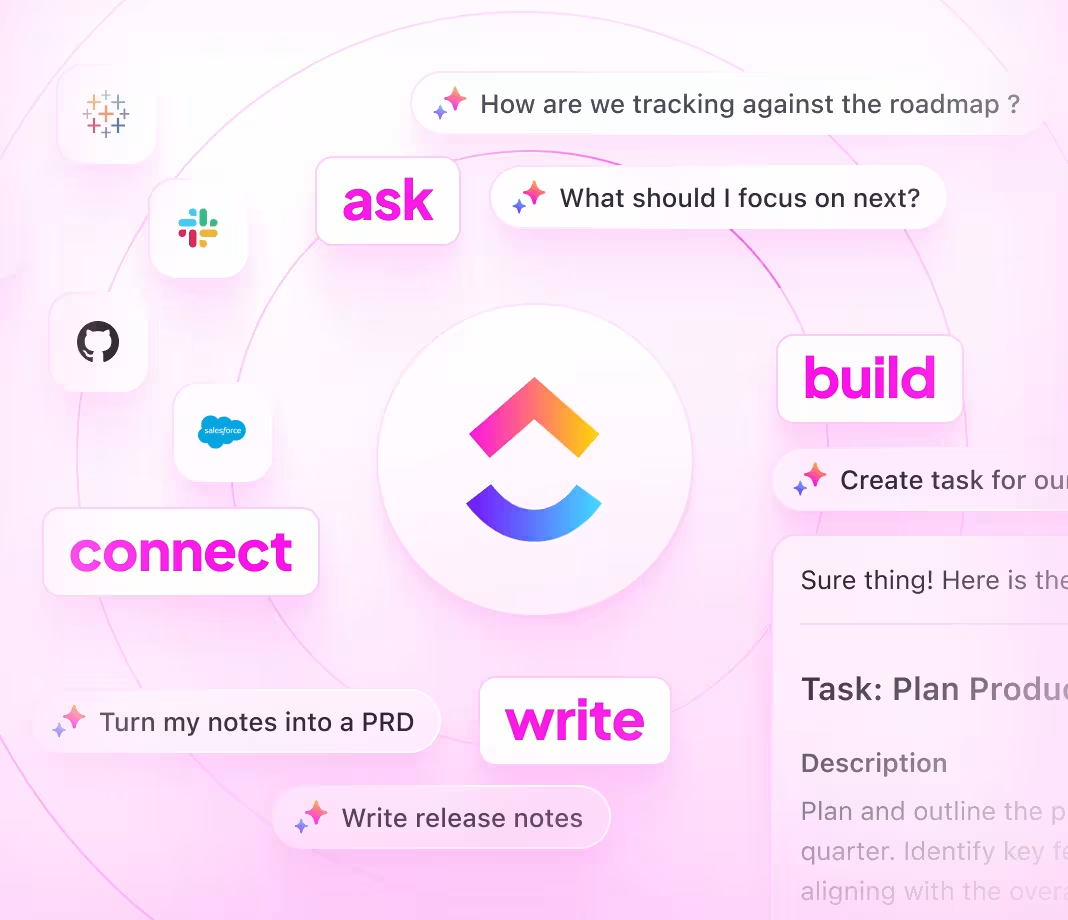
Harnessing ClickUp Features for ML Ops
How ClickUp empowers ML incident response knowledge bases
Maintain clarity, ownership, and alignment across your incident response lifecycle.
Organize
Modular Knowledge Structures with ClickUp Docs
- Centralize alerts, diagnostics, mitigation plans, and postmortems
- Use nested pages and tables of contents for rapid navigation
- Apply consistent templates for incident reports and playbooks
Why it matters: Teams access critical info swiftly when every second counts.

Assign
Clear Ownership and Accountability Tracking
- Convert documentation gaps into actionable tasks
- Assign responsible responders with clear due dates and review cycles
- Monitor progress alongside incident management workflows
Why it matters: Documentation stays accurate and up-to-date through built-in responsibility.

Connect
Documentation Linked to Live Incidents and Model Releases
- Associate docs with incident tickets, alerts, and model version changes
- Capture root cause analyses and remediation efforts systematically
- Embed feedback and support queries to refine knowledge over time
Why it matters: Your knowledge base remains synchronized with evolving ML environments.

ClickUp ML Incident Response Knowledge Base
Common Questions


SOC 2
CERTIFIED

ISO 27001
CERTIFIED

GDPR
COMPLIANT

HIPAA
COMPLIANT