Centralized Metrics Glossary Knowledge Base
Construct a Robust Knowledge Base for Your Metrics Glossary
Develop a unified, searchable repository for metric definitions, calculation methods, data sources, and usage guidelines—ensuring your team accesses precise and consistent metric information every time.
 25,000+ reviews from
Trusted by the best
ClickUp vs Traditional Tools
Why ClickUp Excels for Metrics Glossary Knowledge Management
Create a single source of truth that grows with your data team.
Relying on traditional tools
- Metrics definitions scattered across spreadsheets and docs, leading to confusion
- Manual updates cause delays and inconsistencies
- Lack of integration with analysis workflows
- Access controls are limited, risking data leaks or outdated copies
- Entirely manual process increases overhead and error risk
Using ClickUp for metrics glossary
- Centralizes glossary with real-time updates tied to data projects
- Transforms definition gaps into actionable tasks
- Links metrics to dashboards, reports, and data lineage
- Granular permissions for internal teams, partners, and stakeholders
- AI-powered assistance accelerates content creation and maintenance
Building your knowledge base
Step-by-Step Guide to Creating a Metrics Glossary Knowledge Base
Follow these steps to ensure your glossary stays accurate, accessible, and aligned with business goals.
1. Identify stakeholders and glossary objectives
- Determine who uses the metrics and for what decisions
- Define scope: operational, financial, or product metrics
- Assign ownership for glossary accuracy and governance
2. Establish a clear, scalable structure for your glossary
- Create categories like KPI types, data sources, and calculation methods
- Use ClickUp Docs for hierarchical navigation
- Include metadata such as update frequency and data owners
3. Standardize metric definitions for consistency
- Adopt a uniform template covering metric name, formula, data source, and business context
- Incorporate common aliases and related metrics
- Document usage guidelines and limitations
4. Integrate practical examples and troubleshooting advice
- Provide sample queries and dashboard references
- Outline common data issues and resolution steps
- Include links to relevant data policies and governance documents
5. Maintain glossary accuracy by linking updates to data releases
- Connect glossary updates to data pipeline changes, new reports, and audits
- Treat glossary maintenance as part of the data deployment lifecycle
- Use ClickUp tasks to track and manage updates
6. Control access and foster collaboration
- Set permissions for data teams, analysts, and executives
- Encourage feedback loops for continuous improvement
- Schedule regular reviews using ClickUp reminders
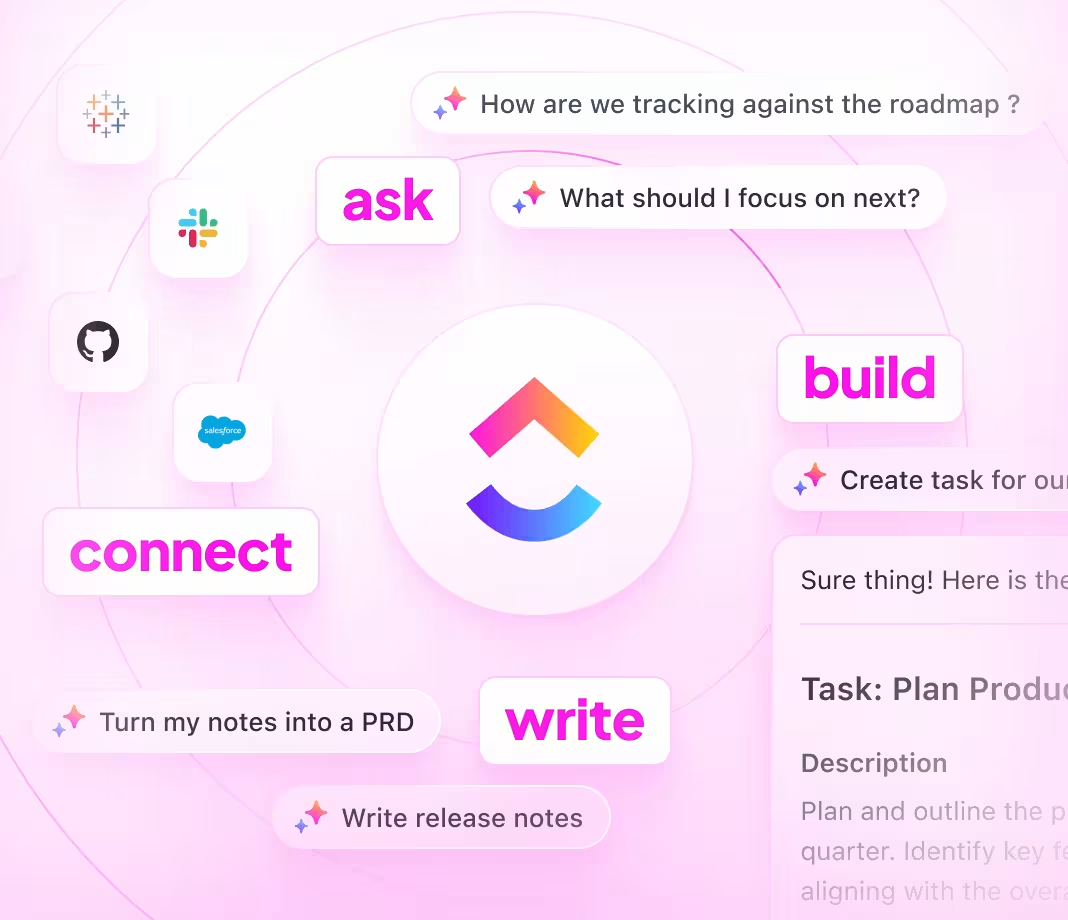
The Power of ClickUp Knowledge Base
How ClickUp supports building your metrics glossary knowledge base
Maintain clarity, ownership, and alignment for your metrics definitions across teams.
Organize
Structured Metrics Glossary with ClickUp Docs
- Define categories like KPIs, dimensions, and sources
- Utilize nested Docs and table of contents for intuitive navigation
- Apply consistent formatting for each metric entry
Why it matters: Teams find precise definitions quickly, reducing misinterpretations.

Manage
Trackable Ownership and Updates
- Convert unclear or missing definitions into actionable tasks
- Assign responsible owners with deadlines and review cycles
- Monitor glossary upkeep as an ongoing data governance activity
Why it matters: Accountability ensures your metrics glossary remains trustworthy and up-to-date.

Connect
Glossary Aligned with Data Releases
- Link glossary entries to data pipeline updates, report launches, and audits
- Integrate feedback and incident reports into glossary improvements
- Keep documentation synchronized with evolving data landscape
Why it matters: Your metrics glossary evolves with your data ecosystem, preventing outdated definitions.

ClickUp metrics glossary knowledge base
Common Questions


SOC 2
CERTIFIED

ISO 27001
CERTIFIED

GDPR
COMPLIANT

HIPAA
COMPLIANT