Laboratory Protocols Knowledge Base
Build a Centralized Knowledge Base for Laboratory Protocols
Create a searchable, organized hub for experimental methods, safety guidelines, reagent lists, and troubleshooting—so your lab team always accesses the latest, validated protocols.
 25,000+ reviews from
Trusted by the best
ClickUp vs Traditional Methods
Why ClickUp Outperforms Conventional Tools for Laboratory Protocols
Consolidate your lab knowledge and workflows in one scalable platform.
Traditional Tools
- Protocols scattered across documents and emails, causing version confusion
- Manual updates increase risk of outdated or unsafe instructions
- Lack integration with lab schedules and task assignments
- Permission restrictions lead to multiple copies and inconsistent access
- Time-consuming creation and review processes
With ClickUp
- Combine protocol documentation with task management and team communication
- Use AI-powered ClickUp Brain to draft and update protocols efficiently
- Link protocols directly to experiments, inventory, and quality control tasks
- Granular permissions ensure accurate access for researchers and collaborators
- Streamlined workflows reduce manual overhead and speed up protocol deployment
Creating Your Knowledge Base
Step-by-Step Guide to Building a Laboratory Protocols Knowledge Base
Follow these 6 essential steps to maintain clear, accessible, and current protocols for your lab team.
1. Identify your lab’s users and documentation goals
- Determine researchers, technicians, and collaborators who need protocol access
- Define the scope: safety, preparation, assays, data analysis
- Assign responsibility for protocol ownership and updates
2. Design a clear, navigable knowledge base structure
- Organize by experiment type, equipment, and safety categories
- Use ClickUp Docs with nested pages for protocols, reagents, and troubleshooting
- Include quick links to standard operating procedures and regulatory compliance
3. Standardize protocol templates for consistency
- Create uniform protocol pages outlining objectives, materials, steps, and validation
- Incorporate safety warnings and quality control checkpoints
- Ensure templates are easy to update and replicate
4. Incorporate practical guides and troubleshooting advice
- Add sections for common pitfalls, error handling, and FAQs
- Document calibration, maintenance, and disposal procedures
- Use task checklists to guide experiment preparation and execution
5. Link protocols to lab schedules and experiment tracking
- Connect protocol updates with project timelines and equipment bookings
- Use ClickUp tasks to assign protocol reviews and approvals
- Maintain audit trails linking protocols to experimental results
6. Manage access and keep your knowledge base current
- Set permissions for internal staff, external collaborators, and regulatory auditors
- Schedule regular protocol reviews and archive outdated versions
- Use ClickUp Brain Max AI to summarize changes and suggest improvements
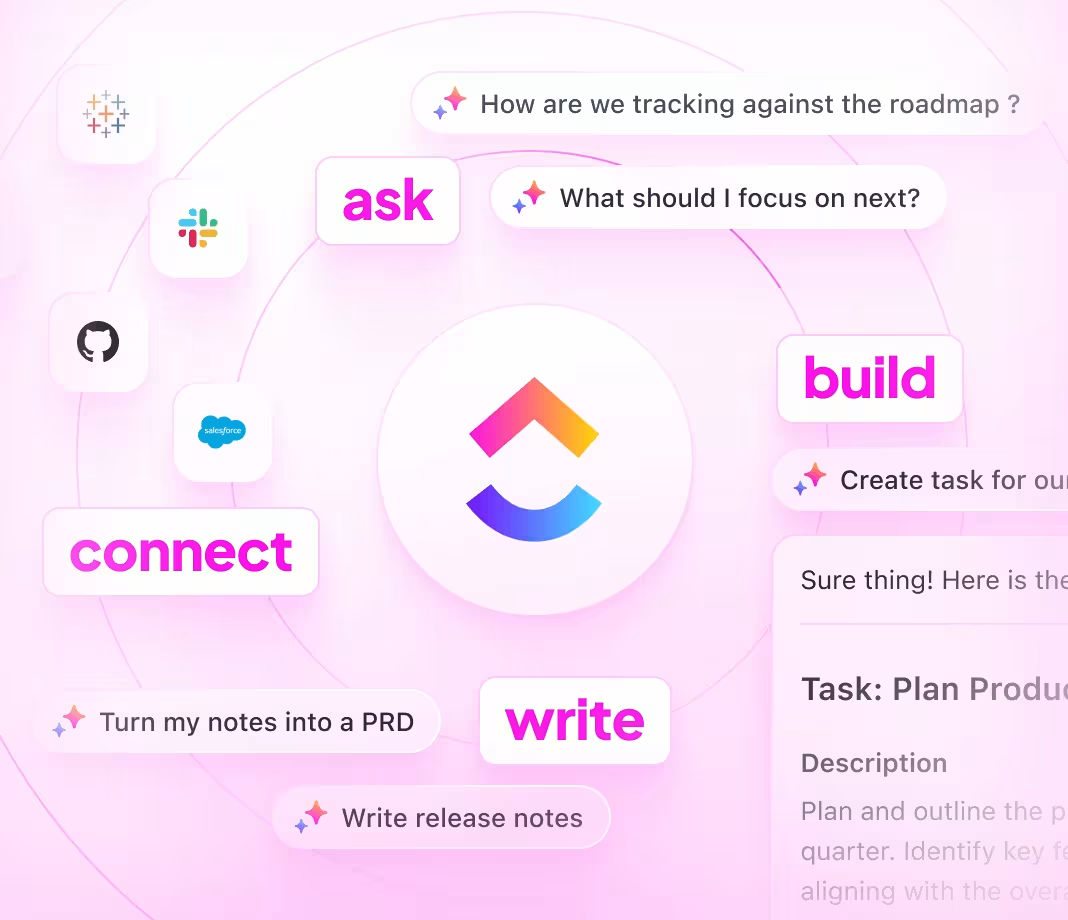
Leveraging ClickUp for Lab Protocols
How ClickUp Supports Laboratory Protocol Knowledge Management
Keep your protocols organized, assigned, and synchronized with your lab’s workflow.
Organize
Robust Protocol Documentation with ClickUp Docs
- Categorize protocols by experiment type, equipment, and compliance
- Use nested Docs with tables of contents for easy navigation
- Apply consistent templates for all protocols to enhance clarity
Why it matters: Researchers quickly find accurate procedures, reducing errors and delays.

Assign
Clear Protocol Ownership and Review Cycles
- Convert knowledge gaps into actionable tasks
- Assign protocol owners with deadlines and recurring review reminders
- Monitor documentation progress alongside lab projects
Why it matters: Accountability ensures protocols remain up-to-date and reliable.

Integrate
Seamless Protocol Connection to Laboratory Activities
- Link protocols to experiment schedules, reagent inventories, and safety checks
- Connect incident reports and deviations to relevant protocols
- Use ClickUp Brain AI to generate summaries and update logs
Why it matters: The knowledge base evolves in step with your lab’s work, supporting compliance and innovation.

Laboratory Protocols Knowledge Base FAQs
Common Questions About Using ClickUp for Lab Protocols




SOC 2
CERTIFIED

ISO 27001
CERTIFIED

GDPR
COMPLIANT

HIPAA
COMPLIANT