ClickUp Knowledge Base for Ownership Standards
Build a Robust Knowledge Base for Knowledge Ownership Standards
Create a centralized, searchable hub for policies, roles, responsibilities, and best practices—so your team always accesses the definitive source of knowledge ownership.
 25,000+ reviews from
Trusted by the best
ClickUp vs Traditional Methods
Why Choose ClickUp for Your Knowledge Ownership Standards Base
Unify knowledge and accountability in one evolving platform.
Relying on Traditional Tools
- Knowledge scattered across emails, docs, and spreadsheets, causing confusion
- Updates depend on manual follow-ups and informal communication
- Ownership unclear, leading to gaps and overlaps
- Access controls are rigid, complicating collaboration
- Manual processes slow down knowledge maintenance and scalability
Using ClickUp for Knowledge Ownership
- Centralize knowledge and execution with Docs, tasks, and comments in one place
- Convert knowledge gaps into actionable tasks with assigned owners
- Link standards to real workstreams and updates for transparency
- Flexible permissions for internal teams, partners, and stakeholders
- AI-powered drafting, summarizing, and review streamline maintenance
Crafting Your Knowledge Base
How to Build a Knowledge Base for Knowledge Ownership Standards
Follow this 6-step framework to establish clear, maintainable, and accessible ownership standards.
1. Identify stakeholders and define ownership objectives
- Determine who owns which knowledge areas and responsibilities
- Map workflows and decision points that require clear ownership
- Set goals for consistency, accountability, and knowledge sharing
2. Design a transparent knowledge base framework
- Create a hub with intuitive navigation for policies, roles, and standards
- Organize content into categories like responsibilities, procedures, and FAQs
- Include version histories and audit trails for compliance
3. Standardize documentation formats for clarity and consistency
- Use uniform templates for roles, responsibilities, and process descriptions
- Ensure each entry covers scope, owner, review cycles, and related tasks
- Highlight dependencies and escalation paths to reduce ambiguity
4. Incorporate practical guides and ownership scenarios
- Develop case studies and role-play examples to illustrate standards
- Add troubleshooting steps for common ownership conflicts
- Centralize communication protocols and escalation guidelines
5. Link knowledge updates to workflows and change management
- Connect documentation revisions to project updates and organizational changes
- Integrate ownership reviews into regular team retrospectives
- Treat knowledge ownership as a living component of your processes
6. Manage permissions and continuously audit the knowledge base
- Set granular access for teams, leaders, and external partners
- Schedule periodic reviews and feedback collection to maintain accuracy
- Use ClickUp AI to monitor content relevance and suggest updates
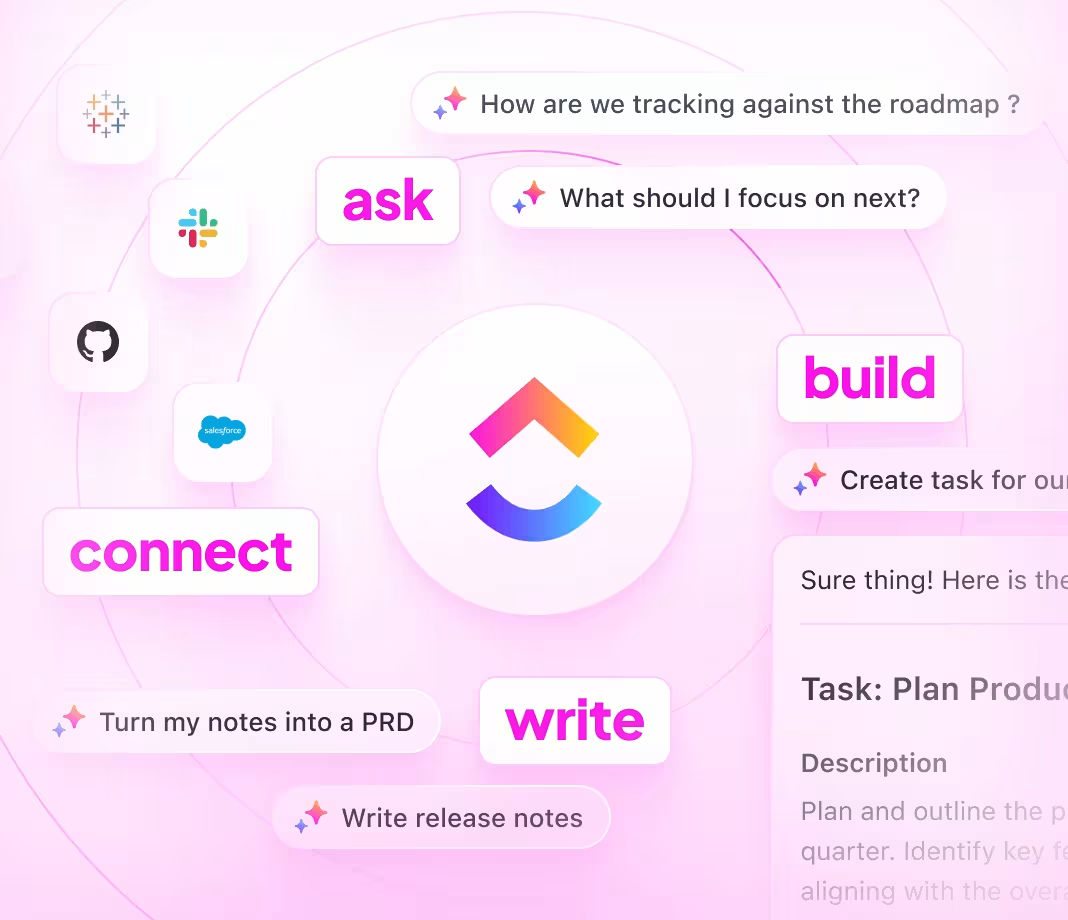
Unlocking Ownership Clarity
How ClickUp Empowers Knowledge Ownership
Ensure your knowledge ownership standards are transparent, actionable, and synchronized across your organization.
Organize
Structured Knowledge Ownership with ClickUp Docs
- Clear roles, responsibilities, and standards sections
- Nested pages with easy navigation and search
- Consistent templates for every ownership document
Why it matters: Teams access and understand ownership expectations effortlessly.

Accountability
Trackable Ownership and Documentation Progress
- Transform knowledge gaps into assigned tasks
- Assign owners with clear deadlines and review schedules
- Monitor progress like any other key project work
Why it matters: Accountability keeps ownership standards current and reliable.

Integration
Seamless Connection Between Knowledge and Workflows
- Link ownership docs to workflows, projects, and change requests
- Connect feedback, incidents, and updates to relevant standards
- Use ClickUp Brain and Brain Max to surface insights and revisions
Why it matters: Knowledge ownership evolves in lockstep with your organization.

ClickUp Knowledge Ownership FAQs
Your Questions About Building Knowledge Ownership Standards Answered


SOC 2
CERTIFIED

ISO 27001
CERTIFIED

GDPR
COMPLIANT

HIPAA
COMPLIANT