Internal Audit Checklist Knowledge Base
Build a Dynamic Knowledge Base for Internal Audit Checklists
Create a centralized, searchable repository for audit procedures, compliance standards, risk assessments, and findings—so your audit team always accesses the most current insights.
 25,000+ reviews from
Trusted by the best
ClickUp vs Traditional Tools
Why ClickUp Elevates Your Internal Audit Checklist Knowledge Base
Unify knowledge and audit execution in a single platform.
Using traditional tools
- Audit checklists scattered across spreadsheets and documents, leading to version conflicts
- Manual updates prone to oversight and delays
- Lack of integration between audit findings and follow-up tasks
- Restricted access causing duplicate content for different teams
- Entirely manual process extending audit cycle times
Harnessing ClickUp
- Consolidate audit checklists, tasks, and notes in one workspace
- Automatically convert checklist gaps into actionable tasks
- Link audit documentation to real-time findings and remediation efforts
- Granular permission settings for secure internal access
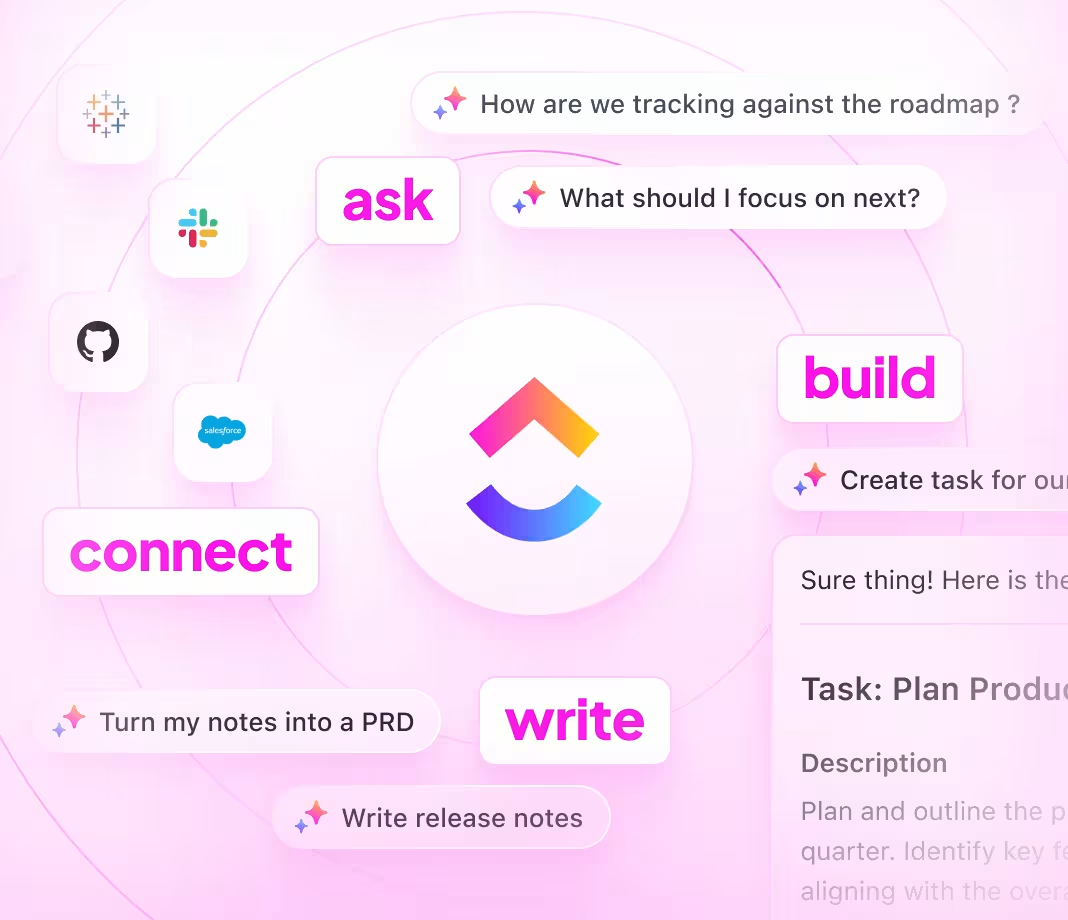
- AI-powered assistance with drafting, summarizing, and troubleshooting audit content
Steps to build your knowledge base
How to establish a knowledge base for internal audit checklists
Follow this 6-step framework to maintain accurate, accessible, and actionable audit documentation.
1. Identify your audit team’s needs and documentation goals
- Determine key users and stakeholders
- Outline audit types and compliance requirements covered
- Assign ownership to ensure continuous upkeep
2. Develop a clear knowledge base structure for audit checklists
- Organize by audit area: financial, operational, compliance, IT
- Include sections for procedures, risk criteria, evidence, and reporting
- Ensure intuitive navigation with tables of contents and subpages
3. Standardize checklist templates for consistency
- Use uniform formats for audit steps, criteria, and scoring
- Cover control objectives, testing methods, and expected outcomes
- Facilitate clear understanding and repeatability across audits
4. Incorporate practical guides and issue resolution protocols
- Provide how-to resources for common audit scenarios
- Document troubleshooting for frequent discrepancies or exceptions
- Centralize corrective action workflows and escalation paths
5. Keep your knowledge base current by integrating with audit cycles
- Link checklist updates to audit schedules, findings, and remediation tasks
- Make documentation part of the audit lifecycle, not an afterthought
- Track changes as regulations and controls evolve
6. Manage access and sustain knowledge quality over time
- Define roles for auditors, managers, and stakeholders
- Maintain version control, change logs, and feedback mechanisms
- Regularly review content to prevent knowledge drift
Empower Your Audit Process
Unlock Efficiency with ClickUp for Internal Audit Knowledge Base
Maintain audit documentation integrity while streamlining compliance and risk management workflows.
Organize
Structured Audit Documentation with ClickUp Docs
- Segmented checklists for Financial, Operational, Compliance, and IT audits
- Table of contents and nested pages for easy navigation
- Consistent checklist templates across audit types
Why it matters: Auditors locate procedures swiftly, reducing audit cycle friction.

Manage
Accountable Checklist Ownership and Tracking
- Convert checklist gaps into assigned remediation tasks
- Assign task owners with due dates and review schedules
- Monitor audit documentation progress alongside audit activities
Why it matters: Ensures audit knowledge stays accurate and responsibilities are clear.

Synchronize
Connect Documentation to Audit Cycles and Findings
- Link checklists to scheduled audits and risk assessments
- Tie findings and corrective actions directly to relevant documentation
- Capture feedback and updates as part of audit workflows
Why it matters: Keeps audit knowledge current and aligned with organizational risk posture.

ClickUp Knowledge Base for Internal Audit
Frequently Asked Questions


SOC 2
CERTIFIED

ISO 27001
CERTIFIED

GDPR
COMPLIANT

HIPAA
COMPLIANT