Incident Retrospective Templates Knowledge Hub
Build a Centralized Knowledge Base for Incident Retrospectives
Create a unified, searchable repository for incident postmortems, root cause analyses, action items, and lessons learned—so your team can continuously improve response and resolution processes.
 25,000+ reviews from
Trusted by the best
ClickUp vs Traditional Methods
Why ClickUp Excels for Building Incident Retrospective Knowledge Bases
Consolidate insights and streamline post-incident learning.
Traditional Approaches
- Retrospective notes scattered across tools and formats, causing confusion
- Manual tracking of action items leads to missed follow-ups
- Lack of integration with incident management systems
- Difficulty controlling access for different stakeholders
- Time-consuming updates and inconsistent documentation
Using ClickUp
- Centralized Docs linked directly to incident records and tasks
- Automate assignment and tracking of retrospective action items
- Integrate seamlessly with incident timelines and Brain insights
- Granular permission controls for internal and external teams
- AI-powered summaries and template generation accelerate documentation
Build Your Knowledge Base
How to Create an Incident Retrospective Knowledge Base with ClickUp
Follow these 6 steps to establish a dynamic, organized, and actionable retrospective repository.
1. Identify stakeholders and goals for your retrospective knowledge base
- Define who will use the knowledge base (engineering, support, management)
- Outline objectives like improving response times and preventing recurrence
- Assign ownership for maintenance and updates
2. Establish a clear structure for incident retrospective templates
- Organize by incident type, severity, and resolution phase
- Include sections for timeline, root cause, impact, and action items
- Use nested pages for detailed analysis and follow-up documentation
3. Standardize templates to capture consistent retrospective data
- Create reusable templates covering key incident details and learnings
- Ensure fields for timelines, contributing factors, mitigations, and lessons
- Facilitate easy duplication and adaptation for new incidents
4. Incorporate real incident case studies and troubleshooting guides
- Document common failure modes and resolution techniques
- Link to incident logs, alerts, and Brain AI insights
- Provide step-by-step guides for recurring issues
5. Keep knowledge base current by integrating with incident workflows
- Connect documentation updates to incident closure and postmortem tasks
- Treat knowledge base maintenance as part of the incident lifecycle
- Use ClickUp 4.0 automations to enforce review cycles
6. Manage access and continuous improvement of your knowledge base
- Set permissions for internal teams, external partners, and auditors
- Regularly review and update templates using Brain Max recommendations
- Collect feedback and track completion of action items to close gaps
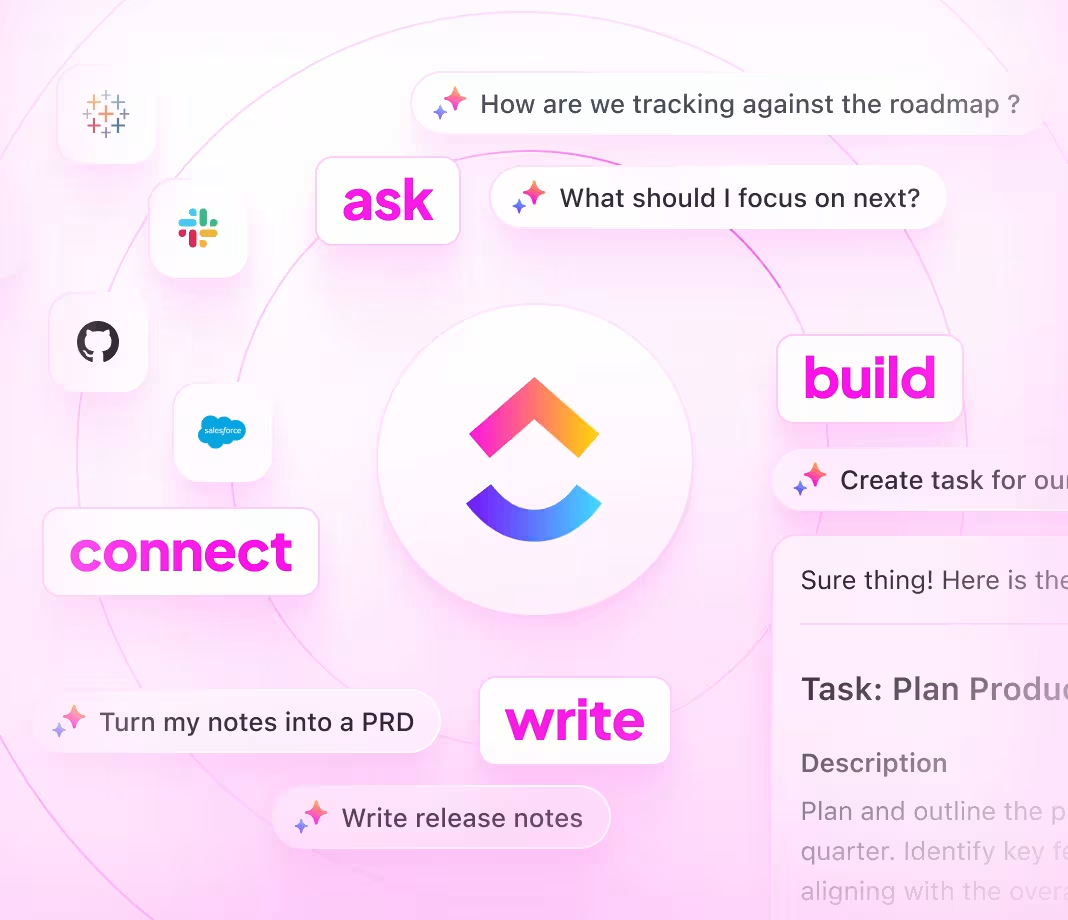
Empowering Incident Retrospectives
Unlock Continuous Improvement with ClickUp Knowledge Base
Harness ClickUp’s integrated platform to maintain clarity, ownership, and alignment across every incident review.
Organize
Structured Incident Retrospective Templates with ClickUp Docs
- Template sections for timeline, impact, root cause, and corrective actions
- Nested pages for detailed analyses and follow-ups
- Consistent formatting across incidents for quick comprehension
Why it matters: Teams can review and learn from incidents faster, driving smarter decisions.

Assign
Trackable Ownership for Retrospective Action Items
- Convert retrospective findings into actionable tasks
- Assign responsible owners with due dates and reminders
- Monitor progress and ensure accountability
Why it matters: Action items are completed reliably, closing the loop on incidents.

Connect
Link Documentation to Incident Timelines and Brain Insights
- Attach Docs to incident records, tickets, and postmortem reports
- Use ClickUp Brain to analyze incident trends and identify root causes
- Integrate AI-driven recommendations for continuous updates
Why it matters: Documentation evolves with your incident management, staying relevant and insightful.

Incident Retrospective Knowledge Base FAQ
Common Questions About ClickUp for Incident Retrospectives


SOC 2
CERTIFIED

ISO 27001
CERTIFIED

GDPR
COMPLIANT

HIPAA
COMPLIANT