Streamline Your Ergonomics Assessment Knowledge Base
Create a centralized, searchable hub for assessment protocols, risk factors, evaluation criteria, corrective actions, and compliance guidelines—ensuring your team accesses the most current ergonomic insights effortlessly.
 25,000+ reviews from
Why Choose ClickUp for Ergonomics Assessment Knowledge Management
One evolving platform that adapts with your ergonomic process.
Using traditional tools
- Knowledge stored separately from assessment workflows, leading to outdated information
- Manual updates depend on individual recall and follow-ups
- Disconnected from real-time assessment changes
- Access controls cause multiple document versions
- Entirely manual creation and maintenance increase delays
With ClickUp
- Integrates knowledge with execution (Docs, tasks, comments in one place)
- Identifies documentation gaps and converts them into actionable tasks
- Connects documentation directly to assessments, findings, and corrective measures
- Granular permissions for internal teams, external auditors, and stakeholders
- AI-driven features accelerate drafting, summarizing, and troubleshooting
How to Build a Knowledge Base for Ergonomics Assessment Processes
Follow this 6-step framework to keep your ergonomics knowledge organized, accessible, and current.
1. Identify stakeholders and assessment knowledge objectives
- Define who uses the knowledge base: assessors, safety officers, management
- Outline key assessment outcomes and reporting needs
- Assign responsibility for content upkeep and quality
2. Design a clear and intuitive knowledge base layout
- Establish core sections: assessment protocols, risk factors, scoring methods, interventions
- Include navigation aids like tables of contents and cross-references
- Ensure compliance and update tracking sections are easily navigable
3. Standardize documentation templates for consistency
- Use uniform formats for assessment reports and checklists
- Detail criteria for risk evaluation, measurement tools, and thresholds
- Incorporate common corrective action plans and follow-up procedures
4. Incorporate practical guides and troubleshooting aids
- Develop step-by-step instructions for ergonomic assessments
- Include common challenges and resolution strategies
- Centralize equipment calibration and maintenance records
5. Connect knowledge updates to assessment cycles and regulatory changes
- Link documentation revisions to scheduled assessments and audits
- Treat updates as integral to assessment workflows, not afterthoughts
- Maintain version control aligned with evolving standards
6. Manage access controls and continuous knowledge refinement
- Set permissions for internal teams, consultants, and external reviewers
- Regularly review and update content based on feedback and new evidence
- Use analytics to monitor usage and identify knowledge gaps
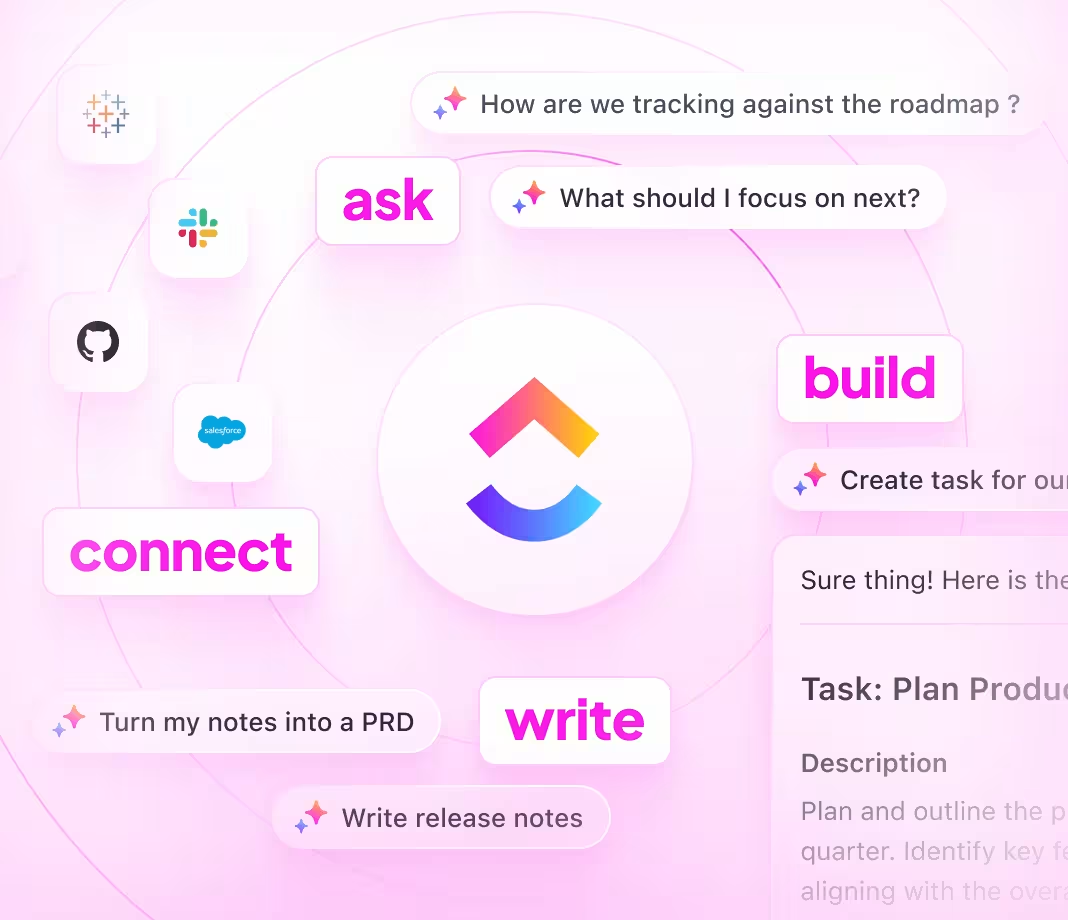
Unlock Ergonomics Insights with ClickUp Knowledge Base
Maintain structured, accountable, and continuously updated ergonomics assessment knowledge aligned with your process improvements.
Comprehensive Ergonomics Documentation with ClickUp Docs
- Assessment protocols, risk factor catalogs, scoring guidelines, intervention plans
- Table of contents with nested subpages for seamless navigation
- Consistent report and checklist templates
Why it matters: Teams find accurate assessment data faster, reducing errors and improving safety outcomes.

Transparent Ownership and Tracking
- Transform documentation gaps into actionable tasks
- Assign responsibility with due dates and regular review cycles
- Monitor documentation progress alongside assessment activities
Why it matters: Accountability ensures your knowledge base reflects current ergonomic best practices.

Seamless Linkage to Assessment and Compliance Cycles
- Connect documentation updates to assessment schedules, audit findings, and regulatory changes
- Integrate feedback, incident reports, and corrective actions
- Keep your ergonomic knowledge aligned with evolving workplace standards
Why it matters: Your knowledge base evolves with your process, avoiding outdated guidance.

Common Questions About Building an Ergonomics Knowledge Base




