
Engineering Troubleshooting Knowledge Hub
Build a Robust Knowledge Base for Engineering Troubleshooting
Create a centralized, searchable resource for error diagnostics, repair procedures, system logs, and root cause analyses—empowering engineers to resolve issues swiftly and accurately.
 25,000+ reviews from
Trusted by the best
ClickUp vs Legacy Systems
Why ClickUp Outperforms Traditional Tools for Engineering Troubleshooting Knowledge
Unify your troubleshooting knowledge and workflows in one scalable platform.
Using Traditional Tools
- Troubleshooting insights scattered across emails, spreadsheets, and documents
- Manual updates lead to outdated or inaccurate information
- Disconnected from real-time engineering tasks and incident management
- Access controls cause redundant copies and version confusion
- Time-consuming creation and maintenance with no automation
Leveraging ClickUp for Troubleshooting KB
- Integrated docs, tasks, and comments keep knowledge and action aligned
- Identify knowledge gaps and assign remediation tasks instantly
- Connect troubleshooting docs directly to incidents, maintenance logs, and change records
- Granular permissions support internal teams, partners, and external support
- AI-powered drafting, summarization, and error analysis accelerate updates
How to Build Your Engineering Troubleshooting Knowledge Base
Step-by-Step Guide to Creating a Troubleshooting Knowledge Base
Follow this 6-step framework to keep your knowledge base organized, accessible, and continuously improved.
1. Identify your engineering teams and troubleshooting objectives
- Define who will use the knowledge base and their critical issues
- Chart common failure modes, diagnostic workflows, and repair procedures
- Assign documentation ownership to ensure accountability
2. Design a clear knowledge base structure tailored for troubleshooting
- Develop a navigable hub with sections like error codes, root causes, diagnostics, and fixes
- Include logs, system diagrams, and escalation protocols
- Ensure changelogs and update histories are easy to locate
3. Standardize documentation templates for consistent troubleshooting entries
- Use uniform formats covering issue description, symptoms, diagnostic steps, and resolutions
- Document known failure patterns and preventative measures
- Include safety notes and compliance references to reduce errors
4. Integrate real-world troubleshooting guides and incident reports
- Author detailed how-tos for frequent failures and repair workflows
- Embed troubleshooting flowcharts and decision trees
- Centralize incident logs and postmortem analyses
5. Keep knowledge base current by linking to engineering change management
- Associate documentation updates with maintenance schedules, change requests, and incident tickets
- Treat knowledge updates as part of operational workflows, not afterthoughts
- Ensure rapid reflection of system upgrades and fixes
6. Manage permissions and continuous reviews for sustained accuracy
- Control access for internal engineers, external partners, and support teams
- Maintain audit trails, revision histories, and feedback loops
- Schedule periodic reviews and incorporate user feedback to prevent knowledge gaps
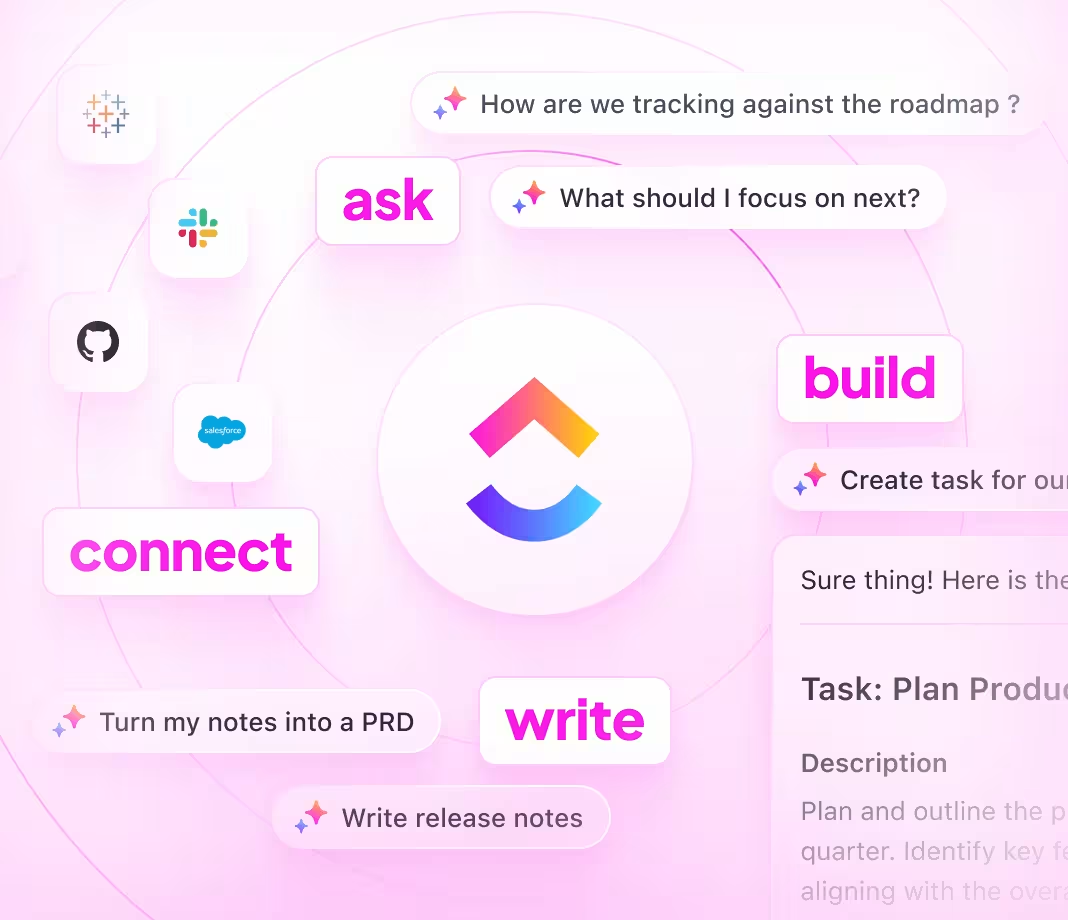
ClickUp’s Role in Engineering Knowledge
How ClickUp Empowers Your Troubleshooting Knowledge Management
Ensure troubleshooting data is structured, assigned, and synchronized with every system update.
Organize
Structured Troubleshooting Docs with ClickUp
- Categorize by system, error code, and component
- Table of contents and linked subpages for intuitive navigation
- Consistent documentation templates for diagnosis and repair
Why it matters: Engineers find solutions faster with uniform, easy-to-navigate resources.

Assign
Clear Ownership and Progress Tracking
- Convert knowledge gaps into actionable tasks
- Assign owners, deadlines, and review cycles
- Monitor documentation updates as part of operational workflows
Why it matters: Accountability ensures your knowledge base stays current and reliable.

Connect
Link Documentation to Engineering Workflows
- Tie documents to incident tickets, maintenance logs, and change requests
- Incorporate postmortem reports and feedback
- Use AI to summarize and update troubleshooting content
Why it matters: Documentation evolves alongside your systems, reducing downtime and repeated issues.

Engineering Troubleshooting Knowledge Base with ClickUp
Common Questions Answered


SOC 2
CERTIFIED

ISO 27001
CERTIFIED

GDPR
COMPLIANT

HIPAA
COMPLIANT