Disaster Recovery Knowledge Hub
Streamline Your Disaster Recovery Knowledge Base
Create a centralized, searchable space for recovery protocols, risk assessments, contact lists, and action plans—ensuring your team accesses critical disaster recovery information instantly.
 25,000+ reviews from
Trusted by the best
ClickUp vs Traditional Tools
Elevate Disaster Recovery Planning Beyond Traditional Methods
Consolidate recovery knowledge and execution in one dynamic platform.
Traditional disaster recovery tools
- Recovery plans scattered across emails and documents, causing confusion
- Updates rely on manual edits and memory, resulting in outdated info
- No direct link between plans and actual recovery tasks
- Difficult permission management leads to duplicate or inaccessible files
- Entirely manual processes slow down plan creation and updates
Using ClickUp for disaster recovery
- Integrates documentation with actionable tasks and communication
- Automatically converts plan gaps into assigned recovery tasks
- Links recovery docs to real incidents and updates for accuracy
- Granular access controls for internal teams, partners, and stakeholders
- AI tools accelerate drafting, summarizing, and troubleshooting content
Building Your Disaster Recovery Knowledge Base
How to create an effective disaster recovery knowledge base
Follow these 6 steps to build a robust, maintainable recovery resource.
1. Define stakeholders and recovery objectives
- Identify key users and their roles in recovery scenarios
- Outline critical recovery goals and success criteria
- Assign ownership to ensure ongoing plan maintenance
2. Design a clear and navigable knowledge base structure
- Organize content into sections like risk assessment, communication plans, and recovery procedures
- Use intuitive navigation with tables of contents and subpages
- Include version histories and change logs for transparency
3. Standardize recovery procedure documentation
- Develop consistent formats for incident types, response steps, and escalation paths
- Document tools, contacts, and resource requirements uniformly
- Address potential failure points and mitigation strategies
4. Incorporate real-world recovery scenarios and troubleshooting
- Add step-by-step guides for common disaster types
- Include troubleshooting checklists and contingency plans
- Centralize communication templates and notification guidelines
5. Keep recovery knowledge current by linking to incidents and tests
- Connect documentation updates to drills, outages, and post-incident reports
- Treat knowledge base updates as integral to incident management
- Ensure alignment as infrastructure and processes evolve
6. Manage secure access and ongoing review cycles
- Implement role-based permissions for sensitive information
- Schedule regular reviews and audits of recovery plans
- Gather team feedback to continuously improve knowledge accuracy
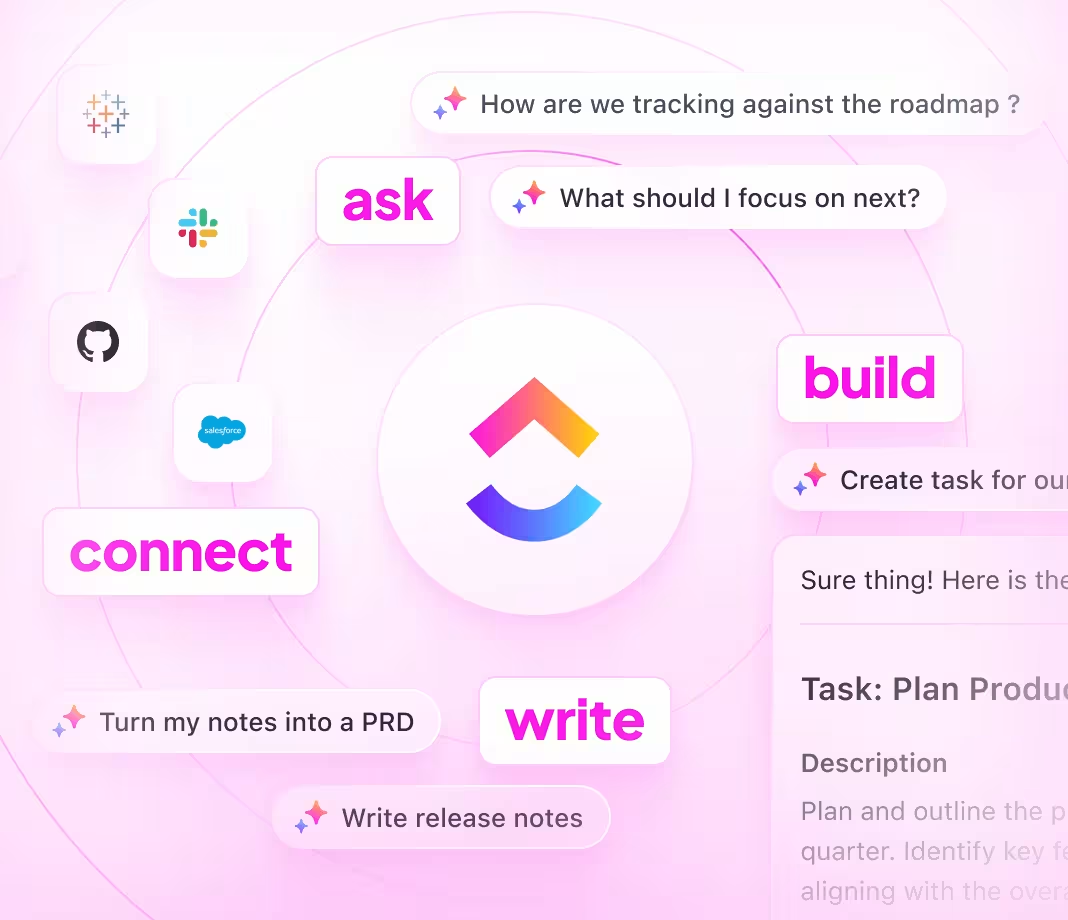
How ClickUp Supports Your Recovery Efforts
Unlock Clarity in Disaster Recovery Knowledge Management
Ensure your disaster recovery plans are structured, assigned, and synchronized with real-world events.
Organize
Structured Disaster Recovery Documentation with ClickUp Docs
- Risk assessments, recovery steps, communications, and resources
- Intuitive table of contents with nested pages for easy navigation
- Consistent templates for all recovery scenarios
Why it matters: Your team quickly locates critical information when every second counts.

Assign
Clear Ownership and Accountability Tracking
- Transform documentation gaps into actionable tasks
- Assign owners, deadlines, and review cycles
- Monitor progress like operational recovery work
Why it matters: Plans stay accurate because responsibility is clearly defined.

Integrate
Connected Documentation and Incident Management
- Link recovery plans to real incidents, drills, and postmortems
- Connect findings and updates directly to documentation
- Incorporate team feedback and support insights
Why it matters: Your knowledge base evolves seamlessly with your operational landscape.

Disaster Recovery Knowledge Base FAQs
Common Questions About Building Disaster Recovery Knowledge Bases




SOC 2
CERTIFIED

ISO 27001
CERTIFIED

GDPR
COMPLIANT

HIPAA
COMPLIANT