Streamline Your Digital Forensics Tools Knowledge Base
Create a unified, searchable repository for tool specs, procedures, case notes, and forensic standards—ensuring your team accesses the most accurate insights every time.
 25,000+ reviews from
Elevate Your Digital Forensics Knowledge Management
Build a centralized platform that grows with your investigative team.
Traditional methods
- Fragmented knowledge leads to outdated or inconsistent information
- Manual updates risk errors and delays
- Disconnected from active forensic workflows
- Limited access controls cause redundant copies
- Time-consuming documentation and maintenance processes
Using ClickUp
- Integrates documentation with investigative tasks and communications
- Instantly convert knowledge gaps into actionable tasks
- Link docs directly to case files, tool updates, and findings
- Granular permission settings for internal and external collaborators
- AI-powered features accelerate drafting, summarizing, and troubleshooting
Transform How You Create a Digital Forensics Tools Knowledge Base
Follow this 6-step framework to develop a comprehensive, easy-to-navigate, and always-current resource.
1. Identify forensic team needs and define knowledge objectives
- Determine key users: analysts, investigators, legal teams
- Chart workflows from evidence acquisition to reporting
- Assign clear ownership for knowledge upkeep
2. Design a logical structure tailored to forensic tools
- Organize by tool categories, case types, and protocols
- Include sections: tool specs, usage guides, troubleshooting, updates
- Provide changelogs and chain-of-custody documentation
3. Standardize documentation templates for consistency
- Create uniform pages covering tool purpose, capabilities, procedures, and limitations
- Include example use cases and error resolution
- Minimize redundant queries through comprehensive details
4. Incorporate practical guides and forensic workflows
- Develop step-by-step procedures for common forensic tasks
- Outline troubleshooting protocols and error handling
- Centralize best practices, certifications, and compliance notes
5. Keep knowledge current by integrating with case updates
- Link documentation updates to case milestones, tool upgrades, and incident reports
- Make knowledge base maintenance part of routine forensic operations
- Ensure alignment with evolving forensic standards and regulations
6. Secure sensitive information and maintain access control
- Configure permissions for investigators, partners, and legal advisors
- Regularly audit and update access rights
- Solicit feedback and schedule reviews to prevent knowledge decay
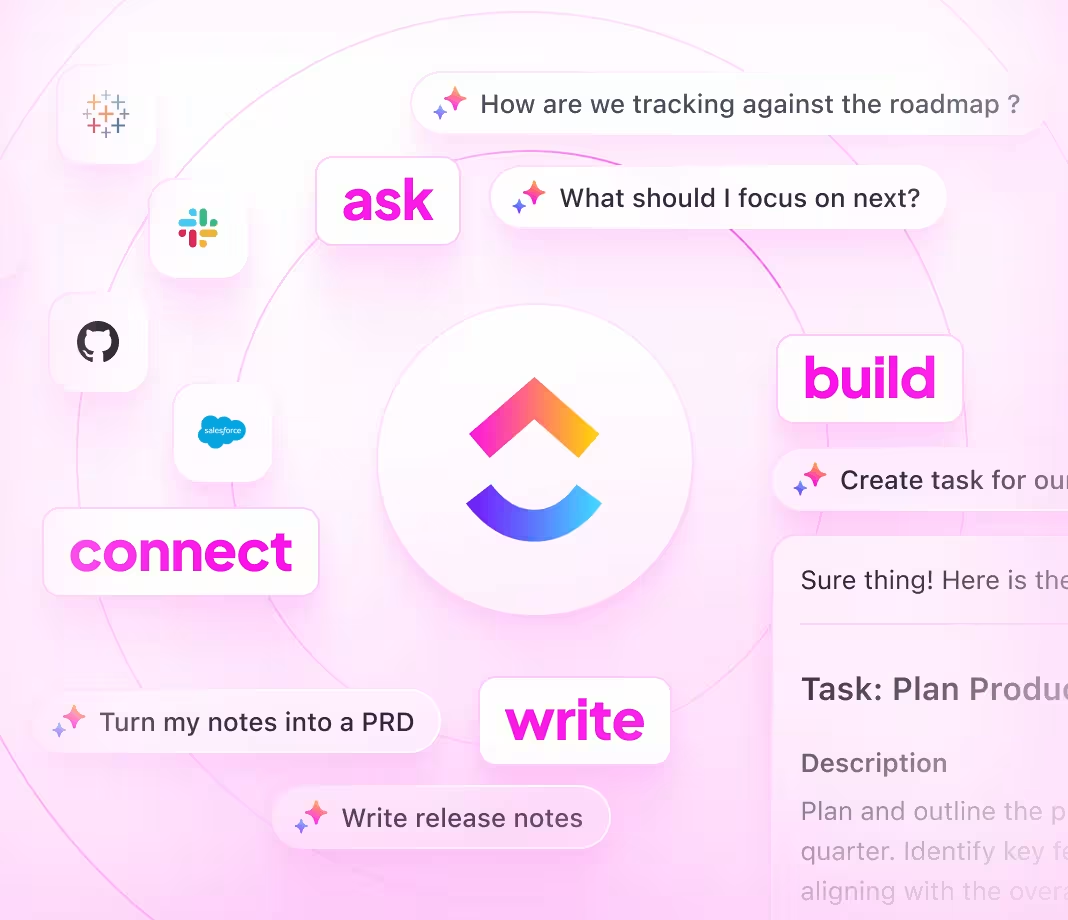
Unlock the potential of ClickUp for digital forensics knowledge
Ensure your digital forensic documentation is accurate, owned, and evolves alongside every case and tool enhancement.
Structured Forensics Documentation with ClickUp Docs
- Categorize by tool type, case phase, and forensic methodology
- Use nested pages and tables of contents for effortless navigation
- Apply consistent templates for tool documentation
Why it matters: Analysts find precise information quickly, reducing investigative delays.

Clear Ownership and Accountability in Knowledge Updates
- Convert knowledge gaps into assigned tasks
- Designate owners, set deadlines, and implement review cycles
- Track documentation progress alongside case workflows
Why it matters: The knowledge base remains reliable and continuously improves with built-in accountability.

Documentation Synced with Case and Tool Updates
- Link docs to case events, forensic tool releases, and incident analyses
- Integrate bugs, postmortems, and procedural changes
- Capture feedback and support tickets within the knowledge ecosystem
Why it matters: Documentation evolves in real time, ensuring investigators work with the latest standards.

Frequently Asked Questions




