Master DevOps Toolchains with ClickUp
Build a Unified Knowledge Base for DevOps Toolchains
Create a centralized, searchable hub for pipelines, integrations, scripts, troubleshooting guides, and deployment notes—keeping your DevOps team aligned and informed at every stage.
 25,000+ reviews from
Trusted by the best
ClickUp vs Traditional DevOps Tools
Why ClickUp Transforms DevOps Knowledge Management
Consolidate your DevOps documentation and workflows effortlessly.
Using traditional tools
- Documentation scattered across platforms leads to outdated info
- Manual updates cause delays and errors
- Disconnected from CI/CD pipelines and deployment workflows
- Access controls complicate sharing across teams and partners
- Entirely manual process slows knowledge updates
With ClickUp
- Docs and operational tasks coexist for real-time context
- Convert documentation gaps directly into actionable tasks
- Link knowledge base entries to pipeline runs, incidents, and deployments
- Granular permission settings for internal, partner, and public access
- ClickUp AI accelerates content creation, summaries, and troubleshooting
DevOps Knowledge Base Setup
How to Build a DevOps Toolchain Knowledge Base
Follow this 6-step framework to keep toolchain docs organized, current, and developer-friendly.
1. Define your DevOps audience and documentation objectives
- Identify stakeholders: developers, SREs, QA, and ops teams
- Map workflows from code commit to production deployment
- Assign documentation owners for ongoing accuracy
2. Design a clear knowledge base architecture for toolchains
- Create a centralized hub with intuitive navigation
- Segment sections like CI/CD pipelines, monitoring, alerting, and infrastructure
- Maintain changelogs and deprecation notices prominently
3. Standardize document templates for consistent toolchain pages
- Use uniform formats covering purpose, configurations, commands, and troubleshooting
- Include integration points and error scenarios to minimize repeated queries
4. Incorporate practical how-to guides and incident response protocols
- Develop step-by-step guides for common tasks and automation scripts
- Document troubleshooting workflows for frequent failures and alerts
- Centralize runbooks and escalation paths
5. Link documentation updates to pipeline releases and incidents
- Connect docs to deployment cycles, bug fixes, and postmortems
- Treat knowledge updates as integral to release management
- Ensure continuous accuracy as toolchains evolve
6. Manage access and continuously refine the knowledge base
- Implement role-based permissions for internal teams and external partners
- Maintain change histories, migration guides, and feedback loops
- Schedule regular reviews to prevent knowledge decay
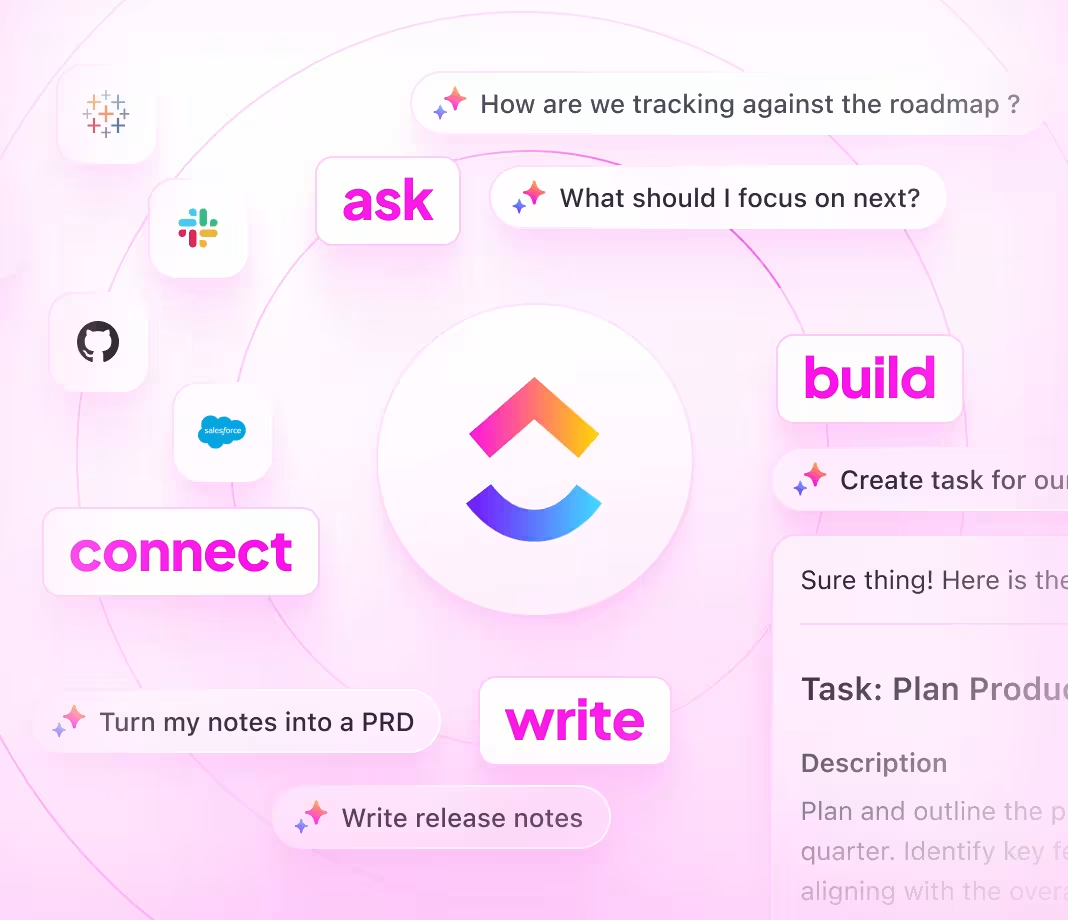
Impact of ClickUp on DevOps Knowledge Management
Unlock DevOps Efficiency with ClickUp Knowledge Base
Maintain structured, accountable documentation that evolves with your DevOps pipelines.
Organize
Structured DevOps Documentation with ClickUp Docs
- Central sections: Pipeline Configurations, Monitoring Dashboards, Automation Scripts, Incident Reports
- Table of contents and nested pages for quick navigation
- Consistent document templates across toolchain components
Why it matters: Teams troubleshoot faster and deploy with confidence.

Accountability
Ownership and Progress Tracking for Documentation
- Transform documentation gaps into actionable tasks
- Assign clear owners, deadlines, and review schedules
- Monitor documentation progress alongside operational work
Why it matters: Your knowledge base remains accurate and aligned with DevOps workflows.

Integration
Sync Documentation with Pipeline Releases and Incidents
- Link docs directly to deployment pipelines and change management
- Connect incident reports, postmortems, and feedback loops
- Tie support tickets and alerts to knowledge content
Why it matters: Documentation reflects the current state of your DevOps environment.

ClickUp Knowledge Base for DevOps Toolchains
Common Questions from DevOps Teams


SOC 2
CERTIFIED

ISO 27001
CERTIFIED

GDPR
COMPLIANT

HIPAA
COMPLIANT