ClickUp Data Visualization Knowledge Hub
Build a Dynamic Knowledge Base for Data Visualization
Create a centralized, searchable resource for dashboards, chart types, best practices, and troubleshooting—empowering your team with the latest insights and standards.
 25,000+ reviews from
Trusted by the best
ClickUp vs Traditional Platforms
Why Choose ClickUp for Your Data Visualization Knowledge Base
Unify knowledge and workflows in a scalable environment.
Traditional methods
- Documentation scattered across disconnected tools
- Manual updates risk outdated or inconsistent content
- Visualization insights isolated from project work
- Multiple versions for different teams causing confusion
- Time-intensive creation and maintenance processes
With ClickUp
- Integrate knowledge with execution (Docs, tasks, comments)
- Turn documentation gaps into actionable tasks
- Link visuals and insights directly to projects and data sources
- Granular access control for collaborators and stakeholders
- AI-powered drafting, summarizing, and troubleshooting accelerate updates
Building Your Knowledge Base
Steps to Develop a Data Visualization Knowledge Base
Follow this 6-step approach to keep your visualization resources organized, current, and actionable.
1. Identify your users and visualization objectives
- Define who accesses the knowledge base (analysts, designers, stakeholders)
- Outline key visualization goals and common use cases
- Assign ownership for maintaining accuracy and relevance
2. Establish a clear, intuitive knowledge base framework
- Create a centralized hub with simple navigation
- Include sections like chart types, data sources, dashboard templates, and troubleshooting
- Maintain update logs and version history for transparency
3. Standardize documentation templates for visualization assets
- Use consistent formats for charts and dashboards
- Document purpose, data inputs, configuration, and interpretation
- Include common pitfalls and troubleshooting guidance
4. Incorporate practical guides and troubleshooting steps
- Develop how-to content for creating and customizing visuals
- Address frequent errors and optimization tips
- Centralize best practices for data integrity and aesthetics
5. Link documentation updates to project milestones and releases
- Connect knowledge base changes with data updates and dashboard deployments
- Treat documentation as part of the delivery process
- Keep content synced with evolving data sources and visualization tools
6. Manage access and continuously improve content
- Implement permission controls for different audiences
- Regularly review feedback and analytics to refine resources
- Schedule periodic audits to prevent knowledge drift
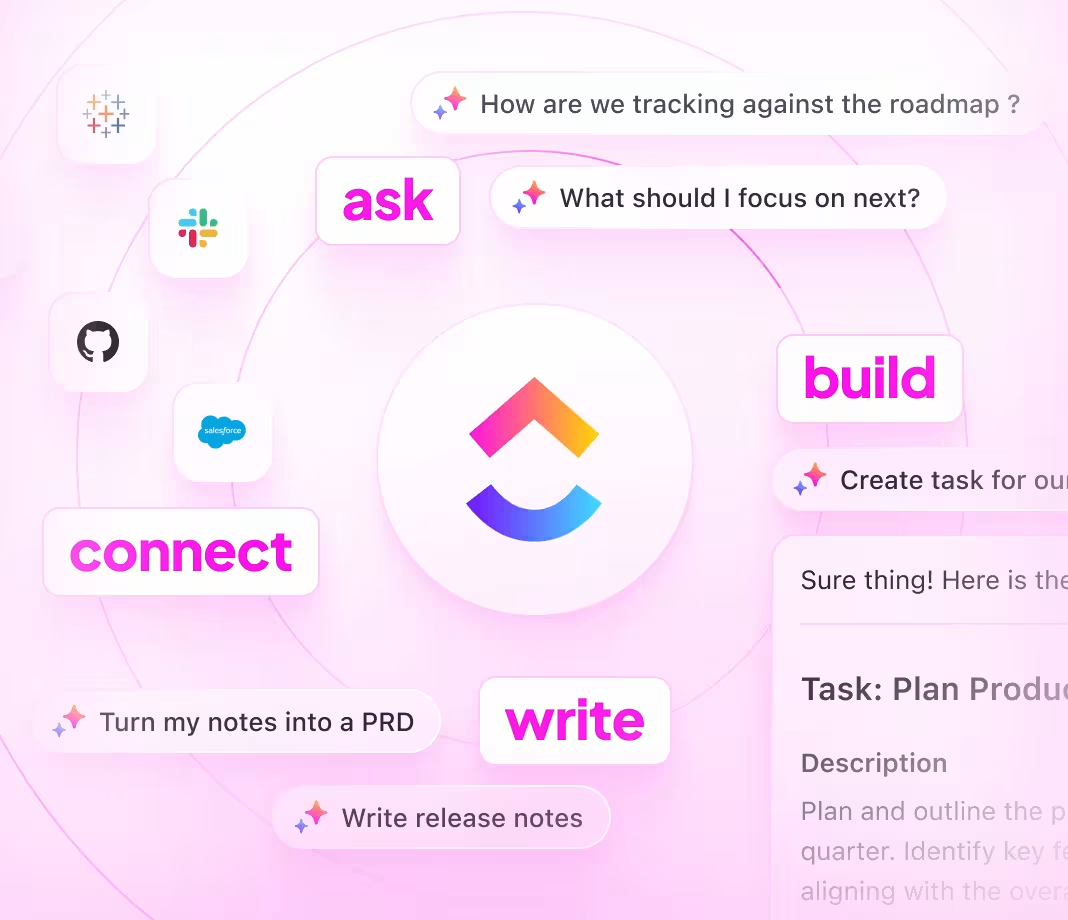
Unlocking Data Visualization Excellence
How ClickUp empowers your data visualization knowledge base
Keep your visualization docs organized, accountable, and aligned with every data update.
Organize
Comprehensive Documentation with ClickUp Docs
- Sections for chart types, data sources, dashboards, and troubleshooting
- Table of contents with nested pages for easy navigation
- Uniform templates for all visualization assets
Why it matters: Teams access consistent, reliable guidance faster, reducing confusion and errors.

Manage
Accountable and Trackable Content Ownership
- Convert documentation gaps into assignable tasks
- Set clear owners, deadlines, and review cycles
- Monitor documentation progress alongside project work
Why it matters: Your knowledge base evolves with your data, maintaining accuracy and trust.

Integrate
Documentation Synced with Data Releases
- Link docs to dashboard launches, data refreshes, and change requests
- Connect issues and feedback directly to knowledge updates
- Ensure documentation reflects the latest data context
Why it matters: Visualization resources stay aligned with real-world data changes.

ClickUp for Data Visualization Knowledge
Common Questions Answered


SOC 2
CERTIFIED

ISO 27001
CERTIFIED

GDPR
COMPLIANT

HIPAA
COMPLIANT