Cycle Counting Procedures Knowledge Base
Construct a Robust Knowledge Base for Cycle Counting Procedures
Centralize all cycle counting protocols, inventory insights, error handling, and audit trails in one searchable hub—so your team always accesses the most current standards.
 25,000+ reviews from
Trusted by the best
ClickUp vs Conventional Systems
Why ClickUp Excels for Cycle Counting Procedure Knowledge Management
Unify documentation and execution in a scalable platform.
Traditional Tools Limitations
- Procedures scattered across multiple platforms, leading to outdated information
- Reliance on manual updates and follow-ups causes delays
- Disconnected from real-time inventory changes and audits
- Permission constraints necessitate duplicate documents
- Entirely manual process slows knowledge upkeep and sharing
Advantages of Using ClickUp
- Integrates procedure docs with tasks, comments, and real-time updates
- Automatically creates action items for missing or outdated info
- Links procedures directly to inventory cycles and audit tasks
- Granular access control for internal teams and external partners
- AI-powered features accelerate drafting, summarizing, and troubleshooting
Building Your Knowledge Base
Steps to Develop a Cycle Counting Procedures Knowledge Base
Follow this 6-step framework to create clear, accessible, and up-to-date cycle counting documentation.
1. Identify Users and Define Knowledge Goals
- Determine stakeholders like warehouse staff, auditors, and managers
- Outline key objectives: accuracy, compliance, and efficiency
- Assign knowledge owners to maintain consistency
2. Design a Clear Knowledge Base Structure
- Organize by procedure types: daily counts, adjustments, and audits
- Include sections for tools, error codes, and escalation paths
- Establish intuitive navigation with tables of contents and subpages
3. Standardize Procedure Templates for Uniformity
- Use consistent formats covering purpose, steps, responsible roles, and safety
- Incorporate checklists, examples, and common pitfalls
- Ensure clarity to reduce errors and training time
4. Integrate Practical Guides and Troubleshooting
- Develop how-to guides for cycle count execution and variance resolution
- Document troubleshooting for discrepancies and system alerts
- Centralize escalation protocols and audit best practices
5. Link Documentation to Inventory Cycles and Updates
- Connect procedure updates with inventory audits, system changes, and incident reviews
- Treat documentation as a living part of operational cycles
- Maintain accuracy as processes evolve
6. Manage Permissions and Maintain Longevity
- Control access for frontline staff, supervisors, and external auditors
- Keep logs of revisions, approvals, and feedback
- Schedule regular reviews to prevent knowledge decay
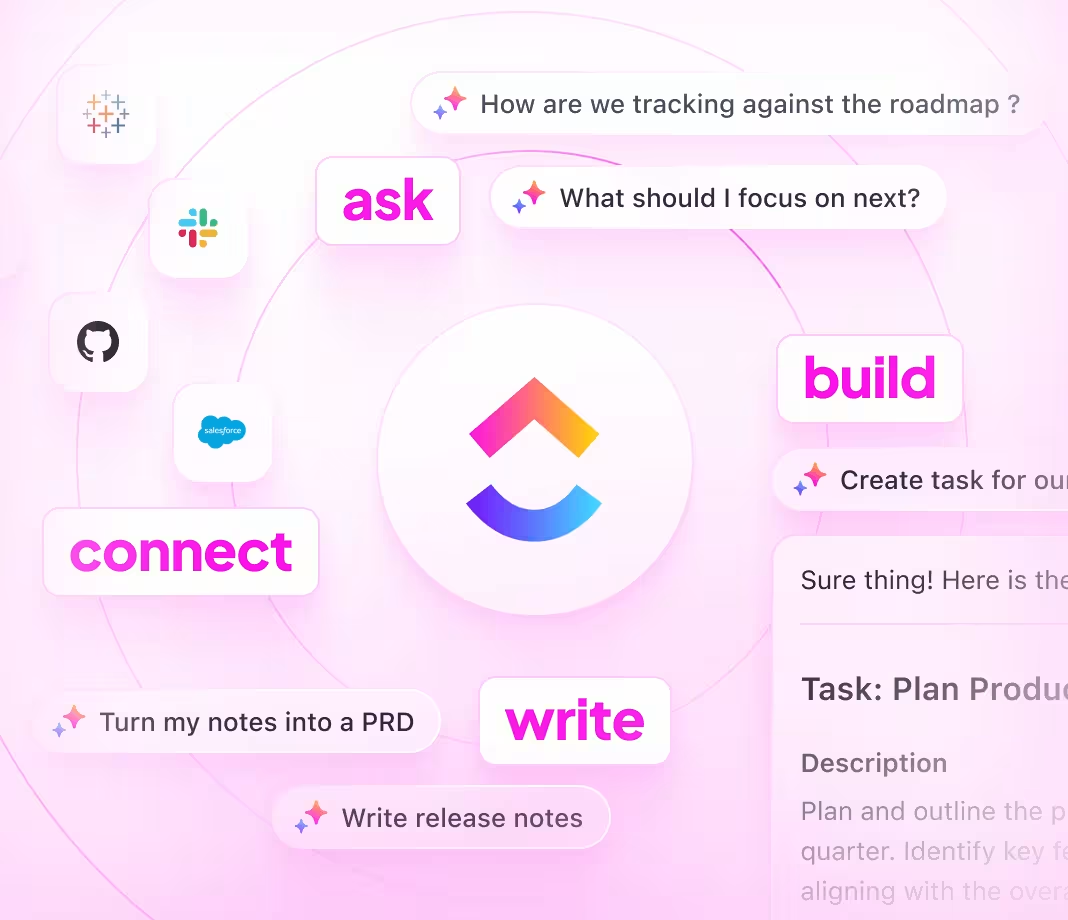
Empower Your Inventory Teams
How ClickUp Supports Your Cycle Counting Knowledge Base
Ensure cycle counting procedures are standardized, assigned, and updated seamlessly with every operational change.
Organize
Structured Cycle Counting Documentation with ClickUp Docs
- Define procedures: count methods, schedules, data entry
- Use tables of contents & nested pages for easy navigation
- Standardize templates for consistency across all procedures
Why it matters: Teams find accurate instructions quickly, reducing errors and downtime.

Manage
Accountability Through Trackable Documentation Ownership
- Convert documentation gaps into actionable tasks
- Assign owners, set deadlines, and schedule review cycles
- Track documentation progress alongside operational tasks
Why it matters: Procedures stay up to date because responsibility is clear and manageable.

Synchronize
Documentation Linked to Inventory Cycles and Audits
- Associate docs with cycle count schedules and audit reports
- Connect incident investigations and process improvements
- Use feedback loops to refine procedures continuously
Why it matters: Documentation evolves with your inventory processes, ensuring relevance and accuracy.

Cycle Counting Knowledge in ClickUp
Common Questions Answered




SOC 2
CERTIFIED

ISO 27001
CERTIFIED

GDPR
COMPLIANT

HIPAA
COMPLIANT