
Cybersecurity Threat Intelligence Hub
Build a Centralized Knowledge Base for Cybersecurity Threats
Create a comprehensive, searchable repository for threat indicators, attack vectors, mitigation strategies, and incident reports—so your security team stays ahead of emerging risks.
 25,000+ reviews from
Trusted by the best
ClickUp vs Traditional Security Tools
Why ClickUp Transforms Cybersecurity Knowledge Management
Unify threat data and response workflows in one dynamic platform.
With traditional tools
- Threat intelligence scattered across disconnected platforms
- Manual updates lead to outdated or incomplete information
- Poor integration between knowledge and incident response
- Limited access controls force duplication and confusion
- Time-consuming documentation slows down security operations
With ClickUp
- Consolidate threat data, investigation tasks, and collaboration in one workspace
- Automate updates and link knowledge to live incidents
- Fine-grained permissions for internal teams and external partners
- Leverage ClickUp Brain, 4.0, and Brain Max for AI-driven insights and summaries
- Accelerate threat analysis and response with integrated tools
Building your cybersecurity knowledge base
How to establish a knowledge base for cybersecurity threats
Follow these 6 essential steps to create a resilient and actionable threat intelligence repository.
1. Identify stakeholders and define intelligence objectives
- Determine teams using the knowledge base: SOC, threat intel, incident response
- Clarify goals: detection, analysis, mitigation, compliance
- Assign ownership to maintain accuracy and relevance
2. Design a clear structure for cybersecurity threat data
- Develop sections for threat types, TTPs, indicators, vulnerabilities, and remediation
- Use nested pages and tags for quick navigation
- Ensure changelogs and update history are easy to access
3. Standardize threat entries for consistent analysis
- Adopt uniform templates covering threat description, tactics, affected assets, and references
- Include MITRE ATT&CK mappings and severity ratings
- Document detection methods and common indicators to reduce investigation time
4. Incorporate real incident reports and response playbooks
- Add detailed case studies and lessons learned
- Embed step-by-step response guides and escalation paths
- Centralize threat hunting procedures and detection rules
5. Keep knowledge base current by linking to live security events
- Connect documentation updates to ongoing incidents and vulnerability disclosures
- Treat knowledge updates as part of daily security operations
- Maintain accuracy as threat landscape evolves
6. Manage access and maintain continuous improvement
- Control permissions for internal teams and trusted partners
- Schedule regular reviews and incorporate feedback
- Use analytics to identify knowledge gaps and optimize content
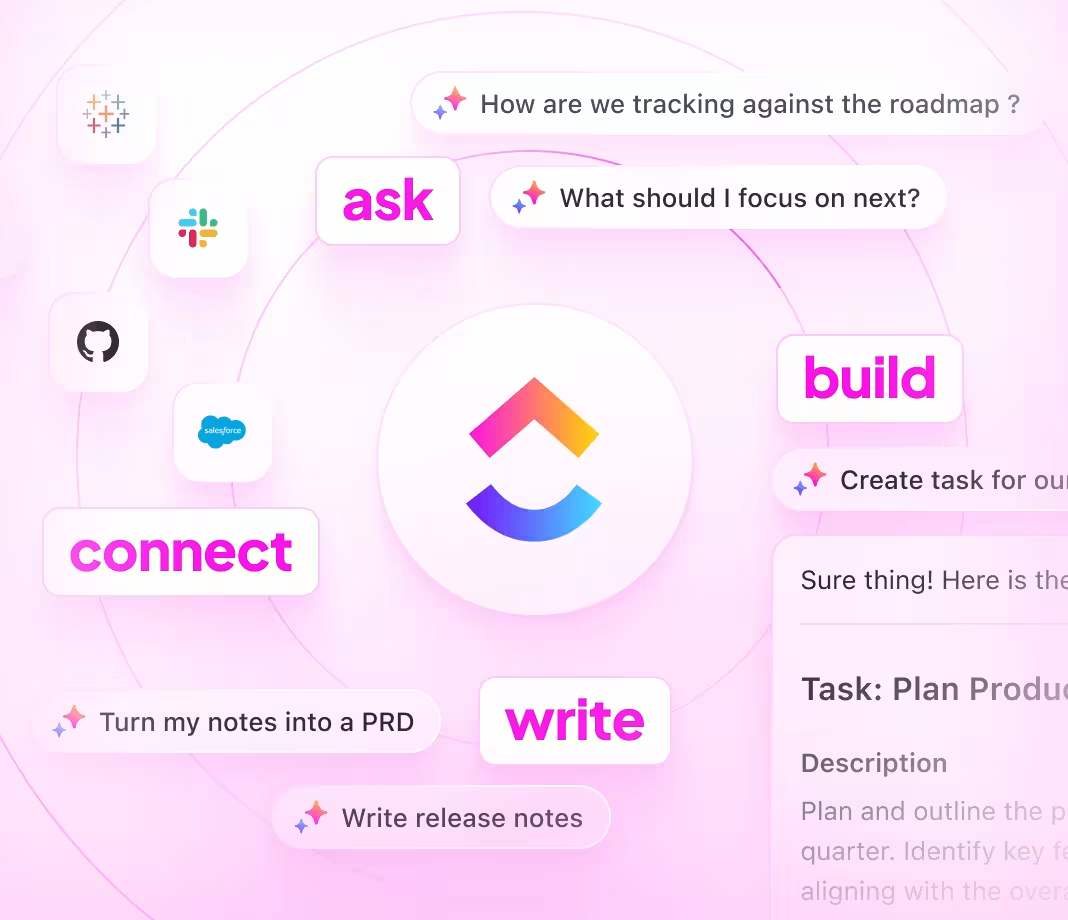
Harness ClickUp's capabilities
How ClickUp supports building your cybersecurity threat knowledge base
Empower your security teams with structured, connected, and AI-enhanced knowledge management.
Organize
Structured threat intelligence with ClickUp Docs
- Categorize by threat actor, campaign, vulnerability, and mitigation
- Use nested pages and linked documents for intuitive navigation
- Standardize entries with templates including MITRE ATT&CK and CVE references
Why it matters: Analysts find critical information quickly, enabling faster incident detection and response.

Assign and track
Clear ownership and update cycles
- Convert intelligence gaps into tasks with due dates and assignees
- Schedule regular content reviews and audits
- Monitor progress within the same platform as security operations
Why it matters: Ensures knowledge stays accurate and actionable, reducing risk of outdated information.

Integrate
Connect documentation with active security workflows
- Link knowledge base entries to incident tickets, threat alerts, and remediation tasks
- Correlate intelligence updates with vulnerability disclosures and security patches
- Use AI features like Brain Max to auto-summarize incidents and generate threat briefs
Why it matters: Keeps your knowledge base dynamic and aligned with evolving threats and responses.

Cybersecurity Knowledge Base with ClickUp
Common questions about building cybersecurity threat knowledge bases


SOC 2
CERTIFIED

ISO 27001
CERTIFIED

GDPR
COMPLIANT

HIPAA
COMPLIANT