Establish a Comprehensive Safety Knowledge Base for Construction Sites
Create a centralized, searchable resource covering safety protocols, hazard identification, equipment guidelines, incident reporting, and compliance standards—ensuring your team stays informed and protected on every project.
 25,000+ reviews from
Why ClickUp Transforms Construction Safety Knowledge Management
Centralize your safety information and streamline compliance across teams.
Using traditional tools
- Safety data scattered across multiple platforms, leading to outdated or lost information
- Manual updates increase risk of missing critical protocol changes
- Poor integration between safety knowledge and daily site tasks
- Access controls often lead to redundant copies and version confusion
- Time-consuming manual processes slow safety communication
Using ClickUp
- Integrate safety documentation directly with site workflows (Docs + tasks + comments)
- Automatically assign follow-up actions from identified safety gaps
- Link safety protocols to daily operations and incident reports
- Granular permission settings ensure appropriate access without duplication
- AI-driven tools accelerate content creation, summarization, and incident analysis
How to develop a construction site safety knowledge base with ClickUp
Follow this 6-step approach to keep safety information organized, accessible, and current.
1. Identify your audience and safety objectives
- Define who needs access: site managers, workers, contractors, auditors
- Outline key safety goals: hazard awareness, compliance, incident prevention
- Assign responsibility for maintaining safety content
2. Design a clear knowledge base structure
- Create a centralized hub with intuitive navigation for quick lookup
- Include sections like PPE guidelines, hazard identification, emergency protocols, and equipment manuals
- Make incident logs and updates easy to access
3. Standardize safety procedure documentation
- Use uniform templates for protocols covering purpose, steps, responsible parties, and risk mitigation
- Document emergency response plans and equipment handling consistently
- Address common hazards and preventive measures to reduce incidents
4. Incorporate practical guides and troubleshooting tips
- Develop how-to resources for safety equipment use and site-specific hazards
- Provide step-by-step instructions for incident reporting and corrective actions
- Consolidate best practices for hazard mitigation and compliance
5. Keep the safety knowledge base updated with real-time inputs
- Link updates to site inspections, incident reports, and regulatory changes
- Treat documentation as a living asset integrated with daily site operations
- Use AI tools to summarize updates and highlight critical changes
6. Manage access and sustain the knowledge base over time
- Set permissions for internal teams, contractors, and regulatory bodies
- Regularly review and update safety protocols based on feedback and audits
- Use ClickUp Brain and Brain Max to analyze safety trends and optimize content
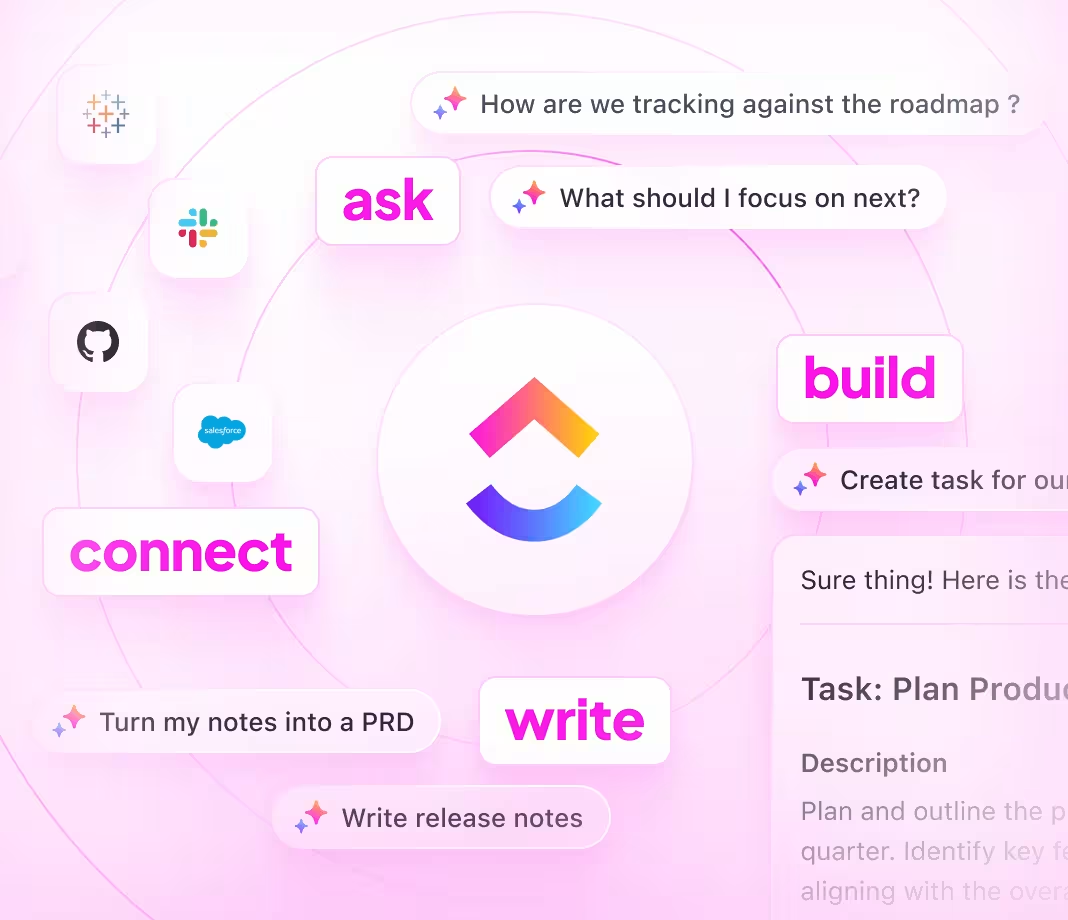
How ClickUp empowers construction safety knowledge management
Maintain structured, accountable, and dynamically updated safety information aligned with site operations and regulatory requirements.
Structured Safety Documentation with ClickUp Docs
- Sections for PPE, hazard assessments, emergency procedures, equipment operation
- Table of contents and subpages for streamlined navigation
- Consistent formats for safety protocols and checklists
Why it matters: Your team accesses clear, reliable safety information quickly, reducing risk and downtime.

Trackable Ownership of Safety Content
- Convert knowledge gaps into assigned tasks
- Set owners, due dates, and review cycles for safety documents
- Monitor documentation progress alongside site activities
Why it matters: Accountability ensures your safety knowledge base remains accurate and compliant.

Safety Documentation Connected to Site Operations
- Link safety docs to inspections, incident reports, and corrective actions
- Connect hazards and incidents to documentation updates
- Use feedback loops to refine protocols continuously
Why it matters: Your safety knowledge base evolves with site conditions and regulatory changes.

Common Questions About Building a Safety Knowledge Base




