Build a Centralized Knowledge Base for Audit Evidence Management
Create a unified, searchable hub for audit procedures, evidence logs, compliance standards, findings, and review notes—ensuring your audit team accesses the most current and reliable information.
 25,000+ reviews from
Why ClickUp Transforms Audit Evidence Repositories
Unify your audit knowledge and workflows in one scalable platform.
Using Conventional Tools
- Evidence and documentation scattered across emails, spreadsheets, and folders
- Manual updates cause version conflicts and outdated records
- Limited visibility into audit progress and evidence status
- Access controls lead to duplicated documents and confusion
- Time-consuming to maintain and synchronize audit materials
With ClickUp
- Consolidate evidence, notes, and tasks in one integrated workspace
- Automate updates and link documentation to audit workflows
- Assign ownership and track review cycles effortlessly
- Granular permissions for internal teams, external auditors, and stakeholders
- Leverage AI-powered Brain and Brain Max for smarter content management and insights
How to Create a Knowledge Base for Audit Evidence Repository
Follow this 6-step approach to establish a structured, compliant, and accessible audit knowledge base.
1. Define audit stakeholders and repository objectives
- Identify internal auditors, external reviewers, and compliance officers
- Outline documentation needs across audit phases
- Assign responsibility for repository upkeep and governance
2. Develop a standardized repository framework
- Organize sections by audit types, evidence categories, and compliance standards
- Include protocols, checklists, findings, and remediation plans
- Ensure intuitive navigation with clear indexing
3. Implement consistent evidence documentation templates
- Use uniform formats for evidence logs, test results, and observations
- Capture metadata: dates, responsible parties, audit stages, and statuses
- Incorporate fields for references to relevant policies and regulations
4. Integrate practical audit guides and troubleshooting notes
- Provide how-to guides for evidence collection and validation
- Document common audit challenges and resolution steps
- Centralize FAQs and best practices for audit teams
5. Synchronize repository updates with audit cycles and findings
- Link documentation changes to audit milestones, issue tracking, and corrective actions
- Treat repository maintenance as an ongoing part of audit management
- Preserve audit trail integrity with version control
6. Control access and promote continuous improvement
- Set permissions for auditors, management, and external parties
- Schedule regular reviews and feedback loops
- Monitor repository usage and update based on evolving regulations
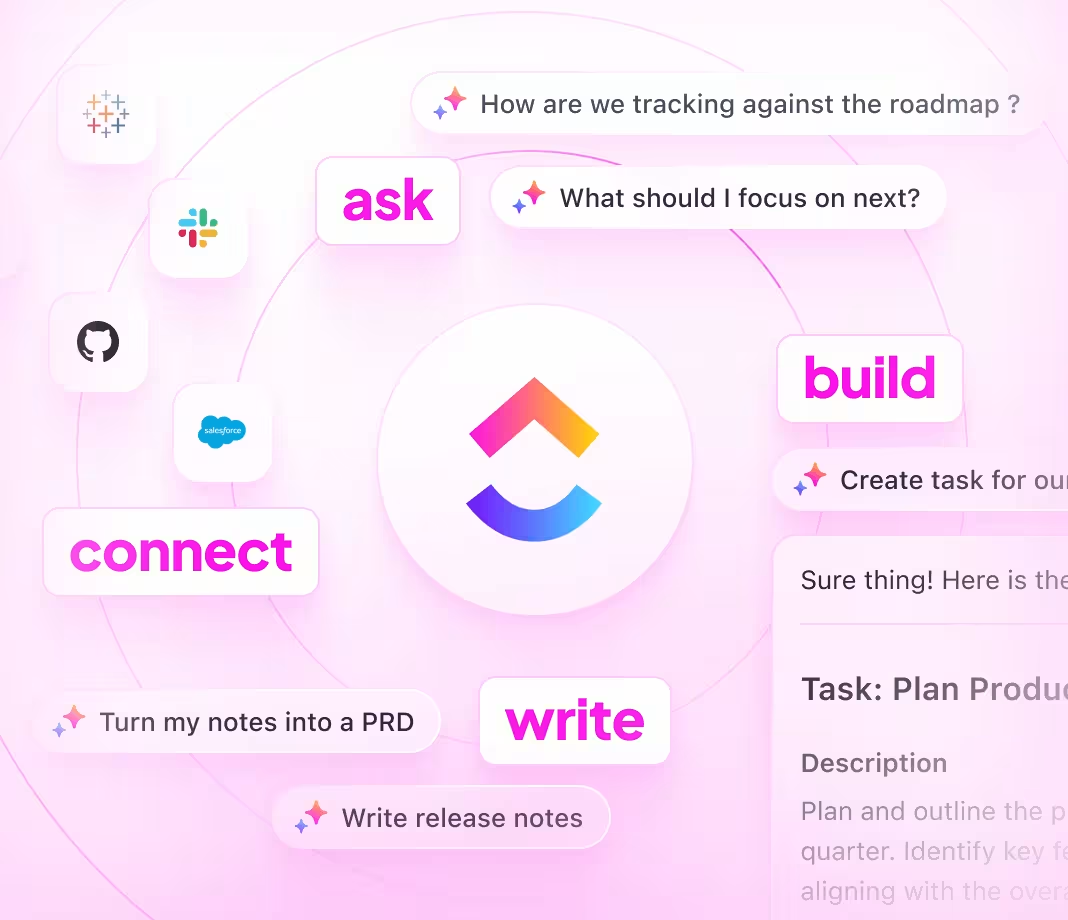
Unlock the Power of ClickUp for Audit Knowledge Management
Maintain a comprehensive audit evidence repository that evolves with your compliance requirements and team needs.
Structured Audit Documentation with ClickUp Docs
- Categorize by audit phase: Planning, Execution, Reporting, Follow-up
- Use nested pages and tables of contents for straightforward navigation
- Apply consistent templates for evidence and findings
Why it matters: Auditors locate critical information quickly, reducing delays and errors.

Accountability Through Trackable Documentation Ownership
- Convert knowledge gaps into actionable tasks
- Assign owners, deadlines, and review cycles
- Monitor documentation progress alongside audit workflows
Why it matters: Keeps your repository current and compliant with established responsibilities.

Audit Repository Synced with Findings and Compliance Updates
- Link documents to audit issues, remediation tasks, and regulatory changes
- Connect evidence updates to audit reports and management responses
- Collate feedback from reviewers and auditors directly within ClickUp
Why it matters: Guarantees your knowledge base reflects the latest audit realities and regulatory expectations.

Common Questions About Managing Audit Repositories with ClickUp




