
Build a Comprehensive Knowledge Base for Application Security Reviews
Create a centralized, searchable repository for security policies, threat models, vulnerability assessments, remediation guides, and audit trails—so your security team always accesses the latest insights.
 25,000+ reviews from
Why ClickUp Excels for Application Security Knowledge Management
Consolidate your security knowledge and workflows in one adaptable platform.
Traditional approaches
- Security knowledge scattered across disconnected tools and documents
- Updates depend on manual follow-ups and memory
- Security reviews not linked to development cycles
- Access permissions often lead to duplicated content
- Entirely manual processes slow down knowledge maintenance
With ClickUp
- Integrates knowledge and task execution (Docs, tasks, comments)
- Convert review findings into actionable tasks
- Link security documentation to development releases and incidents
- Granular access controls for internal and external stakeholders
- AI-powered drafting, summarization, and troubleshooting accelerate updates
How to Build an Application Security Reviews Knowledge Base
Follow this 6-step framework to ensure your security knowledge is structured, current, and actionable.
1. Identify stakeholders and define security review objectives
- Determine who relies on the knowledge base (security analysts, developers, auditors)
- Outline key review processes and compliance requirements
- Assign ownership to maintain content integrity
2. Design a clear knowledge base structure for security reviews
- Create a centralized hub with intuitive navigation
- Include sections like policies, threat models, vulnerability catalogs, remediation workflows, and audit logs
- Maintain an accessible changelog for updates
3. Standardize documentation templates for consistency
- Use uniform formats for risk assessments, vulnerability reports, and security checklists
- Document common vulnerabilities, impact, and mitigation strategies
- Ensure clarity to reduce repeated security queries
4. Integrate practical guides and troubleshooting content
- Develop step-by-step remediation instructions
- Document incident response protocols and escalation paths
- Centralize best practices for secure coding and testing
5. Connect documentation updates to development cycles
- Link knowledge base edits to code releases, security patches, and audit findings
- Treat documentation as an integral part of security workflows
- Keep content aligned with evolving threats and standards
6. Manage access and continuously review content
- Set permissions for internal teams, partners, and auditors
- Regularly review and update policies and procedures
- Solicit feedback to ensure relevance and accuracy
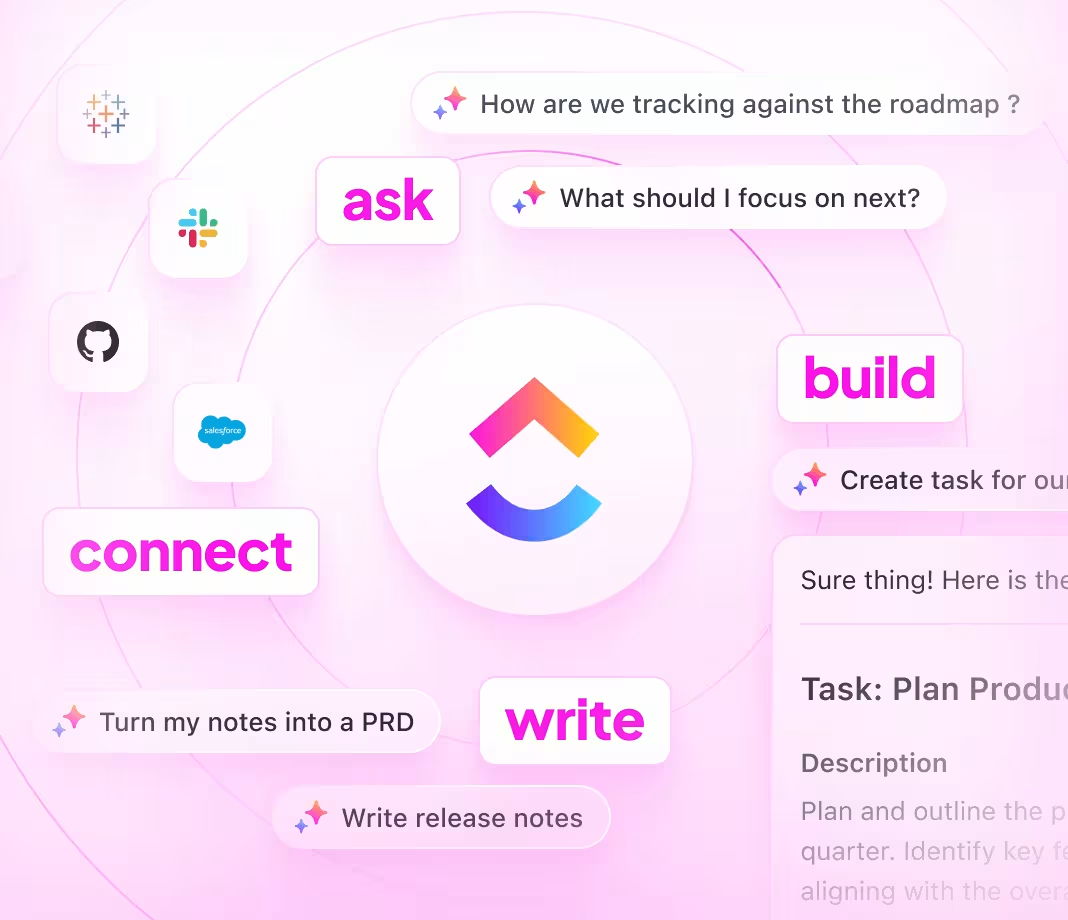
Harness ClickUp to build your AppSec knowledge base
Ensure your application security reviews are structured, accountable, and seamlessly integrated with your development process.
Structured Security Documentation with ClickUp Docs
- Policies, Threat Models, Vulnerability Catalogs, Remediation Guides, Audit Logs
- Nested pages and clear table of contents for easy navigation
- Consistent templates for all security review documents
Why it matters: Quickly locate critical security information and reduce knowledge gaps.

Clear Ownership and Accountability
- Convert findings and documentation gaps into assigned tasks
- Set owners, deadlines, and review cycles for all documents
- Manage security knowledge work alongside development tasks
Why it matters: Keeps your security knowledge current and responsibilities clear.

Documentation Tied to Development and Security Events
- Link documents to code releases, vulnerability fixes, and incident reports
- Connect audit findings and compliance checks
- Incorporate feedback from security incidents and support cases
Why it matters: Ensures your knowledge base evolves with your application and threat landscape.

Common Questions About Building Security Review Knowledge Bases




