Analytics QA Knowledge Base with ClickUp
Build a Robust Knowledge Base for Analytics QA Processes
Create a centralized, searchable hub for test plans, validation criteria, data sources, error logs, and troubleshooting—so your analytics QA team always accesses the most reliable insights.
 25,000+ reviews from
Trusted by the best
ClickUp vs Traditional Tools
Why ClickUp Transforms Analytics QA Knowledge Management
Centralize knowledge and QA workflows in one scalable platform.
With legacy QA tools
- QA knowledge scattered across spreadsheets and emails, causing inconsistencies
- Manual updates lead to outdated test cases and validation rules
- Lack of integration between documentation and testing workflows
- Rigid permissions causing duplicate or inaccessible information
- Time-consuming manual tracking and reporting
With ClickUp
- Unified Docs and task management combine knowledge with execution
- AI-powered drafts and summaries accelerate documentation upkeep
- Link QA docs directly to test runs, issues, and analytics releases
- Granular permissions for team, stakeholders, and external partners
- Automated workflows reduce manual effort and improve accuracy
Building your analytics QA knowledge base
How to create a knowledge base for analytics QA processes?
Follow these 6 steps to keep your QA knowledge clear, accurate, and actionable.
1. Identify QA stakeholders and define documentation objectives
- Determine who uses the QA knowledge base (analysts, QA engineers, data stewards)
- Outline goals: reduce data errors, standardize validation, speed issue resolution
- Assign documentation ownership and review responsibilities
2. Design a clear structure tailored for analytics QA
- Create sections for test plans, validation rules, data sources, error logs, and resolutions
- Use intuitive navigation with tables of contents and subpages
- Ensure changelogs and test result histories are easy to access
3. Standardize test case and validation documentation
- Use consistent templates covering test objectives, data inputs, expected outcomes
- Document error thresholds, edge cases, and data quality metrics
- Facilitate repeatable and auditable QA processes
4. Incorporate practical guides and troubleshooting protocols
- Develop step-by-step guides for common validation scenarios
- Include root cause analysis and issue escalation paths
- Centralize best practices for data anomaly detection
5. Keep your QA knowledge base synchronized with analytics releases
- Link documentation updates to data pipeline changes, release notes, and incidents
- Integrate feedback loops from QA findings back into documentation
- Treat knowledge updates as part of the release cycle, not afterthoughts
6. Manage access and sustain ongoing knowledge quality
- Set permissions for internal QA teams, data engineers, and external auditors
- Maintain audit trails of changes and review cycles
- Encourage continuous feedback and regular knowledge audits
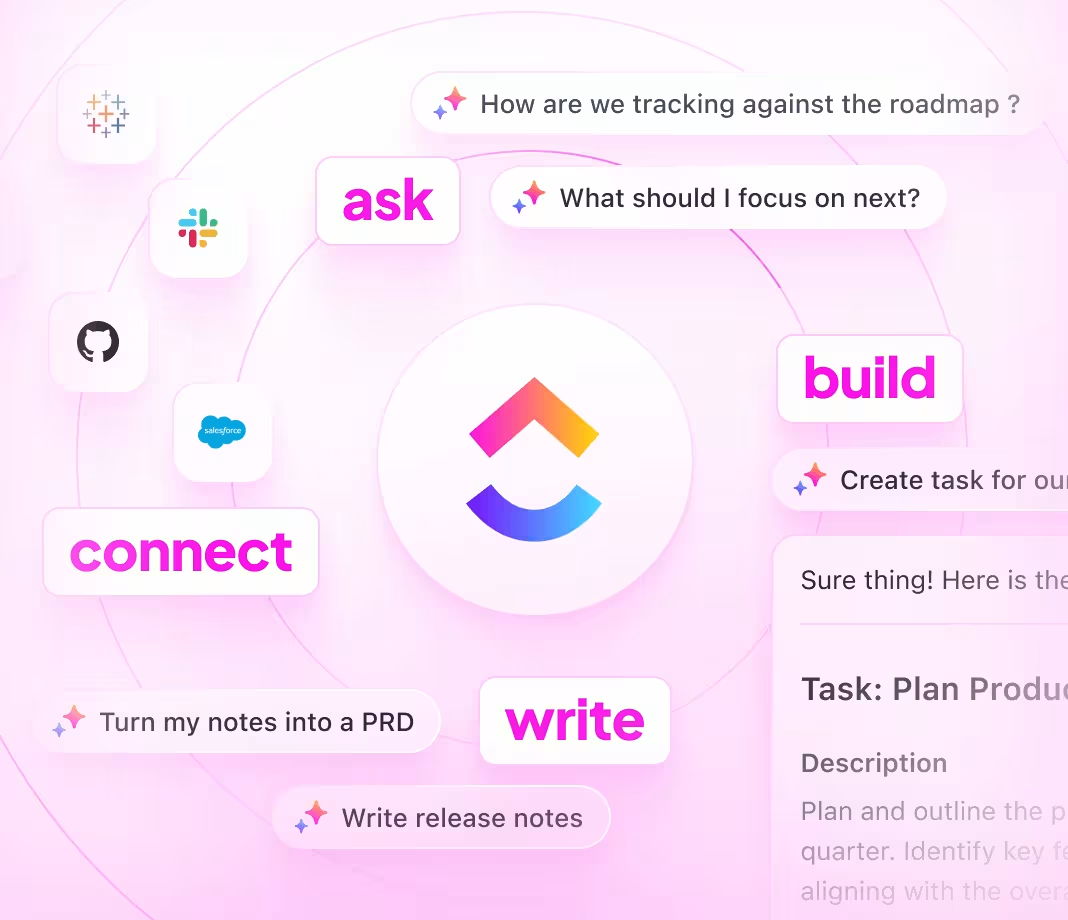
Leveraging ClickUp’s capabilities
Unlock the power of ClickUp for analytics QA knowledge
Harness ClickUp Docs, Brain, and Brain Max to create a living knowledge base that adapts as your analytics QA processes grow.
Organize
Structured QA documentation with ClickUp Docs
- Sections for test plans, validation criteria, data lineage, and error handling
- Clear tables of contents and nested subpages
- Consistent formatting templates for test cases and troubleshooting guides
Why it matters: Your team finds critical insights quickly, reducing miscommunication and rework.

Assign & Track
Ownership and progress tracking made simple
- Convert documentation gaps into actionable tasks
- Assign owners, set deadlines, and automate review reminders
- Monitor documentation status alongside QA workflows
Why it matters: Accountability ensures your QA knowledge stays current and reliable.

Integrate
Connected documentation aligned with analytics releases
- Link QA docs to analytics pipeline updates, bug reports, and incident reviews
- Connect feedback and support tickets directly to knowledge updates
- Use AI to summarize changes and generate update drafts
Why it matters: Your knowledge base evolves in sync with your data infrastructure.

ClickUp for Analytics QA Knowledge
Your Analytics QA Knowledge Base Questions Answered




SOC 2
CERTIFIED

ISO 27001
CERTIFIED

GDPR
COMPLIANT

HIPAA
COMPLIANT