Streamline Your Alert Fatigue Reduction Rules Knowledge Base
Create a centralized, searchable repository for alert fatigue guidelines, rule definitions, incident responses, and optimization strategies—ensuring your team acts on the most current and precise information.
 25,000+ reviews from
Why ClickUp Excels for Building Alert Fatigue Reduction Knowledge Bases
Consolidate rules and responses in one adaptable workspace.
Traditional Methods
- Alert rules and knowledge stored in fragmented systems causing outdated info
- Manual updates increase risk of missed critical alerts
- Disconnected from real-time incident workflows
- Limited access controls leading to inconsistent information sharing
- Time-consuming rule creation and maintenance processes
Using ClickUp
- Integrate alert rules directly with task management and incident tracking
- Assign, update, and automate alerts with AI-driven insights
- Connect knowledge base to live alerts and operational workflows
- Granular permissions for tailored access across teams and partners
- Leverage ClickUp Brain and Brain Max for intelligent content generation and rule optimization
How to Develop an Effective Alert Fatigue Reduction Knowledge Base
Follow this 6-step framework to organize, maintain, and enhance your alert reduction rules.
1. Identify your stakeholders and knowledge goals
- Define teams impacted by alert fatigue
- Clarify objectives for alert reduction and response efficiency
- Assign content owners for ongoing upkeep
2. Design a clear, navigable knowledge base architecture
- Structure sections for alert types, rule criteria, escalation paths, and resolution tactics
- Include segments for monitoring thresholds, suppression policies, and incident retrospectives
- Ensure intuitive navigation for quick rule retrieval
3. Standardize alert fatigue rule documentation
- Use consistent templates detailing rule triggers, thresholds, and exceptions
- Document context and rationale to aid understanding
- Incorporate real-world examples to clarify application
4. Develop practical guides and troubleshooting resources
- Create step-by-step procedures for tuning alerts
- Provide checklists for evaluating rule effectiveness
- Centralize troubleshooting tips to reduce alert noise
5. Keep knowledge base synchronized with operational changes
- Link rule updates to incident reviews, monitoring changes, and platform upgrades
- Treat knowledge updates as integral to alert lifecycle management
- Utilize ClickUp Brain to automate change tracking and content suggestions
6. Manage access and sustain content quality over time
- Set permissions for internal analysts, external partners, and stakeholders
- Schedule periodic reviews and audits
- Gather feedback to continuously refine alert fatigue strategies
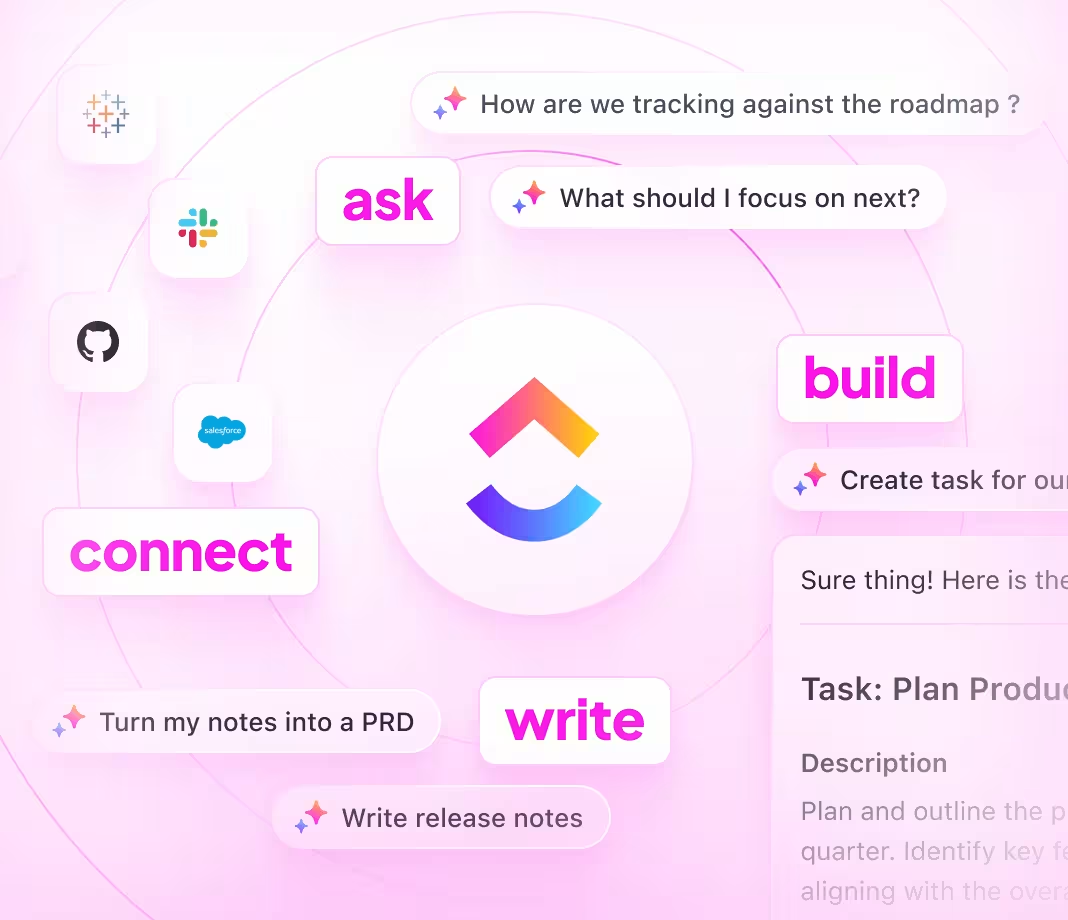
Unlock the power of ClickUp for alert fatigue knowledge management
Ensure your alert reduction rules are structured, accountable, and integrated with your incident workflows.
Structured Alert Fatigue Rules with ClickUp Docs
- Categorize by alert source, severity, and suppression logic
- Use table of contents and nested pages for efficient navigation
- Standardize rule templates for clarity
Why it matters: Your team finds accurate alert guidance quickly, reducing noise and response delays.

Clear Ownership and Tracking for Rule Updates
- Convert knowledge gaps into actionable tasks
- Assign rule owners, due dates, and set recurring reviews
- Manage documentation progress alongside operational tasks
Why it matters: Accountability ensures your alert rules remain effective and current.

Connect Documentation with Alert Management and Incidents
- Link rule changes to alert system updates and incident postmortems
- Tie feedback from on-call teams directly to knowledge base improvements
- Utilize ClickUp 4.0 features for seamless synchronization
Why it matters: Rules evolve alongside your monitoring environment, preventing alert fatigue escalation.

Frequently Asked Questions






