Zoological Conservation Knowledge Hub
Build a Dynamic Knowledge Base for Zoological Conservation
Create a centralized, searchable resource for species data, habitat studies, conservation strategies, and ongoing research—empowering teams to protect wildlife effectively.
 25,000+ reviews from
Trusted by the best
ClickUp vs Traditional Conservation Tools
Why ClickUp Transforms Zoological Conservation Knowledge Management
Develop one evolving platform that grows with your conservation efforts.
Using traditional methods
- Data scattered across spreadsheets, emails, and notes, risking loss and inconsistency
- Manual updates lead to outdated or conflicting information
- Limited collaboration between field teams, researchers, and stakeholders
- Access controls often complicate sharing sensitive data
- Time-consuming documentation with no automation support
With ClickUp and its AI capabilities
- Centralizes knowledge and action with integrated Docs, tasks, and discussions
- Automatically generates summaries and drafts using ClickUp Brain and Brain Max
- Connects conservation data to projects, incidents, and field observations
- Granular permissions ensure secure, role-based access
- Streamlines updates and collaboration with AI-assisted workflows
Steps to build your conservation knowledge base
How to create a zoological conservation knowledge base with ClickUp
Follow these 6 critical steps to keep your conservation data organized, current, and accessible.
1. Identify stakeholders and conservation objectives
- Determine who uses the knowledge base: researchers, field teams, policy makers
- Define goals such as species monitoring, habitat restoration, or policy advocacy
- Assign responsible owners for each knowledge area
2. Design a clear, navigable structure
- Organize content by species, habitats, threats, and conservation actions
- Include sections for research data, field notes, and policy documents
- Use subpages and tables of contents for easy navigation
3. Standardize data entry and documentation formats
- Create templates for species profiles, observation logs, and impact assessments
- Ensure consistent use of taxonomy, geographic data, and terminology
- Facilitate reliable cross-referencing and data integration
4. Incorporate practical guides and troubleshooting protocols
- Develop how-to documentation for fieldwork, data collection, and emergency responses
- Add troubleshooting FAQs for common challenges like equipment failure or data gaps
- Centralize protocols for animal handling, tagging, and rehabilitation
5. Link knowledge updates to conservation events and findings
- Connect documentation to project milestones, incident reports, and research publications
- Treat updates as integral to project workflows, not afterthoughts
- Keep the knowledge base reflective of real-time conservation status
6. Manage access and continuously maintain the knowledge base
- Set permissions for internal teams, partners, and public outreach materials
- Regularly review and update content based on feedback and new data
- Use AI tools like ClickUp Brain Max to automate summaries and highlight key changes
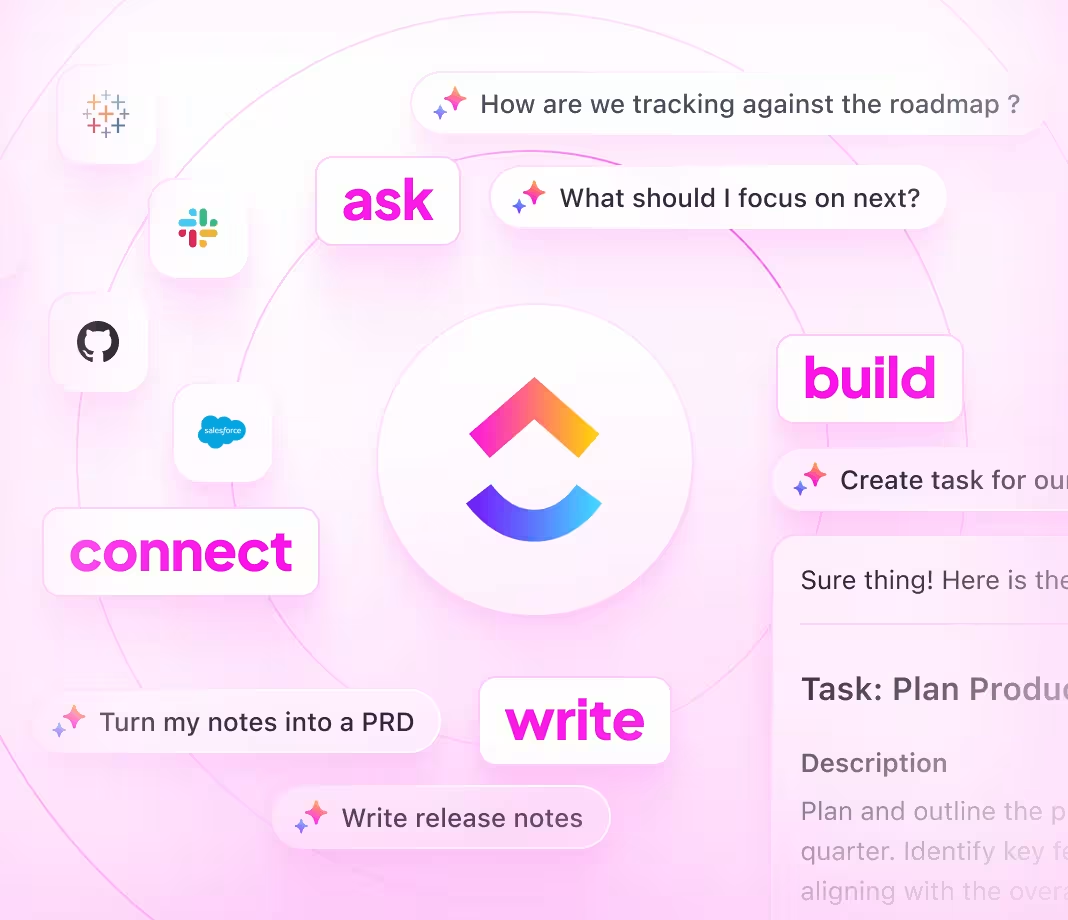
Why Choose ClickUp for Conservation
Unlock the power of ClickUp for zoological knowledge management
Keep your data structured, accountable, and synchronized with every field update and research breakthrough.
Organize
Structured Conservation Data with ClickUp Docs
- Species profiles, habitat reports, threat assessments, recovery plans
- Intuitive table of contents and nested pages for easy reference
- Standardized templates to ensure consistent data capture
Why it matters: Faster insights and clearer communication among conservationists and partners.

Accountability
Ownership and Trackability for Conservation Knowledge
- Convert knowledge gaps into actionable tasks
- Assign clear owners, deadlines, and review cycles
- Monitor documentation progress alongside conservation activities
Why it matters: Knowledge stays current and reliable, supporting effective decision-making.

Integration
Connect Documentation to Field Operations and Research
- Link docs to project phases, incident reports, and research findings
- Include feedback loops from field teams and stakeholders
- Tie AI-generated summaries to evolving conservation data
Why it matters: Documentation reflects real-time conditions, enabling agile responses.

Zoological Conservation Knowledge Base with ClickUp
Frequently Asked Questions




SOC 2
CERTIFIED

ISO 27001
CERTIFIED

GDPR
COMPLIANT

HIPAA
COMPLIANT