
ClickUp Zero-Day Exploit Knowledge Base
Build a Robust Knowledge Base for Zero-Day Exploits
Centralize intelligence on zero-day vulnerabilities, mitigation strategies, exploit details, and patch statuses—so your security team always has the most current threat insights at hand.
 25,000+ reviews from
Trusted by the best
ClickUp vs Traditional Security Tools
Why ClickUp Excels for Zero-Day Exploit Knowledge Management
Create a unified platform that evolves with your cybersecurity needs.
With traditional tools
- Intelligence scattered across multiple platforms causing delays
- Manual updates lead to outdated or inconsistent vulnerability data
- Limited integration with incident response and threat hunting workflows
- Rigid permission models complicate collaboration among teams
- Documentation maintenance is time-consuming and prone to errors
With ClickUp
- Consolidate threat data, tasks, and collaboration in one workspace
- Instantly convert intelligence gaps into actionable tasks
- Link exploit data directly to incidents, patches, and investigations
- Flexible access controls for internal teams, partners, and stakeholders
- AI-powered drafting, summarization, and threat analysis speed response
Steps to build your knowledge base
How to create a zero-day exploit knowledge base with ClickUp
Follow this 6-step approach to keep your threat intelligence structured, actionable, and current.
1. Identify your stakeholders and intelligence objectives
- Define who needs access: analysts, incident responders, management
- Clarify goals: detection, mitigation, documentation, reporting
- Assign clear ownership to maintain data quality and relevance
2. Develop a clear, navigable knowledge base framework
- Organize by exploit category, severity, affected assets, and status
- Include sections for initial discovery, analysis, mitigation, and follow-up
- Ensure easy navigation with tables of contents and subpages
3. Standardize exploit documentation for consistency
- Use uniform templates covering exploit description, indicators, impact, and remediation
- Document detection methods and CVE references
- Include real-world attack scenarios to aid understanding
4. Integrate investigative guides and response protocols
- Provide step-by-step incident handling procedures
- Include troubleshooting for detection and containment challenges
- Centralize communication templates and escalation paths
5. Link knowledge base updates to threat intelligence cycles
- Connect documentation to threat feeds, patch releases, and security alerts
- Treat updates as part of operational workflows, not afterthoughts
- Maintain accuracy as exploits evolve or new variants emerge
6. Manage permissions and continuously review content
- Control access for internal teams, external partners, and auditors
- Schedule regular reviews and incorporate user feedback
- Archive deprecated exploits and update mitigation strategies
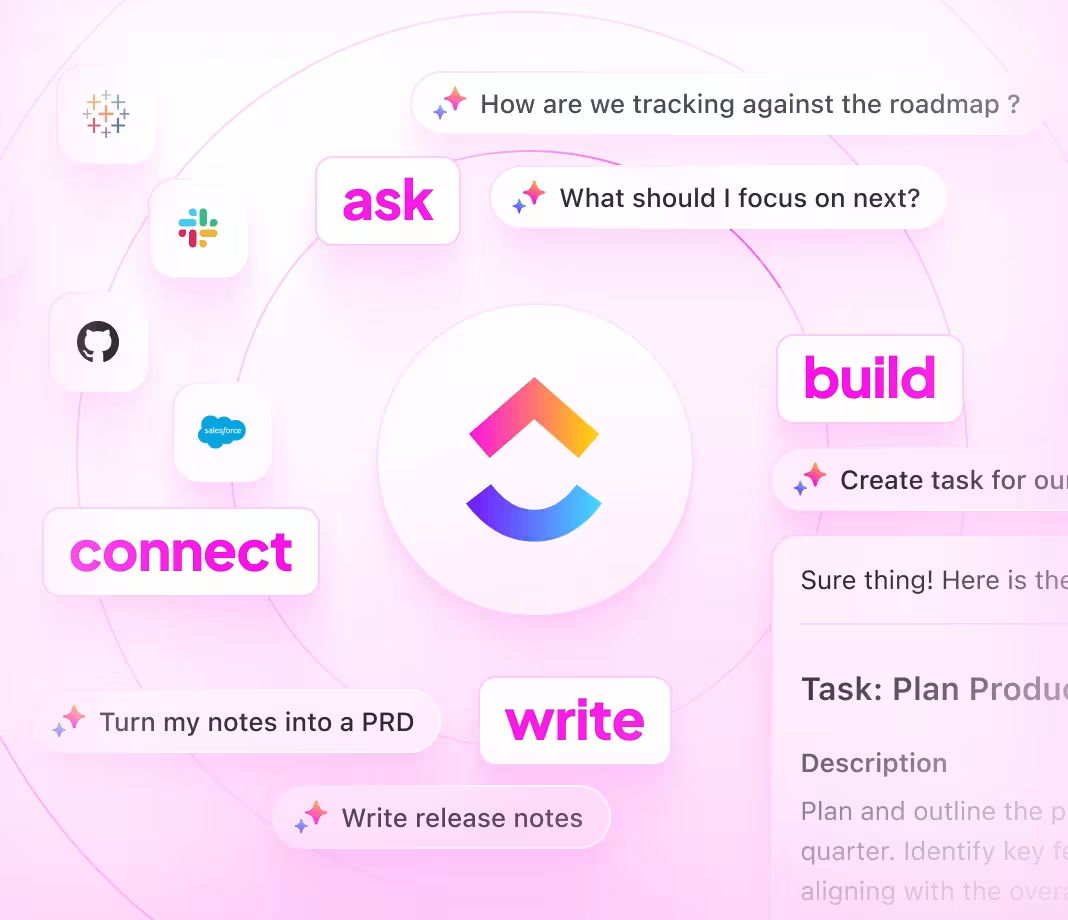
Harness the power of ClickUp Knowledge Base
How ClickUp empowers your zero-day exploit knowledge management
Maintain structured intelligence, clear ownership, and real-time alignment with security operations.
Organize
Structured zero-day exploit intelligence with ClickUp Docs
- Categorize exploits by type, severity, affected systems, and lifecycle stage
- Use comprehensive tables of contents and nested pages for quick reference
- Apply consistent documentation templates for clarity
Why it matters: Analysts find critical information faster, reducing time to response.

Accountability
Clear ownership with actionable tracking
- Convert intelligence gaps into assigned tasks with due dates
- Define owners for documentation sections and reviews
- Monitor updates and progress alongside incident workflows
Why it matters: Knowledge stays current because responsibility is visible and managed.

Synchronize
Documentation linked directly to threat response events
- Associate exploit details with incident tickets, patch deployments, and alerts
- Track feedback from investigations and postmortems
- Ensure documentation evolves with real-world threat dynamics
Why it matters: Intelligence remains relevant and actionable as threats change.

Zero-day exploit knowledge base FAQs
Common Questions About Managing Zero-Day Exploit Intelligence


SOC 2
CERTIFIED

ISO 27001
CERTIFIED

GDPR
COMPLIANT

HIPAA
COMPLIANT