
Workplace Incident Reporting Knowledge Base
Build a Centralized Knowledge Base for Incident Reporting
Create a unified, searchable hub for incident reports, investigation procedures, resolution steps, and compliance standards—empowering your team with clear and reliable information.
 25,000+ reviews from
Trusted by the best
ClickUp vs Traditional Incident Tools
Why ClickUp Excels for Incident Reporting Knowledge Management
Consolidate knowledge and workflows in one adaptable platform.
Traditional Incident Management
- Incident data scattered across multiple systems, causing delays
- Manual updates risk outdated or inconsistent information
- Limited connection between reports and corrective actions
- Complex permissions lead to duplicated or inaccessible records
- Lengthy manual processes slow down response and learning
Using ClickUp for Incident Knowledge Base
- Integrate incident documentation with task management and communication
- Automate follow-ups by converting incident insights into actionable tasks
- Link reports directly to root causes, resolutions, and compliance checks
- Granular access controls for sensitive internal and external data
- AI-driven assistance accelerates documentation and analysis
Building Your Incident Knowledge Base
How to Create a Workplace Incident Reporting Knowledge Base
Follow this 6-step framework to maintain accurate, accessible, and actionable incident records.
1. Identify stakeholders and define incident knowledge goals
- Determine who accesses and uses incident data (safety teams, HR, management)
- Outline key objectives: reporting accuracy, timely follow-up, compliance
- Assign clear ownership for knowledge base maintenance
2. Design a structured knowledge base tailored for incidents
- Develop a centralized hub with intuitive navigation for different incident types
- Organize sections: reporting procedures, investigation templates, resolution logs, regulatory guidelines
- Ensure easy access to updates and historical records
3. Standardize incident report templates for consistency
- Create uniform forms capturing essential details: event description, date/time, parties involved
- Include fields for root cause analysis and corrective actions
- Facilitate consistent data entry to reduce errors and improve analysis
4. Incorporate practical guides and troubleshooting resources
- Provide step-by-step investigation workflows and escalation paths
- Include common hazards, safety protocols, and prevention strategies
- Centralize training materials and compliance checklists
5. Keep knowledge current through integration with incident follow-ups
- Link knowledge base updates to incident closure tasks and review meetings
- Treat documentation as part of incident resolution, not an afterthought
- Use ClickUp Brain to monitor changes and suggest timely updates
6. Manage permissions and conduct regular reviews
- Set role-based access to protect sensitive incident data
- Schedule periodic audits and feedback collection
- Ensure continuous improvement and regulatory compliance
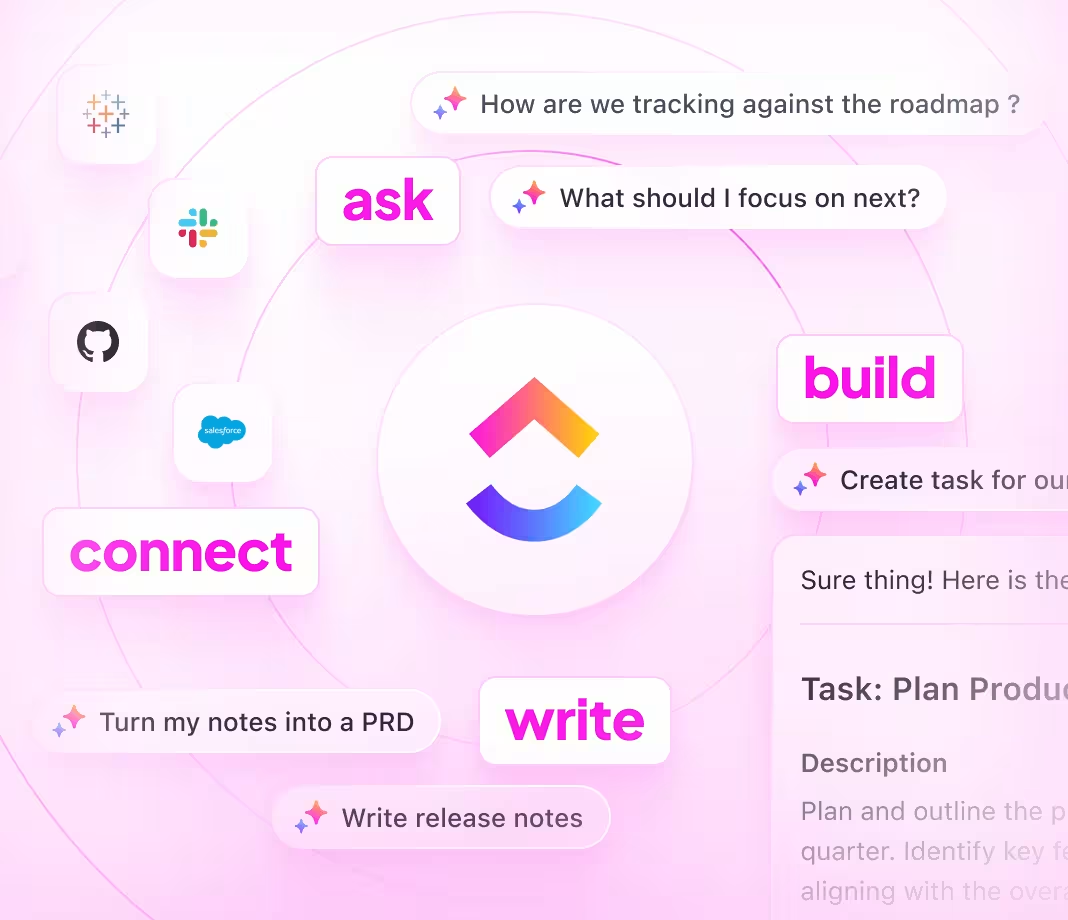
Power of ClickUp Knowledge Base
Harness ClickUp to Develop Your Incident Reporting Knowledge Hub
Align incident documentation with workflows, accountability, and compliance demands.
Organize
Structured Incident Documentation with ClickUp Docs
- Incident categories, reporting workflows, investigation templates, compliance references
- Table of contents and subpages for easy navigation
- Consistent incident report and analysis formats
Why it matters: Teams locate information quickly and follow standardized procedures.

Assign
Clear Ownership and Progress Tracking
- Convert incident findings into assigned tasks
- Set deadlines and schedule periodic knowledge reviews
- Monitor documentation updates alongside incident resolution
Why it matters: Accountability ensures the knowledge base remains current and reliable.

Connect
Link Documentation to Incident Resolutions
- Integrate reports with follow-up actions, root cause analyses, and post-incident reviews
- Capture feedback and lessons learned to refine procedures
- Use ClickUp 4.0 features to visualize incident trends and knowledge gaps
Why it matters: Incident data stays actionable and supports continuous safety improvement.

Incident Reporting Knowledge Base with ClickUp
Your Top Questions Answered


SOC 2
CERTIFIED

ISO 27001
CERTIFIED

GDPR
COMPLIANT

HIPAA
COMPLIANT