Wildlife Rehabilitation Knowledge Hub
Build an Adaptive Knowledge Base for Wildlife Care
Create a centralized, searchable resource for protocols, treatment plans, species data, and rehabilitation guidelines—empowering caregivers with up-to-date, actionable information.
 25,000+ reviews from
Trusted by the best
ClickUp vs Traditional Methods
Why ClickUp Transforms Wildlife Rehabilitation Knowledge Management
Centralize your knowledge and care workflows for greater impact.
With traditional methods
- Care protocols scattered across files and emails, causing confusion
- Manual updates delay critical information sharing
- Rehabilitation notes disconnected from ongoing cases
- Access controls limited, risking sensitive wildlife data exposure
- Time-consuming documentation detracts from hands-on care
With ClickUp
- Merge knowledge with case management (Docs, tasks, comments)
- Convert knowledge gaps into actionable tasks with Brain AI
- Link rehabilitation guides directly to animal care workflows
- Granular permission settings safeguard sensitive information
- AI-powered tools accelerate documentation, summaries, and troubleshooting
Building Your Knowledge Base
How to create a wildlife rehabilitation knowledge base?
Follow this 6-step approach to organize, maintain, and evolve your care knowledge effectively.
1. Identify your users and rehabilitation goals
- Define caregivers, veterinarians, and volunteers as primary users
- Outline key outcomes from intake to release and post-care monitoring
- Assign knowledge ownership to ensure accuracy and updates
2. Design a clear knowledge base framework
- Develop a central hub with intuitive navigation for protocols, species profiles, and treatment plans
- Include sections for intake procedures, care guidelines, medications, and rehabilitation milestones
- Maintain logs for updates and regulatory changes
3. Standardize documentation formats for consistency
- Use uniform templates for species care sheets, injury assessments, and rehabilitation plans
- Include treatment steps, behavioral observations, and outcome tracking
- Standard formats reduce errors and improve communication
4. Incorporate practical care guides and troubleshooting tips
- Add step-by-step guides for common injuries and illnesses
- Document troubleshooting for behavioral challenges and environmental factors
- Centralize emergency response procedures and contact info
5. Keep knowledge current by linking to case updates
- Connect knowledge base entries to active rehabilitation cases and release reports
- Treat documentation as part of ongoing care, not an afterthought
- Use ClickUp Brain and Brain Max to automate updates and summaries
6. Secure access and encourage continual refinement
- Control permissions for internal staff, partners, and public education
- Regularly review and update protocols based on new research and feedback
- Foster collaboration and knowledge sharing to improve outcomes
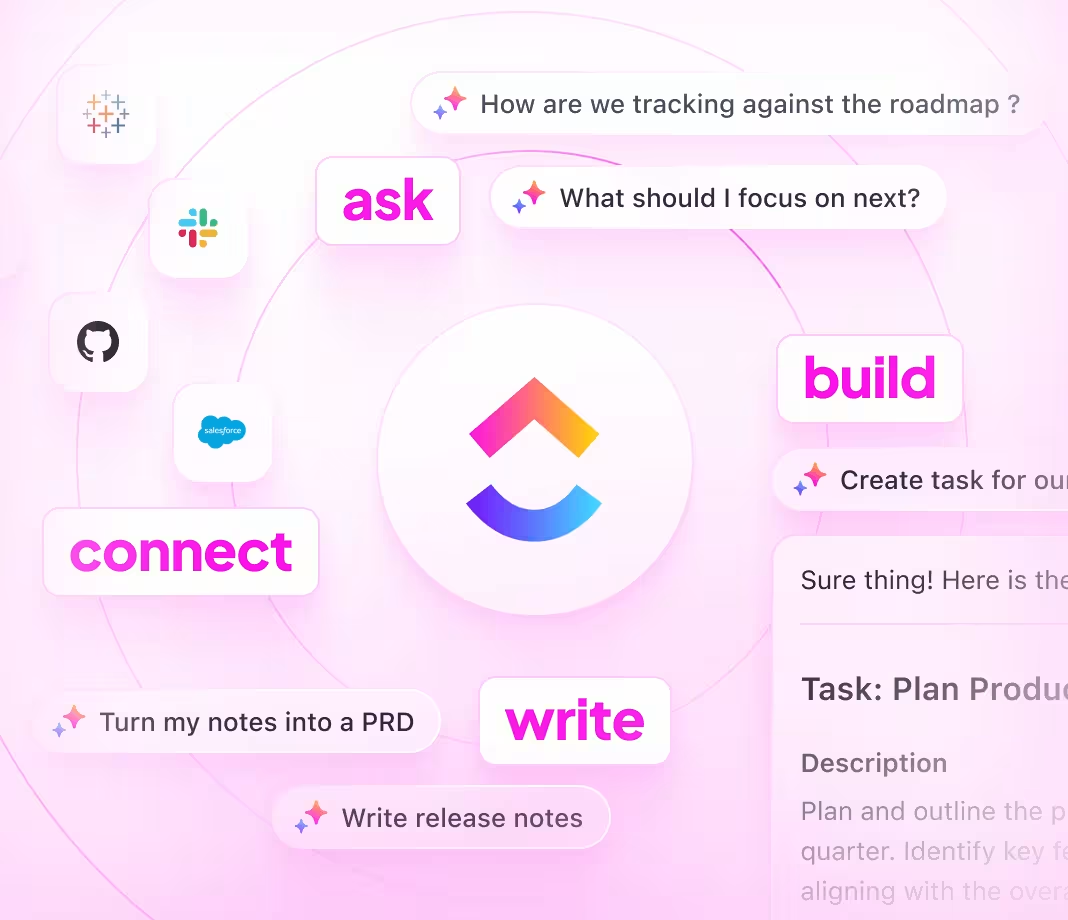
Harness ClickUp’s Power for Wildlife Care
How ClickUp supports building wildlife rehabilitation knowledge bases
Keep care protocols structured, owned, and aligned with every case update.
Organize
Structured wildlife care knowledge with ClickUp Docs
- Intake protocols, species profiles, injury treatments, release criteria
- Interactive table of contents and subpages for easy navigation
- Consistent documentation templates across cases
Why it matters: Caregivers find trusted information quickly, reducing delays and errors.

Manage
Accountable knowledge ownership and updates
- Identify gaps and convert them into assigned tasks
- Set knowledge owners, deadlines, and review cycles
- Manage documentation workload alongside rehabilitation tasks
Why it matters: Keeps your knowledge base current and reliable through clear responsibility.

Integrate
Knowledge connected directly to rehabilitation cases
- Link documents to animal case files, treatment plans, and release notes
- Associate updates with new findings, incidents, and outcomes
- Use AI tools to summarize case insights into knowledge base updates
Why it matters: Ensures protocols evolve in step with real-world care and research.

ClickUp knowledge base for wildlife rehabilitation
Frequently Asked Questions




SOC 2
CERTIFIED

ISO 27001
CERTIFIED

GDPR
COMPLIANT

HIPAA
COMPLIANT