
Water Quality Monitoring Knowledge Hub
Streamline Your Water Quality Knowledge Base with ClickUp
Consolidate protocols, data standards, sensor info, regulations, and troubleshooting into one searchable hub—ensuring your team accesses the most current and accurate water quality insights.
 25,000+ reviews from
Trusted by the best
ClickUp vs Traditional Methods
Elevate Water Quality Knowledge Management Beyond Traditional Tools
Create a unified resource that grows with your environmental team.
Using traditional tools
- Data and protocols scattered across spreadsheets and emails, causing version conflicts
- Updates delayed due to manual communication and siloed teams
- Disconnected from fieldwork and sensor data changes
- Access controls lacking, leading to duplicated or outdated docs
- Entirely manual processes slow knowledge sharing and compliance
Using ClickUp
- Centralizes knowledge alongside tasks and field reports (Docs + tasks + comments)
- Automatically turns knowledge gaps into actionable tasks
- Links documentation to sensor updates, incidents, and regulatory changes
- Granular permissions for internal teams, partners, and public stakeholders
- AI-powered drafting, summarization, and troubleshooting accelerate updates
Build Your Knowledge Base
How to build a water quality monitoring knowledge base with ClickUp
Follow this 6-step approach to keep your water quality knowledge organized, accessible, and up to date.
1. Define your audience and monitoring objectives
- Identify field teams, analysts, and stakeholders
- Map workflows from data collection to reporting and compliance
- Assign ownership to ensure ongoing accuracy and updates
2. Design a clear knowledge base framework
- Create centralized hubs covering protocols, sensors, data standards, and regulations
- Organize content by water body type, parameters, and geographic regions
- Include changelogs and alerts for regulatory updates
3. Standardize documentation formats for consistency
- Use consistent templates for sampling protocols, data interpretation, and equipment manuals
- Cover purpose, procedure, calibration, and common issues
- Document troubleshooting steps to minimize repeated field errors
4. Incorporate practical guides and troubleshooting tips
- Develop step-by-step instructions for sampling and lab procedures
- Add troubleshooting for sensor malfunctions and data anomalies
- Centralize best practices for data validation and quality control
5. Keep knowledge aligned with field operations and compliance updates
- Link documentation to field reports, incident logs, and regulatory changes
- Treat updates as integral to monitoring cycles, not afterthoughts
- Maintain accuracy as protocols or regulations evolve
6. Manage access and maintain ongoing knowledge quality
- Set permissions for internal teams, external partners, and public transparency
- Track review cycles and incorporate feedback regularly
- Use AI tools to identify outdated content and suggest improvements
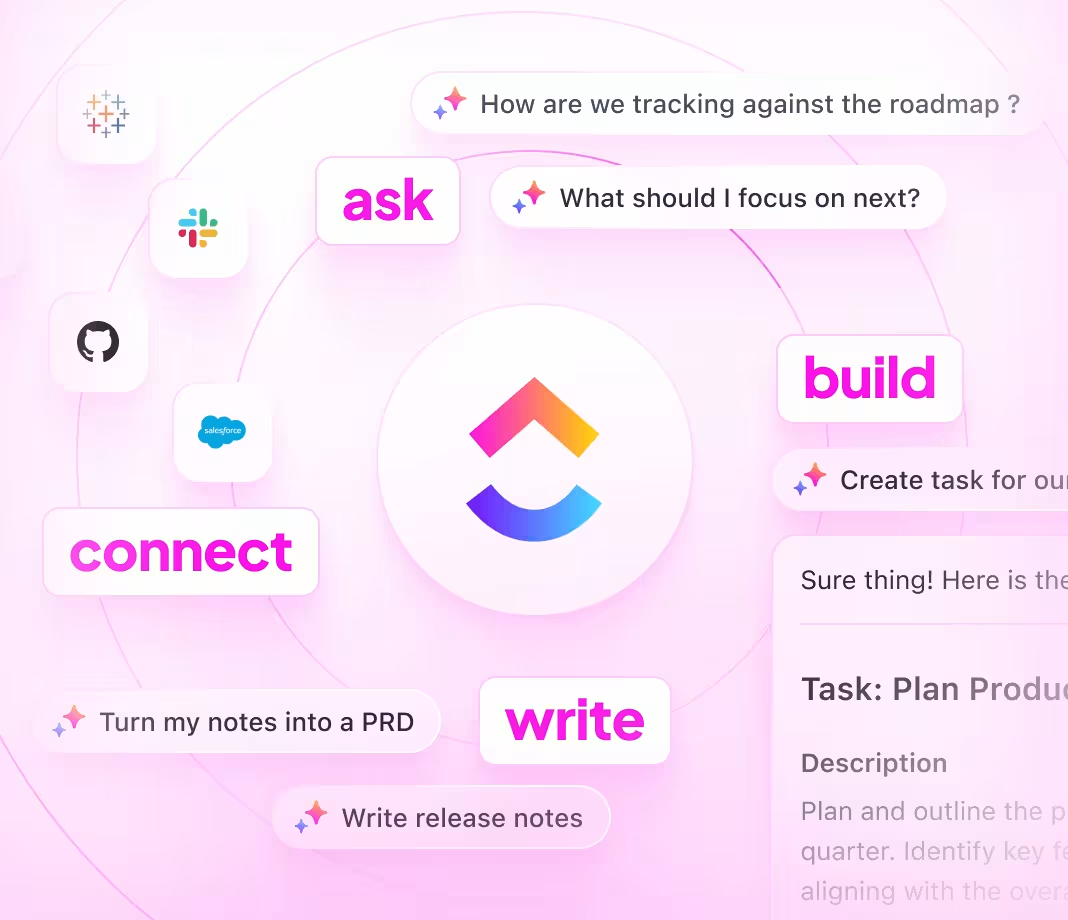
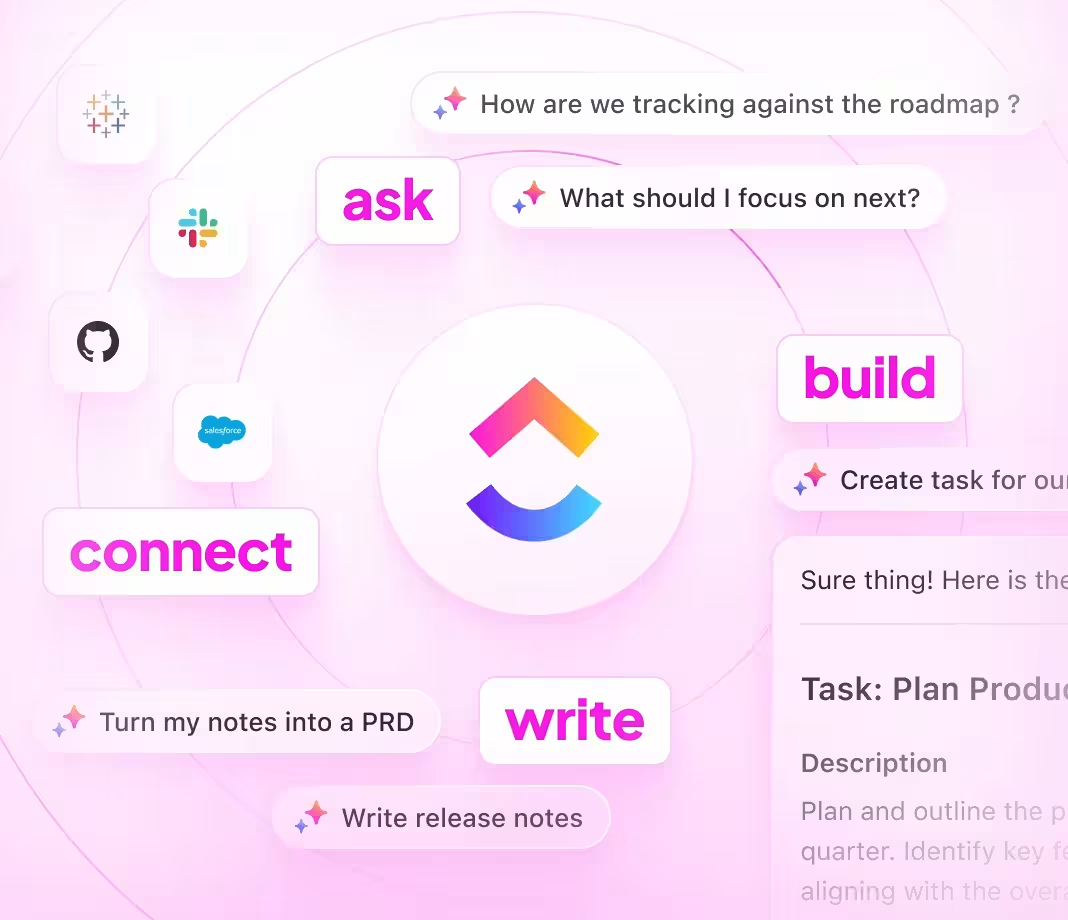
ClickUp Knowledge Base Capabilities
Unlock the power of ClickUp for water quality knowledge management
Ensure your knowledge stays accurate, owned, and synchronized with every field update and regulatory change.
Organize
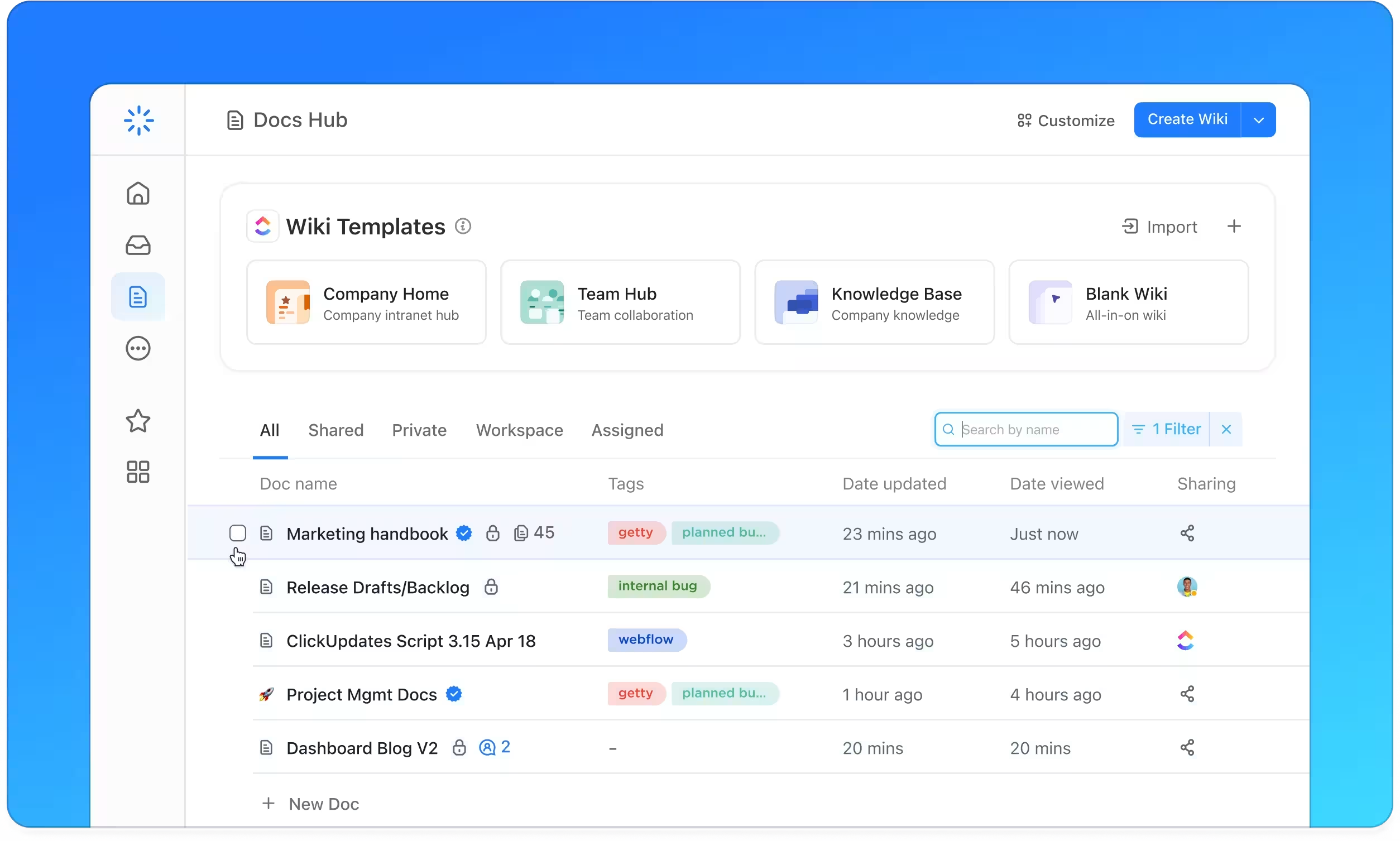
Structured documentation with ClickUp Docs
- Sampling protocols, sensor specs, data standards, regulations
- Table of contents and nested subpages for easy navigation
- Consistent templates for procedures and troubleshooting
Why it matters: Teams access precise guidance quickly, reducing errors and delays.

Assign
Transparent ownership and tracking
- Convert documentation gaps into assigned tasks
- Designate owners, set deadlines, and schedule reviews
- Manage documentation efforts alongside operational workflows
Why it matters: Accountability ensures the knowledge base remains reliable and updated.

Integrate
Documentation linked to field data and compliance
- Connect docs to monitoring events, incident reports, and regulation updates
- Tie knowledge updates to operational releases and audits
- Incorporate feedback from field teams and regulators
Why it matters: Documentation evolves in step with real-world monitoring activities.

Water Quality Knowledge Base FAQs
Common Questions About Using ClickUp for Water Quality Monitoring


SOC 2
CERTIFIED
ISO 27001
CERTIFIED

GDPR
COMPLIANT

HIPAA
COMPLIANT