
Vulnerability Management Knowledge Hub
Build a Centralized Knowledge Base for Vulnerability Management
Create a unified, searchable repository for vulnerability data, remediation steps, risk assessments, and compliance tracking—so your team always accesses the most current security insights.
 25,000+ reviews from
Trusted by the best
ClickUp vs Traditional Tools
Why ClickUp Transforms Vulnerability Management Knowledge Bases
Unify your security knowledge and workflows in one scalable platform.
With traditional tools
- Vulnerability data scattered across siloed systems causing delays
- Manual updates increase risk of outdated remediation info
- Lack of integration with incident response and patching workflows
- Permission challenges leading to redundant documentation
- Entirely manual processes slow down vulnerability tracking
With ClickUp
- Consolidate vulnerability docs, tasks, and collaboration in one place
- Turn knowledge gaps into actionable remediation tasks automatically
- Link vulnerability info directly to incidents, patches, and compliance checks
- Granular access controls tailored for internal and external stakeholders
- AI-powered assistance accelerates documentation and analysis
Steps to Build Your Knowledge Base
How to create a knowledge base for vulnerability management?
Follow this 6-step framework to keep vulnerability insights comprehensive, actionable, and current.
1. Identify your stakeholders and knowledge goals
- Determine who uses the vulnerability knowledge base (security, IT, compliance teams)
- Outline critical information flows from detection to remediation and reporting
- Assign clear ownership to maintain accuracy and accountability
2. Design a structured knowledge base framework
- Build a centralized hub with intuitive navigation for vulnerability categories
- Include sections like vulnerability types, remediation procedures, risk ratings, and compliance standards
- Maintain changelogs for vulnerability disclosures and patch releases
3. Standardize vulnerability documentation templates
- Use consistent formats covering description, impact, detection methods, and mitigation
- Document exposure levels, affected assets, and prioritization criteria
- Include verification steps and common false positives to reduce confusion
4. Incorporate practical remediation guides and troubleshooting
- Develop step-by-step instructions for patching and mitigation
- Add common challenges and their resolutions
- Centralize incident response workflows and escalation paths
5. Keep your knowledge base aligned with security operations
- Link documentation updates to vulnerability scans, incident tickets, and patch deployments
- Treat knowledge updates as part of your security lifecycle, not an afterthought
- Ensure documentation evolves with emerging threats and regulatory changes
6. Manage permissions and continuous improvement
- Control access for internal teams, partners, and auditors
- Monitor feedback and regularly review content to prevent information decay
- Leverage ClickUp Brain and Brain Max for AI-driven maintenance and insights
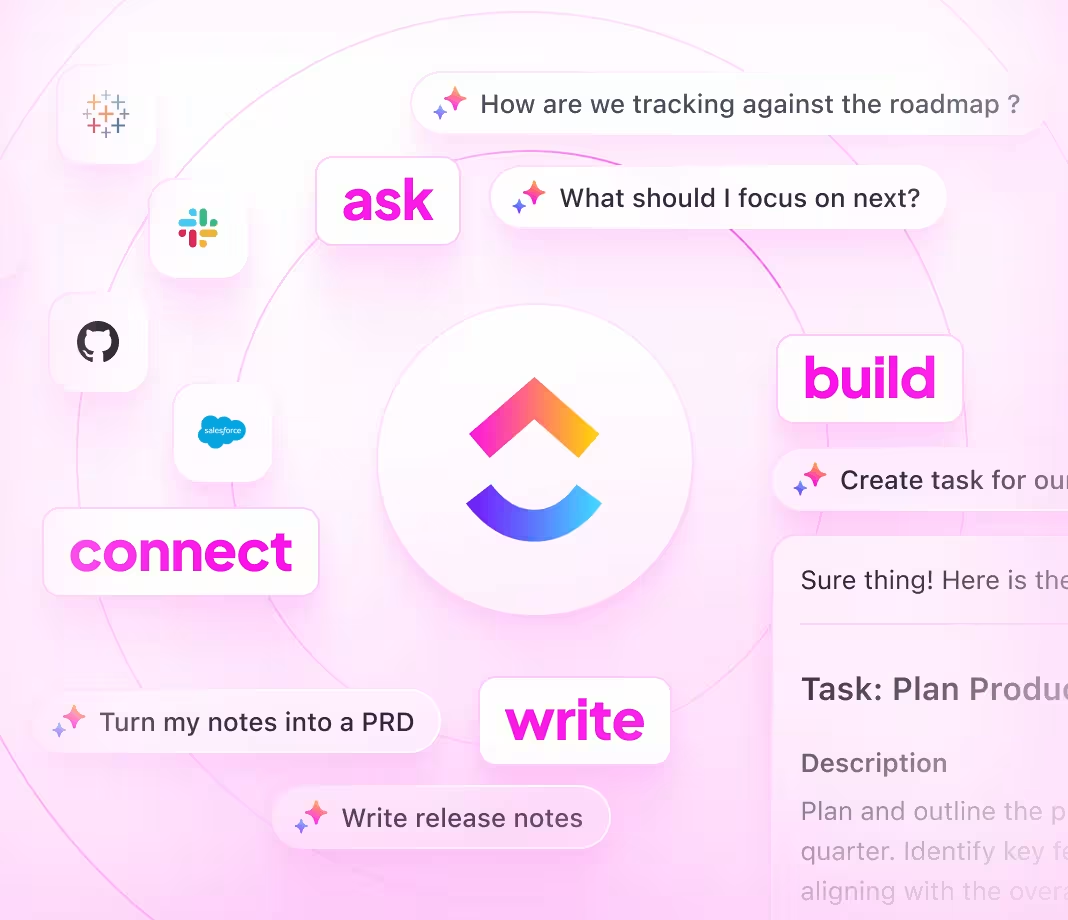
Harness ClickUp’s Capabilities
How ClickUp Empowers Vulnerability Knowledge Management
Ensure your vulnerability management knowledge base is comprehensive, current, and actionable across your security ecosystem.
Organize
Structured Vulnerability Documentation with ClickUp Docs
- Categorize by vulnerability type, severity, and compliance impact
- Use tables of contents and nested pages for seamless navigation
- Maintain consistent templates for each vulnerability report
Why it matters: Security teams find critical data quickly, reducing mean time to remediation.

Assign
Accountable Ownership and Tracking
- Convert documentation gaps into assigned remediation tasks
- Set owners, due dates, and recurring reviews for each vulnerability entry
- Track knowledge base updates alongside security operations
Why it matters: Ownership drives timely updates and sustained knowledge accuracy.

Integrate
Documentation Synced with Security Workflows
- Link knowledge base entries to vulnerability scans, incident tickets, and patch management
- Connect feedback from audits and compliance checks
- Associate support requests and threat intel updates
Why it matters: Documentation evolves alongside your security posture, minimizing gaps.

ClickUp Knowledge Base for Vulnerability Management
Your Questions Answered


SOC 2
CERTIFIED

ISO 27001
CERTIFIED

GDPR
COMPLIANT

HIPAA
COMPLIANT