
Threat Modeling Knowledge Base with ClickUp
Build a Robust Knowledge Base for Threat Modeling
Centralize all threat scenarios, risk assessments, mitigation strategies, and compliance guidelines into a single, searchable platform—empowering security teams to stay ahead of evolving threats.
 25,000+ reviews from
Trusted by the best
ClickUp vs Traditional Tools
Why ClickUp Elevates Threat Modeling Knowledge Management
Unify security knowledge and workflows in one adaptable hub.
With traditional tools
- Security data often scattered across disconnected platforms
- Manual updates lead to outdated threat intelligence
- Lack of integration slows response to new vulnerabilities
- Rigid permissions complicate collaboration across teams
- Time-consuming documentation slows down security operations
With ClickUp
- Combine knowledge and action with Docs, tasks, and comments in one place
- Instantly convert gaps in threat models into assigned remediation tasks
- Link docs directly to security incidents and risk assessments
- Flexible access controls for internal teams and external partners
- Leverage AI with ClickUp Brain and Brain Max to accelerate analysis and documentation
Steps to build your knowledge base
How to create a threat modeling knowledge base?
Follow this 6-step framework to keep your security insights organized, actionable, and current.
1. Identify your security stakeholders and knowledge goals
- Define who needs access: security analysts, developers, auditors
- Outline critical threat categories and compliance requirements
- Assign ownership to ensure accountability for updates
2. Establish a clear knowledge base hierarchy for threat models
- Develop a centralized hub with logical sections such as assets, threats, vulnerabilities, controls, and remediation
- Use subpages for detailed attack trees and risk matrices
- Ensure easy navigation to speed up incident response
3. Standardize threat documentation templates
- Create uniform templates covering threat description, impact, likelihood, mitigation steps, and verification
- Maintain consistency for faster review and comprehension
- Include fields for compliance mapping and risk scoring
4. Integrate real-world scenarios and mitigation guides
- Document case studies and past incident analyses
- Provide step-by-step guides for common threat mitigations
- Centralize best practices and response playbooks
5. Keep threat intelligence updated through linked workflows
- Connect knowledge base updates to vulnerability scans, penetration tests, and incident tickets
- Use ClickUp tasks and automations to drive continuous improvement
- Treat documentation as a dynamic part of your security lifecycle
6. Manage access and review cycles effectively
- Implement role-based permissions for sensitive data
- Schedule regular reviews and updates with assigned owners
- Gather feedback from users to refine content and usability
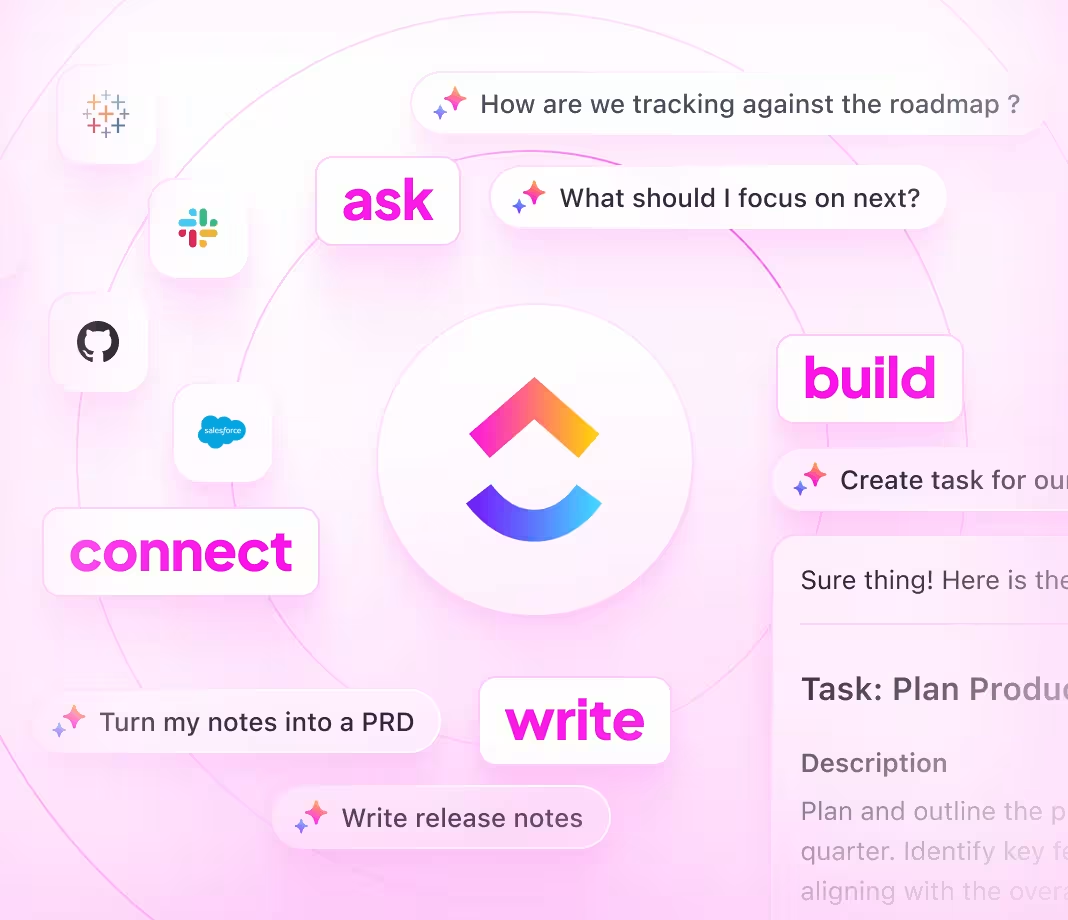
The power of ClickUp Knowledge Base
Harness ClickUp to build your threat modeling knowledge base
Stay organized, maintain ownership, and align your security knowledge with ongoing threat landscape changes.
Organize
Comprehensive threat modeling documentation with ClickUp Docs
- Asset inventories, threat catalogs, vulnerability assessments, and controls
- Intuitive table of contents and nested pages for seamless navigation
- Consistent templates for threat profiles and mitigation plans
Why it matters: Security teams find critical information quickly, reducing risk exposure.

Assign
Clear ownership and progress tracking
- Convert documentation gaps into actionable tasks
- Assign owners, schedule reviews, and set deadlines
- Track updates alongside security projects
Why it matters: Accountability ensures your knowledge base remains current and reliable.

Connect
Link documentation to incidents and risk management
- Associate threat models with specific security incidents and vulnerability reports
- Integrate feedback from audits and pen tests
- Use AI-powered insights from ClickUp Brain and Brain Max for continuous refinement
Why it matters: Documentation evolves in sync with your security posture.

Threat modeling knowledge base with ClickUp
Common Questions About Using ClickUp for Threat Modeling


SOC 2
CERTIFIED

ISO 27001
CERTIFIED

GDPR
COMPLIANT

HIPAA
COMPLIANT