Establish a Centralized Knowledge Base for Managing Technical Debt
Create a unified, searchable resource for documenting technical debt issues, remediation plans, impact assessments, and best practices—empowering your team to maintain code quality and accelerate development cycles.
 25,000+ reviews from
Why ClickUp Transforms Technical Debt Knowledge Management
Consolidate your insights and actions into one dynamic platform.
Traditional Technical Debt Management
- Debt knowledge scattered across disconnected tools
- Manual tracking leads to overlooked issues
- Documentation rarely linked to actual code changes
- Limited access controls cause duplication and confusion
- Slow, manual updates hinder timely remediation
ClickUp Advantage
- Integrates knowledge with actionable tasks (Docs + tasks + comments)
- Seamlessly convert debt findings into assigned remediation work
- Link documentation directly to code releases and incidents
- Flexible permissions for internal teams, partners, and stakeholders
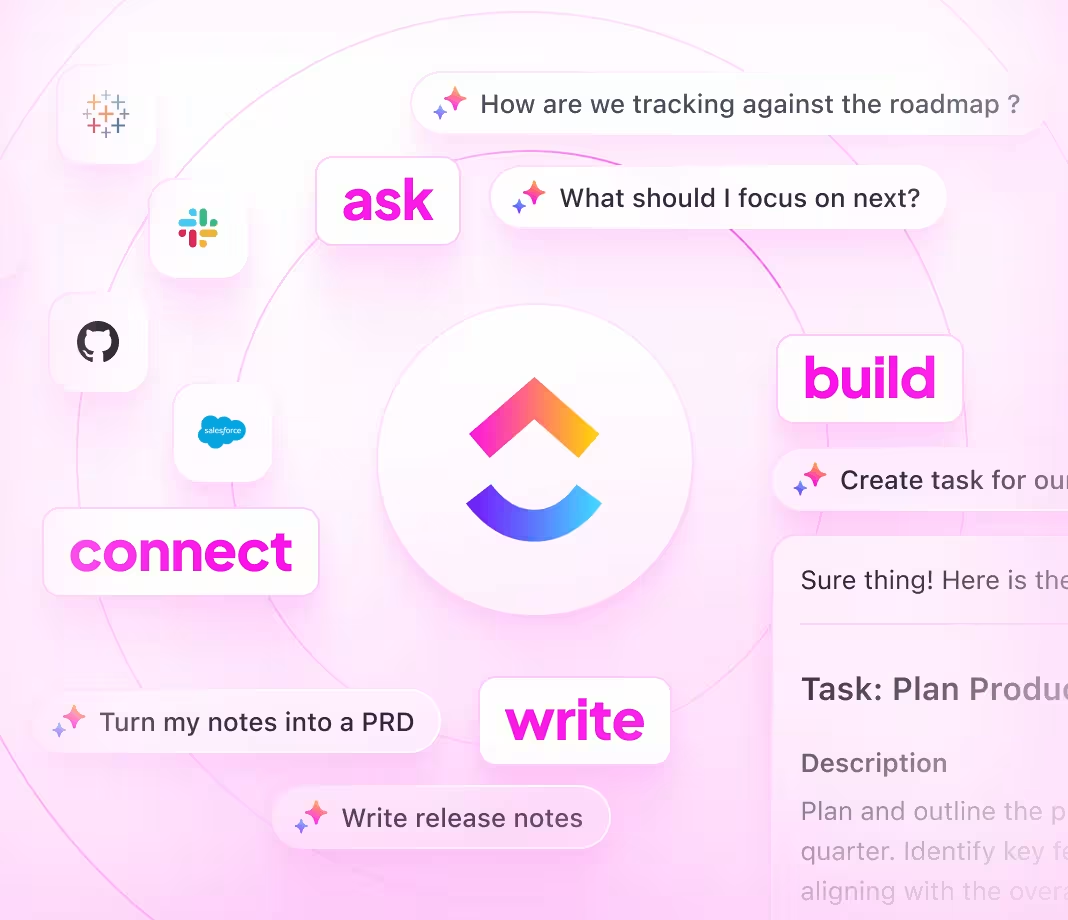
- AI-powered features accelerate documentation and analysis with ClickUp Brain and Brain Max
Steps to Create a Technical Debt Management Knowledge Base
Follow this 6-step framework to keep your debt documentation clear, actionable, and aligned with development workflows.
1. Identify stakeholders and define knowledge goals
- Determine who manages and uses technical debt information
- Outline objectives for debt tracking, impact assessment, and resolution
- Assign ownership to maintain accuracy over time
2. Design a structured knowledge base layout
- Develop a centralized hub with clear navigation
- Organize sections like debt inventory, remediation strategies, impact logs, and timelines
- Include change history and deprecation notices for transparency
3. Standardize documentation templates for consistency
- Create repeatable formats capturing debt type, origin, affected components, and priority
- Document remediation steps, responsible parties, and projected timelines
- Include risk assessments and dependencies to guide decisions
4. Incorporate practical guides and troubleshooting resources
- Provide how-to guides for common debt resolution patterns
- Add troubleshooting tips for recurring technical challenges
- Centralize best practices for code refactoring and testing
5. Link documentation updates to development cycles
- Connect debt records to code releases, bug fixes, and sprint tasks
- Treat documentation as an integral part of development, not an afterthought
- Ensure knowledge base reflects real-time project status
6. Enforce access controls and continuous maintenance
- Set permissions tailored to internal teams, external partners, and stakeholders
- Regularly update debt records, impact analyses, and remediation progress
- Collect feedback and schedule reviews to prevent knowledge gaps
Leverage ClickUp to Build Your Technical Debt Knowledge Base
Centralize debt tracking and resolution with structured documentation, task management, and AI-powered insights.
Structured Documentation with ClickUp Docs
- Catalog debt types, affected modules, remediation plans, and impact assessments
- Utilize nested pages and tables of contents for easy navigation
- Maintain uniform templates for clarity and speed
Why it matters: Your team accesses precise information quickly, minimizing guesswork and delays.

Accountability through Trackable Ownership
- Convert documentation gaps into actionable tasks
- Assign owners with clear deadlines and review schedules
- Monitor progress alongside development work
Why it matters: Responsibility is transparent, keeping your knowledge base current and reliable.

Documentation Linked to Development Releases
- Integrate debt records with sprint deliverables and code changes
- Connect incidents, bug reports, and postmortem findings
- Align feedback loops with documentation updates
Why it matters: Your knowledge base evolves with your codebase, preventing outdated or irrelevant information.

Common Questions About Managing Technical Debt in ClickUp






