
ClickUp Knowledge Base for Taxonomy Development
Build a Robust Knowledge Base for Taxonomy Development
Create a centralized, searchable resource for classification standards, metadata schemas, glossary terms, and maintenance protocols—ensuring your taxonomy evolves with clarity and precision.
 25,000+ reviews from
Trusted by the best
ClickUp vs Traditional Tools
Why Choose ClickUp to Manage Your Taxonomy Knowledge Base
Consolidate taxonomy knowledge and workflows in one scalable platform.
Using traditional tools
- Taxonomy information scattered across spreadsheets and documents
- Manual updates cause inconsistencies and outdated references
- No direct link between taxonomy changes and implementation tasks
- Limited permission controls lead to version confusion
- Time-consuming processes slow taxonomy evolution
With ClickUp
- Unified docs, tasks, and comments keep taxonomy knowledge connected
- Automate gap identification and assign taxonomy refinement tasks
- Link taxonomy updates directly to projects and releases
- Granular access controls for teams, partners, and stakeholders
- AI-powered assistance accelerates content creation and review
Steps to build your knowledge base
How to create a knowledge base tailored for taxonomy development?
Follow this 6-step approach to maintain clear, consistent, and actionable taxonomy documentation.
1. Identify your taxonomy users and development objectives
- Define who relies on the taxonomy (curators, analysts, system integrators)
- Outline classification goals and metadata standards
- Assign dedicated ownership to ensure taxonomy integrity
2. Design an intuitive taxonomy knowledge base framework
- Centralize taxonomy components: classification schemes, vocabularies, workflows
- Structure navigation around core elements like terms, hierarchies, and governance
- Include change logs and version histories for transparency
3. Standardize taxonomy entry pages for uniformity
- Apply consistent templates covering term definitions, relationships, and usage rules
- Document scope, synonyms, and metadata attributes clearly
- Address exceptions and edge cases to prevent ambiguity
4. Incorporate practical guides and troubleshooting references
- Develop how-to content for taxonomy curation and application
- Provide resolution steps for common classification conflicts
- Consolidate best practices for taxonomy maintenance and audits
5. Synchronize taxonomy updates with project milestones
- Connect documentation changes to release cycles, feedback, and audits
- Treat taxonomy upkeep as an ongoing project task
- Ensure the knowledge base reflects the latest organizational standards
6. Implement access controls and ongoing governance
- Manage permissions across internal teams and external partners
- Maintain comprehensive logs of modifications and rationale
- Regularly solicit feedback to keep taxonomy relevant and accurate
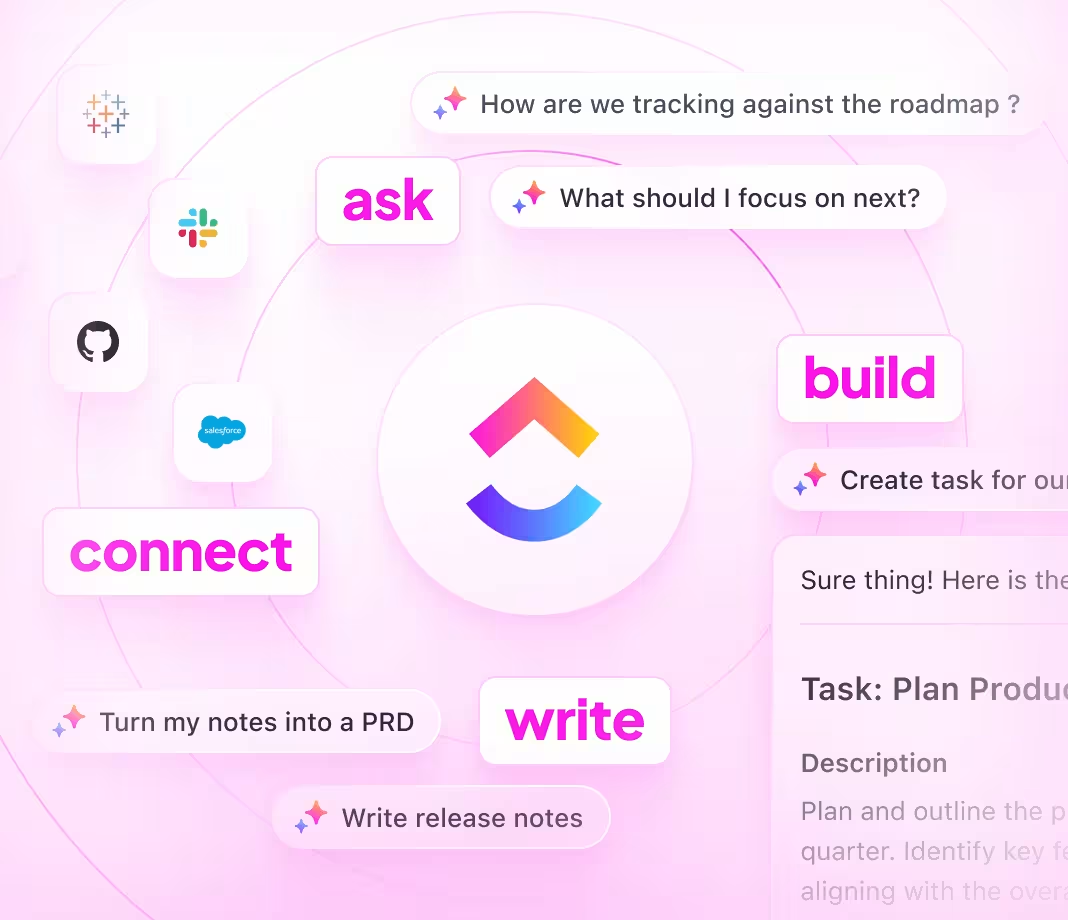
ClickUp’s Role in Taxonomy Development
Unlock the Power of ClickUp for Taxonomy Knowledge Management
Ensure taxonomy documentation is structured, accountable, and updated alongside every change.
Organize
Structured Taxonomy Documentation with ClickUp Docs
- Classification hierarchies, metadata schemas, term glossaries, governance policies
- Table of contents plus nested subpages for seamless navigation
- Uniform page templates for taxonomy elements
Why it matters: Teams locate information swiftly, reducing misclassification and rework.

Manage
Accountable Taxonomy Ownership Tracking
- Identify documentation gaps and convert them into actionable tasks
- Assign owners, set deadlines, and schedule review cycles
- Monitor taxonomy documentation progress alongside other work
Why it matters: Ownership drives consistent updates and sustained taxonomy accuracy.

Integrate
Taxonomy Aligned with Development Cycles
- Link taxonomy documentation to releases, audits, and change requests
- Connect feedback loops, issue tracking, and post-implementation reviews
- Maintain synchronization as your taxonomy and systems evolve
Why it matters: Up-to-date taxonomy supports reliable data classification and decision-making.

ClickUp Knowledge Base for Taxonomy Development
Common Questions About Managing Taxonomy Documentation


SOC 2
CERTIFIED

ISO 27001
CERTIFIED

GDPR
COMPLIANT

HIPAA
COMPLIANT