Support Backlog Management Knowledge Base
Build a Unified Knowledge Base for Support Backlog Management Rules
Create a centralized, searchable resource for prioritization criteria, escalation protocols, resolution workflows, and common troubleshooting—so your support team always follows the latest guidelines.
 25,000+ reviews from
Trusted by the best
ClickUp vs Traditional Support Tools
Why ClickUp excels for building a support backlog management knowledge base
Consolidate knowledge and action in one adaptable platform.
Traditional support backlog tools
- Knowledge scattered across emails, docs, and spreadsheets, leading to outdated rules
- Manual updates prone to errors and overlooked changes
- Disconnect between backlog rules and actual support workflows
- Limited access controls causing duplicated or inconsistent information
- Time-consuming manual documentation and maintenance
With ClickUp
- Integrate knowledge base with support task management and communication
- Automatically assign follow-up tasks from identified documentation gaps
- Link backlog rules directly to tickets, escalations, and resolution processes
- Granular permissions for internal teams, partners, and public knowledge
- AI-powered assistants accelerate content creation, summaries, and troubleshooting guides
Building your knowledge base
Steps to create a support backlog management rules knowledge base
Follow this 6-step framework to maintain clear, accessible, and up-to-date backlog guidelines.
1. Identify stakeholders and define backlog management objectives
- Clarify who uses the knowledge base (support agents, managers, partners)
- Outline key backlog management policies and escalation criteria
- Assign ownership to maintain consistency and accountability
2. Design an intuitive structure for backlog rules documentation
- Organize content into categories: prioritization, escalation paths, SLAs, resolution steps
- Create navigation aids like tables of contents and subpages for easy access
- Include change logs and version history for transparency
3. Standardize documentation templates for backlog rules
- Use consistent formats for rule descriptions, triggers, responsible teams, and actions
- Incorporate examples and edge cases to clarify application
- Highlight common exceptions to reduce misinterpretation
4. Enrich with practical guides and troubleshooting insights
- Develop how-to articles for common backlog scenarios
- Document frequent blockers and resolution tactics
- Centralize escalation contacts and best practices
5. Link documentation to support workflows and updates
- Connect backlog rules to ticket statuses, incident reports, and release notes
- Treat documentation updates as integral to workflow changes
- Ensure the knowledge base evolves alongside support operations
6. Control access and maintain ongoing reviews
- Set permission levels for internal teams, partners, and external users
- Schedule regular reviews and update cycles
- Collect feedback to continuously improve clarity and relevance
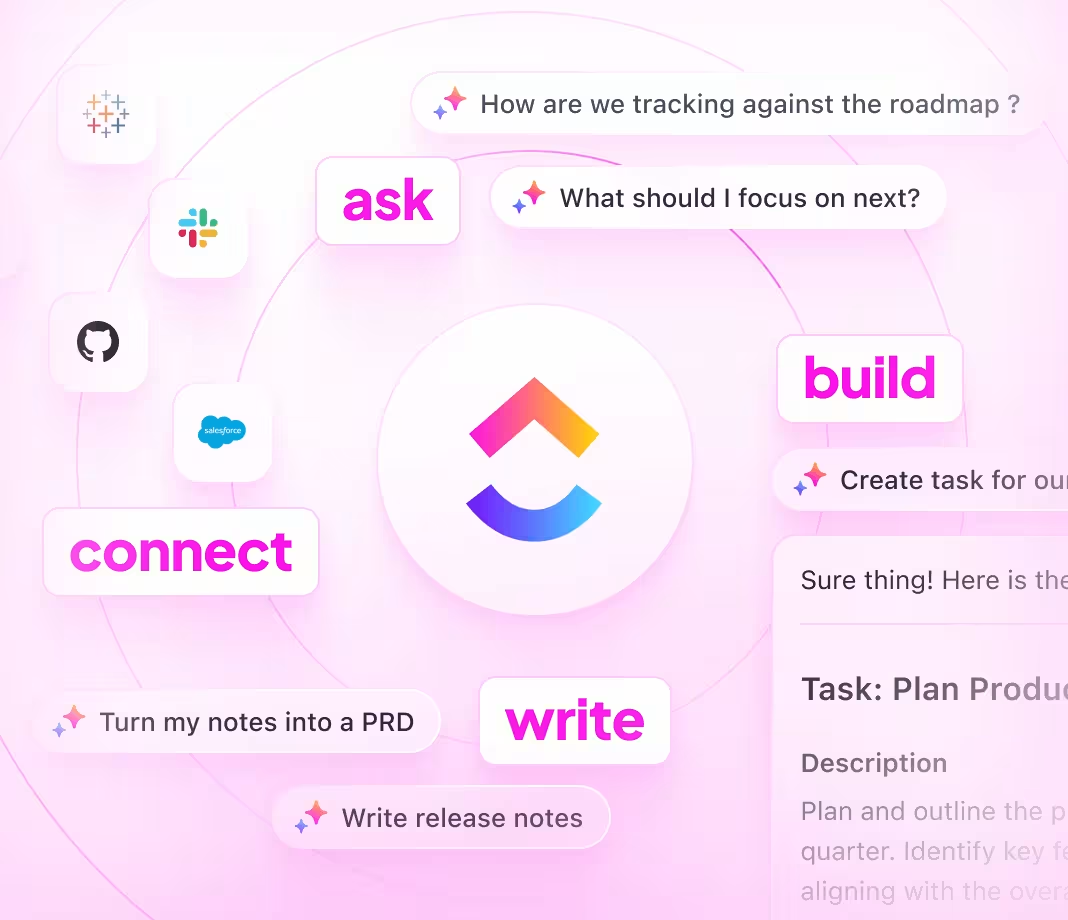
Leveraging ClickUp for support excellence
How ClickUp empowers knowledge base creation for support backlog management
Centralize backlog management rules with ownership, structure, and real-time updates powered by ClickUp 4.0 and Brain Max.
Organize
Structured backlog management documentation with ClickUp Docs
- Prioritization criteria, escalation workflows, resolution protocols
- Nested pages and table of contents for seamless navigation
- Uniform templates for consistent rule presentation
Why it matters: Support teams access clear, actionable backlog rules without delay.

Assign
Transparent ownership and task tracking
- Convert documentation gaps into actionable tasks
- Assign rule owners with deadlines and review schedules
- Manage backlog knowledge updates like support tickets
Why it matters: Accountability ensures your backlog rules stay precise and current.

Integrate
Documentation intertwined with support workflows
- Link rules to support tickets, escalations, and incident postmortems
- Connect feedback and backlog trends directly to documentation
- Synchronize updates with operational changes
Why it matters: Your knowledge base evolves with your support ecosystem, reducing errors and delays.

Support backlog management knowledge base with ClickUp
Common Questions About Building a Support Backlog Knowledge Base




SOC 2
CERTIFIED

ISO 27001
CERTIFIED

GDPR
COMPLIANT

HIPAA
COMPLIANT