Supply Chain Logistics Knowledge Hub
Elevate Your Supply Chain with a Centralized Knowledge Base
Create a unified, searchable repository for protocols, shipment tracking, vendor details, compliance standards, and troubleshooting—so your logistics team always accesses the most current insights.
 25,000+ reviews from
Trusted by the best
ClickUp vs Traditional Solutions
Why ClickUp Transforms Supply Chain Knowledge Management
One platform that grows with your logistics operations.
Traditional Tools Limitations
- Knowledge scattered across spreadsheets and emails, causing stale or lost information
- Manual updates delay critical process changes
- Disconnected from real-time shipment and inventory data
- Rigid permissions lead to multiple document versions
- Time-consuming manual documentation and revision processes
ClickUp Advantages
- Integrates knowledge and execution (Docs, tasks, comments in one place)
- Automatically converts knowledge gaps into actionable tasks
- Links documentation to live workflows (shipments, delays, supplier updates)
- Granular access control for internal teams, partners, and clients
- AI-powered tools accelerate content creation, summarization, and problem resolution
Blueprint for Your Knowledge Base
How to Establish a Supply Chain Logistics Knowledge Base?
Follow these 6 steps to build an organized, searchable, and dynamic resource.
1. Identify stakeholders and define knowledge management goals
- Pinpoint users: warehouse teams, procurement, carriers, compliance officers
- Map key processes: order fulfillment, inventory management, shipment tracking
- Assign responsibility to maintain accuracy and relevance
2. Design a clear, hierarchical knowledge base structure
- Develop a centralized hub with intuitive navigation
- Include sections such as operations, vendor management, compliance, and incident handling
- Ensure quick access to updates and regulatory changes
3. Standardize content pages for consistency
- Use uniform templates covering process steps, roles, tools, and performance metrics
- Include troubleshooting protocols and escalation paths
- Maintain clarity to reduce errors and training time
4. Incorporate practical guides and problem-solving resources
- Document common logistical scenarios and resolutions
- Provide step-by-step instructions for software tools and equipment
- Centralize communication protocols and contingency plans
5. Link documentation updates to operational changes
- Connect knowledge base updates to shipment schedules, supplier changes, audits, and compliance updates
- Treat documentation as an integral part of operational workflows
- Keep content aligned with real-time supply chain dynamics
6. Secure knowledge access and enforce ongoing maintenance
- Set role-based permissions for internal staff, partners, and vendors
- Regularly review content for accuracy and compliance
- Gather feedback to continuously improve knowledge resources
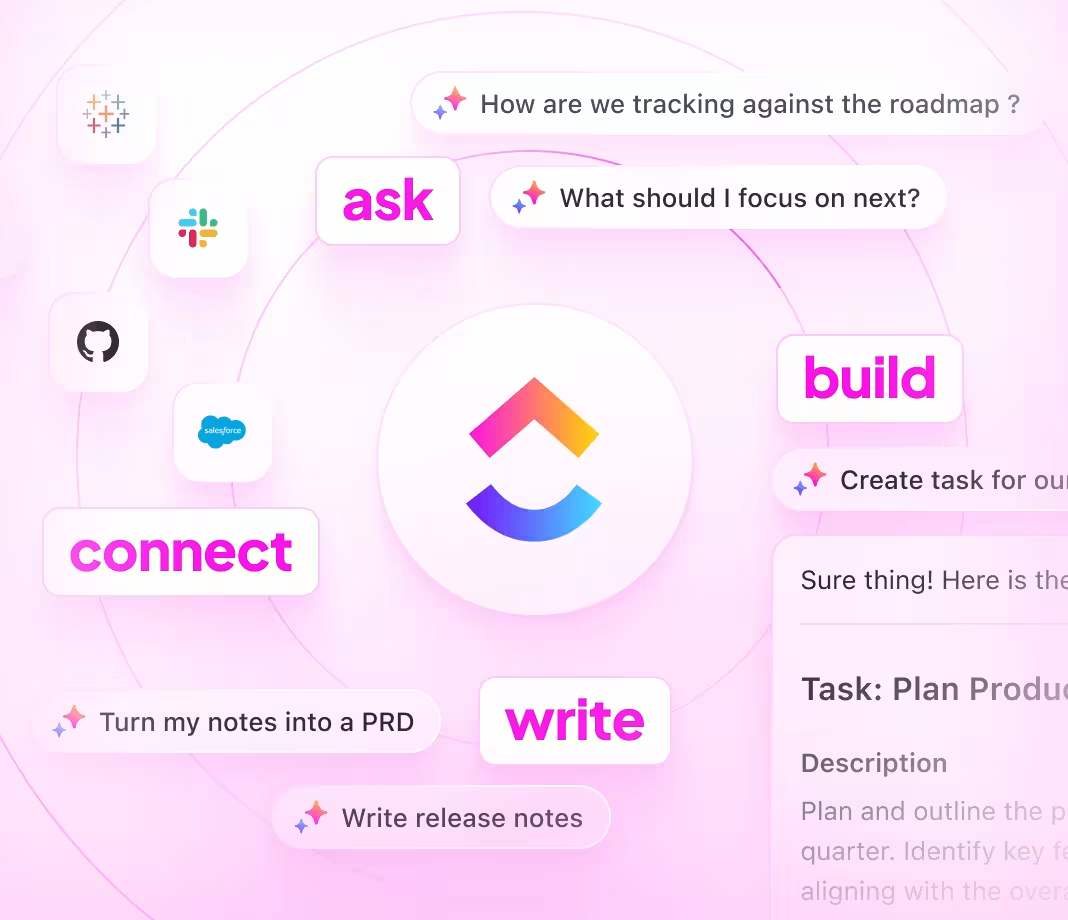
The Impact of ClickUp Knowledge Base
Unlock Supply Chain Knowledge with ClickUp
Keep your logistics documentation structured, accountable, and aligned with every operational update.
Organize
Structured Supply Chain Docs with ClickUp
- Sections for Inventory, Shipments, Vendors, Compliance, Incident Reports
- Table of contents plus nested pages for easy navigation
- Standardized page templates for processes and troubleshooting
Why it matters: Teams locate information quickly, reducing delays and errors.

Manage
Accountable Documentation Ownership
- Convert knowledge gaps into assigned tasks
- Define owners, deadlines, and review cycles
- Manage documentation updates alongside operational tasks
Why it matters: Accuracy is maintained because ownership drives ongoing updates.

Integrate
Documentation Connected to Operations
- Link knowledge updates to shipment changes, vendor onboarding, and compliance audits
- Tie incident reports and corrective actions to documentation
- Connect feedback loops from frontline teams
Why it matters: Documentation evolves with your supply chain, preventing information lag.

ClickUp Knowledge Base for Logistics
Common Questions About Building a Supply Chain Knowledge Base




SOC 2
CERTIFIED

ISO 27001
CERTIFIED

GDPR
COMPLIANT

HIPAA
COMPLIANT