
Build a Robust Knowledge Base for Structural Engineering
Create a centralized, searchable resource for design standards, load calculations, material specifications, and project protocols—so your engineering team always accesses the most current and reliable information.
 25,000+ reviews from
Why ClickUp Transforms Knowledge Management for Structural Engineers
Unify knowledge and project execution in one adaptable platform.
Traditional Methods
- Documentation scattered across emails, spreadsheets, and disconnected files
- Updates depend heavily on individual memory and manual follow-ups
- Lack of integration between design changes and knowledge repositories
- Permission issues cause redundant copies and version confusion
- Manual tracking leads to slow updates and outdated content
Using ClickUp for Structural Engineering
- Combine knowledge, tasks, and communication in one workspace
- Automatically convert knowledge gaps into assigned action items
- Link documentation directly to design revisions, inspections, and incident reports
- Flexible permissions manage confidential, partner, and public access
- AI-driven tools accelerate drafting, summarizing, and troubleshooting
How to Develop a Structural Engineering Knowledge Base with ClickUp
Follow this 6-step framework to keep your engineering knowledge organized, accessible, and current.
1. Identify Your Team’s Knowledge Needs and Objectives
- Determine key users such as design engineers, inspectors, and project managers
- Outline critical content areas: codes, calculations, materials, and safety procedures
- Assign content ownership to ensure accountability and consistency
2. Design a Clear Structural Engineering Knowledge Architecture
- Create a centralized hub with intuitive navigation tailored to engineering workflows
- Organize sections like Load Calculations, Material Specs, Compliance, and Project Guidelines
- Include changelogs and revision histories for transparency
3. Standardize Document Templates for Consistency
- Develop uniform templates for calculations, design criteria, and inspection reports
- Cover essential elements such as assumptions, formulas, reference standards, and examples
- Incorporate error checks and common pitfalls to minimize rework
4. Incorporate Practical Guides and Troubleshooting Logs
- Add step-by-step procedures for complex structural assessments
- Document lessons learned and typical failure modes
- Centralize incident reports and corrective actions
5. Keep Knowledge in Sync with Project Milestones
- Link documentation updates to design revisions, project phases, and regulatory changes
- Integrate knowledge management into engineering workflows rather than treating it as an afterthought
- Use ClickUp Brain to anticipate documentation needs and suggest updates
6. Manage Access and Continuously Improve Your Knowledge Base
- Set granular permissions for internal teams, external consultants, and stakeholders
- Regularly review and update content using ClickUp’s AI-assisted insights
- Gather feedback from users to refine the knowledge structure and content quality
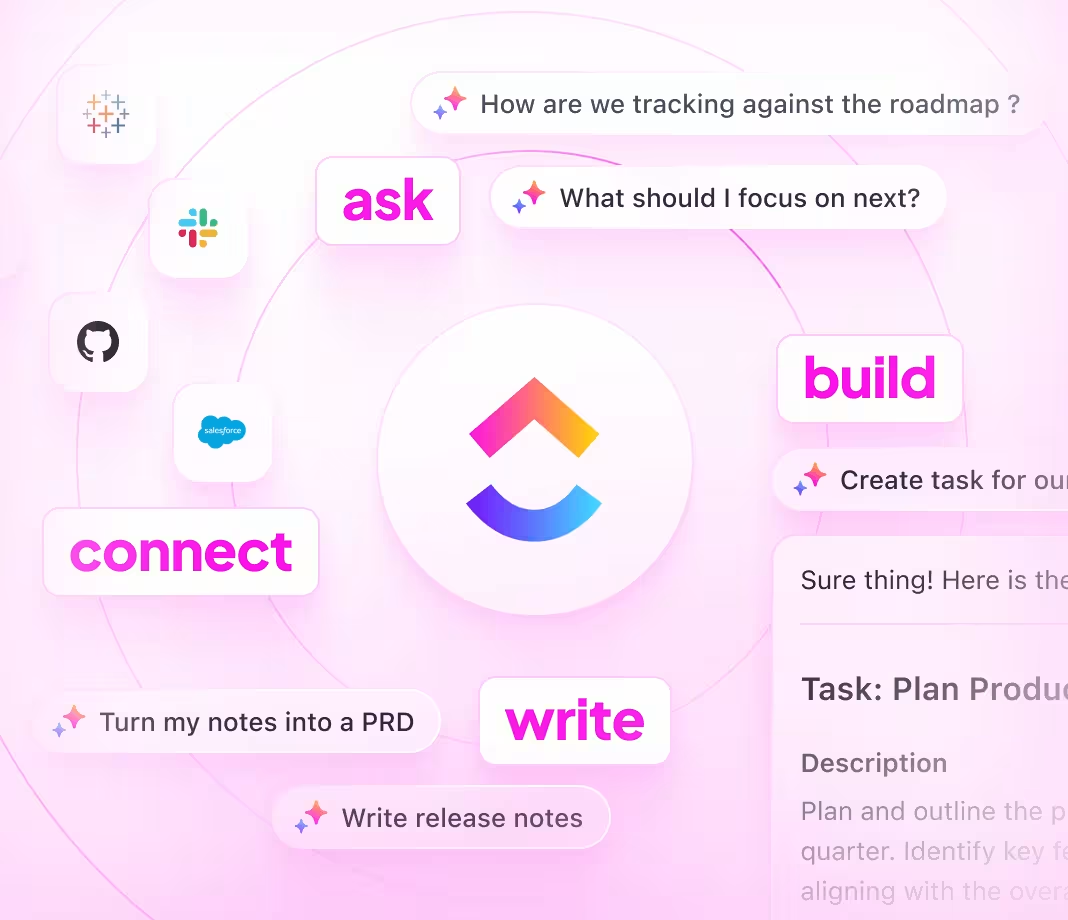
Unlock the Power of ClickUp for Structural Engineering Knowledge Management
Ensure your structural engineering documentation is well-structured, properly owned, and dynamically connected to every project update.
Structured Documentation with ClickUp Docs
- Sections for Design Codes, Material Specifications, Load Calculations, and Inspection Procedures
- Table of contents with nested subpages for easy navigation
- Standardized templates ensuring consistent documentation across projects
Why it matters: Engineers find precise answers quickly, reducing project delays and errors.

Clear Ownership and Accountability
- Identify documentation owners and set review schedules
- Convert knowledge gaps into actionable tasks with deadlines
- Monitor progress to keep the knowledge base reliable and up to date
Why it matters: Accountability ensures your knowledge base remains a trustworthy resource.

Documentation Synced with Project Deliverables
- Link documents to design revisions, inspection reports, and change requests
- Track incidents and incorporate learnings directly into your knowledge base
- Use ClickUp Brain to proactively suggest updates based on project activities
Why it matters: Your knowledge base evolves alongside your engineering projects, preventing outdated information.

Common Questions About Building Your Knowledge Base with ClickUp




