Build a Dynamic Knowledge Base for Serverless Computing
Create a centralized, searchable resource covering functions, event triggers, deployment patterns, error handling, and scalability—so your team always accesses current and reliable serverless insights.
 25,000+ reviews from
Why ClickUp Transforms Serverless Knowledge Management
Unify your serverless documentation with tools that evolve alongside your architecture.
Traditional knowledge management
- Documentation scattered across isolated platforms, causing outdated content
- Manual updates prone to errors and delays
- Disconnected from actual serverless deployments and incident tracking
- Complex permission setups lead to duplicated or inaccessible content
- Entirely manual creation and revision processes increase overhead
Using ClickUp for serverless knowledge
- Integrates documentation with tasks, discussions, and workflows in one space
- Automates content updates through AI-driven summaries and reminders
- Links knowledge to real-time serverless deployments, alerts, and troubleshooting
- Granular access controls for internal teams and external partners
- AI-powered drafting and content refinement accelerate knowledge base upkeep
How to build a knowledge base for serverless computing
Follow this 6-step process to keep serverless documentation clear, current, and actionable.
1. Identify your audience and define serverless documentation objectives
- Understand who will consult the knowledge base (developers, DevOps, architects)
- Outline key topics from event-driven functions to error resolution
- Assign clear ownership for ongoing content stewardship
2. Design an intuitive knowledge base structure for serverless topics
- Organize content into core areas: function catalog, triggers, deployment methods, monitoring, and incident response
- Implement nested navigation with clear indexing for quick access
- Ensure changelogs and deprecation notices are easy to locate
3. Standardize function and event documentation pages
- Develop a consistent template covering purpose, trigger types, configuration, and code samples
- Document error scenarios and recovery steps to reduce support load
- Maintain uniformity across all serverless components for clarity
4. Integrate practical guides and troubleshooting workflows
- Create step-by-step integration examples for common use cases
- Include diagnostics and remediation procedures for frequent issues
- Centralize best practices for event retries, cold starts, and scaling
5. Connect documentation updates to deployments and incidents
- Link changes in functions or triggers to release notes and incident reports
- Treat documentation updates as part of deployment workflows
- Keep your knowledge base aligned with evolving serverless environments
6. Manage permissions and maintain content quality over time
- Control access for engineering, partners, and external developers
- Regularly review and update changelogs, migration guides, and feedback
- Use ClickUp Brain and Brain Max to automate content auditing and improvements
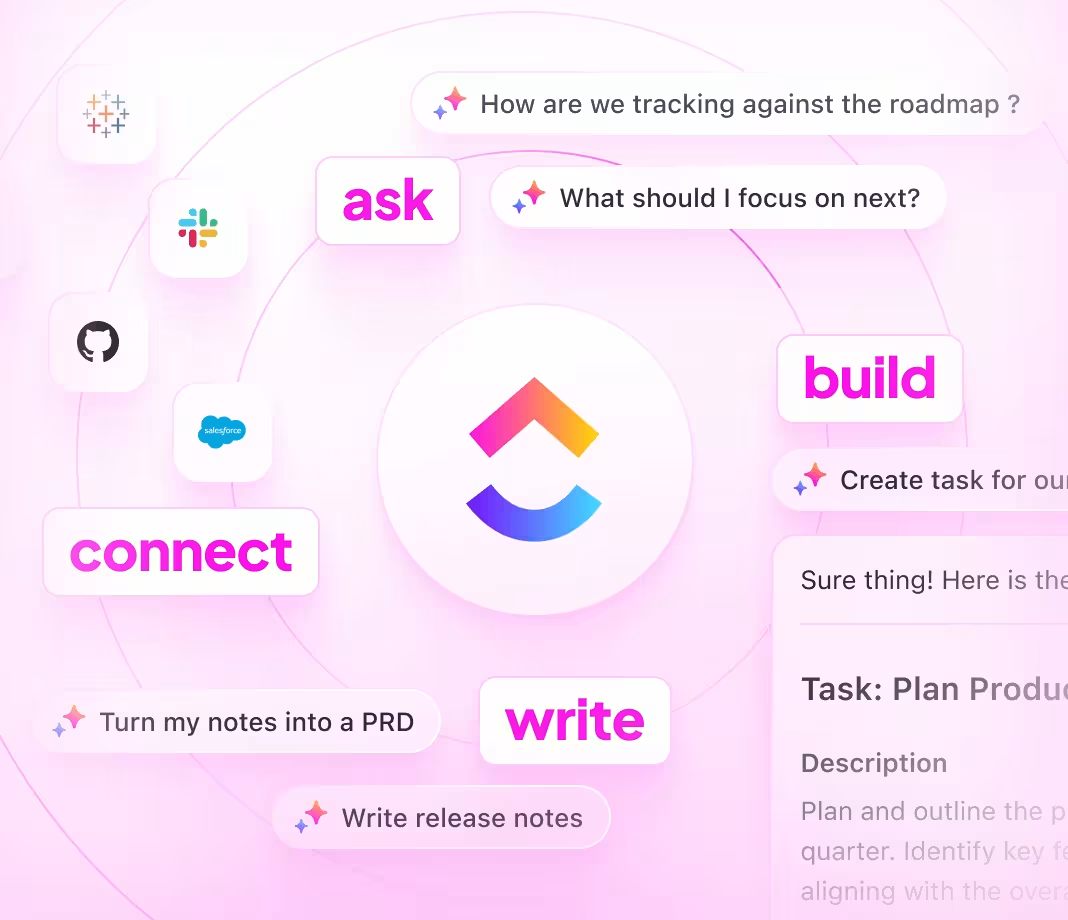
Unlock Efficiency with ClickUp for Serverless Knowledge
Maintain a cohesive knowledge base that evolves seamlessly with your serverless architecture and operational changes.
Structured Serverless Documentation Using ClickUp Docs
- Comprehensive sections for functions, event triggers, deployment, monitoring, and errors
- Intuitive table of contents and nested pages for effortless navigation
- Consistent templates applied across all serverless components
Why it matters: Your team finds accurate answers swiftly, reducing downtime and confusion.

Accountable Ownership and Tracking
- Convert documentation gaps into actionable tasks
- Assign owners, set deadlines, and schedule regular reviews
- Monitor documentation progress alongside serverless project workflows
Why it matters: Continuous ownership prevents knowledge gaps and documentation decay.

Documentation Aligned with Deployments and Incidents
- Link knowledge pages directly to serverless deployments, bug fixes, and incident retrospectives
- Keep documentation updates synchronized with system changes
- Capture feedback loops from support tickets and monitoring alerts
Why it matters: Your knowledge base stays relevant as your serverless environment evolves.

Common Questions About Building a Serverless Knowledge Base






