Root Cause Analysis Knowledge Hub
Build a Robust Knowledge Base for Root Cause Analysis
Create a centralized, searchable repository for incidents, causes, diagnostics, resolutions, and lessons learned—so your team uncovers issues faster and prevents recurrence.
 25,000+ reviews from
Trusted by the best
ClickUp vs Traditional Systems
Why ClickUp Excels for Root Cause Analysis Knowledge Bases
Unify knowledge and action in one scalable platform.
Conventional Root Cause Tools
- Incident data and knowledge are stored separately, causing delays
- Manual updates lead to outdated or incomplete root cause records
- No direct link between investigations and remediation tasks
- Fragmented access controls cause version confusion
- Entirely manual workflows slow resolution times
Using ClickUp for Root Cause Analysis
- Integrate incident records, investigations, and follow-up tasks in one workspace
- Automatically convert root cause insights into assigned action items
- Link knowledge base entries directly to incidents and corrective measures
- Granular permissions for internal teams, partners, and stakeholders
- AI-powered assistance accelerates documentation, summaries, and troubleshooting
Building Your Knowledge Base
Steps to Create an Effective Root Cause Analysis Knowledge Base
Follow this 6-step framework to keep your investigations organized, accessible, and actionable.
1. Identify stakeholders and define RCA knowledge objectives
- Clarify who will reference the knowledge base (engineers, operators, managers)
- Outline key RCA outcomes and documentation standards
- Assign ownership to ensure consistent upkeep
2. Design a clear, modular knowledge base structure
- Organize by incident types, root causes, corrective actions, and lessons learned
- Use nested docs and categories for easy navigation
- Incorporate changelogs and review histories
3. Standardize root cause documentation templates
- Use uniform formats capturing problem description, analysis steps, findings, and resolutions
- Include fields for timelines, impacted systems, and evidence
- Facilitate consistent entries that simplify reviews and audits
4. Incorporate practical troubleshooting and resolution guides
- Provide step-by-step diagnostics for common failure modes
- Document remediation procedures and verification tests
- Link to relevant monitoring dashboards and alerts
5. Keep knowledge current by syncing with incident management
- Connect documentation updates to incident closure, postmortem meetings, and change requests
- Embed RCA workflows within your release and operational cycles
- Ensure learnings drive continuous improvement
6. Manage access and maintain quality over time
- Set role-based permissions for internal teams, external auditors, and partners
- Schedule regular reviews and feedback sessions
- Track usage metrics to identify knowledge gaps
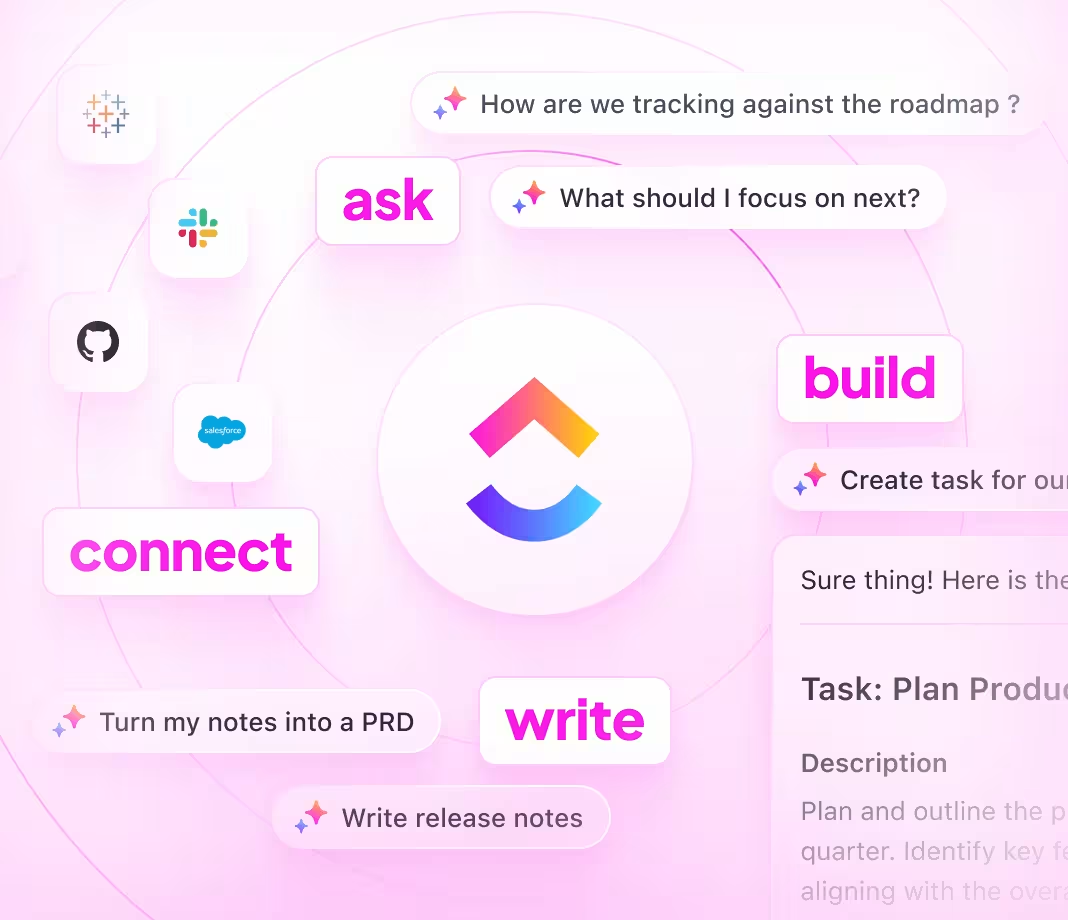
Centralized RCA Knowledge
How ClickUp Empowers Root Cause Analysis Knowledge Management
Keep investigations structured, assigned, and aligned with operational workflows to prevent repeat issues.
Organize
Structured RCA Documentation with ClickUp Docs
- Incident summaries, analysis reports, corrective actions, lessons learned
- Table of contents and subpages for intuitive navigation
- Consistent documentation templates for every investigation
Why it matters: Teams find insights quickly and reduce duplicated effort.

Assign
Trackable Ownership of RCA Knowledge
- Convert investigation gaps into actionable tasks
- Assign clear owners, deadlines, and review schedules
- Monitor documentation progress like any operational work
Why it matters: Accountability ensures your knowledge base stays current and reliable.

Connect
Link RCA Documentation with Incident Workflows
- Associate root cause records with incidents, change requests, and postmortems
- Connect feedback and support tickets to documentation
- Align RCA knowledge with operational processes
Why it matters: Documentation evolves alongside your systems, preventing knowledge silos.

ClickUp RCA Knowledge Base
Common Questions About Using ClickUp for Root Cause Analysis




SOC 2
CERTIFIED

ISO 27001
CERTIFIED

GDPR
COMPLIANT

HIPAA
COMPLIANT