Build a Dynamic Knowledge Base for Robotics Engineering
Create a centralized, searchable repository for designs, algorithms, hardware specs, troubleshooting, and version updates—empowering engineers with the latest insights at every step.
 25,000+ reviews from
Why ClickUp Outperforms Traditional Tools for Robotics Knowledge Management
Unify your engineering knowledge and project execution in one evolving platform.
Using traditional tools
- Robotics knowledge scattered across multiple platforms leads to outdated info
- Manual updates depend on memory and siloed communications
- Documentation disconnected from engineering workflows and hardware changes
- Restricted permissions cause duplicated records for different teams
- Entirely manual processes slow down knowledge upkeep and sharing
With ClickUp
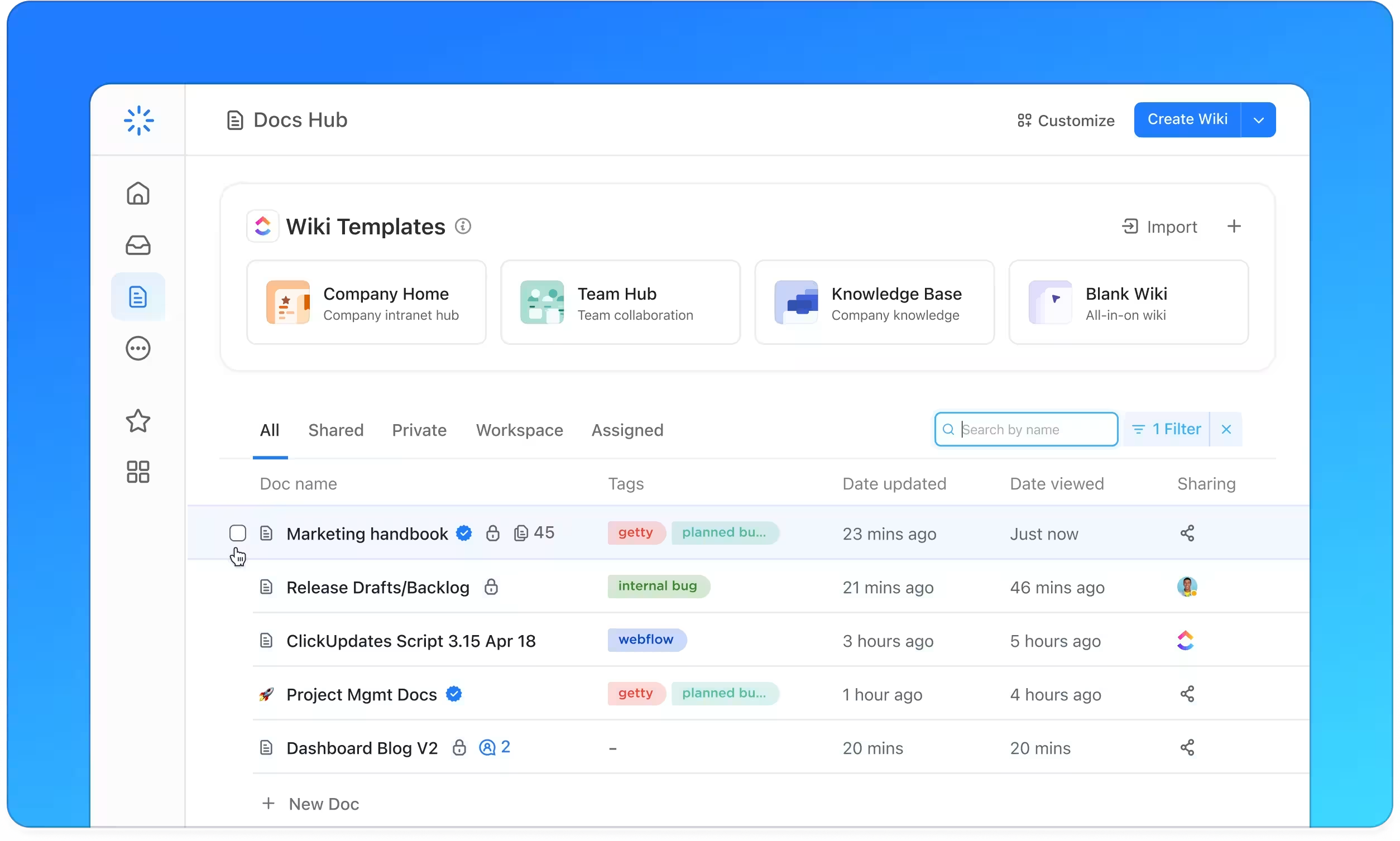
- Integrate documentation, tasks, and discussions in a single workspace
- Automatically transform knowledge gaps into assigned action items
- Link reference docs directly to engineering tasks, builds, and test results
- Granular access control for internal teams, partners, and external stakeholders
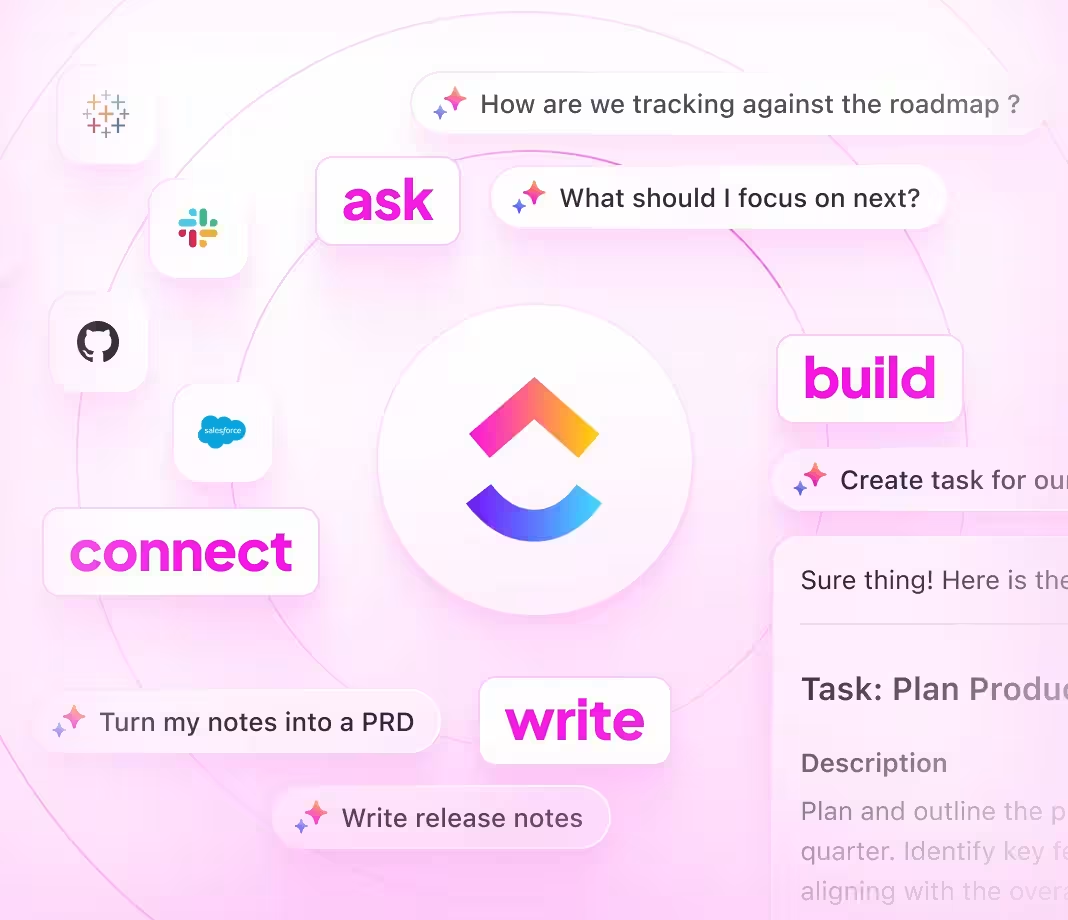
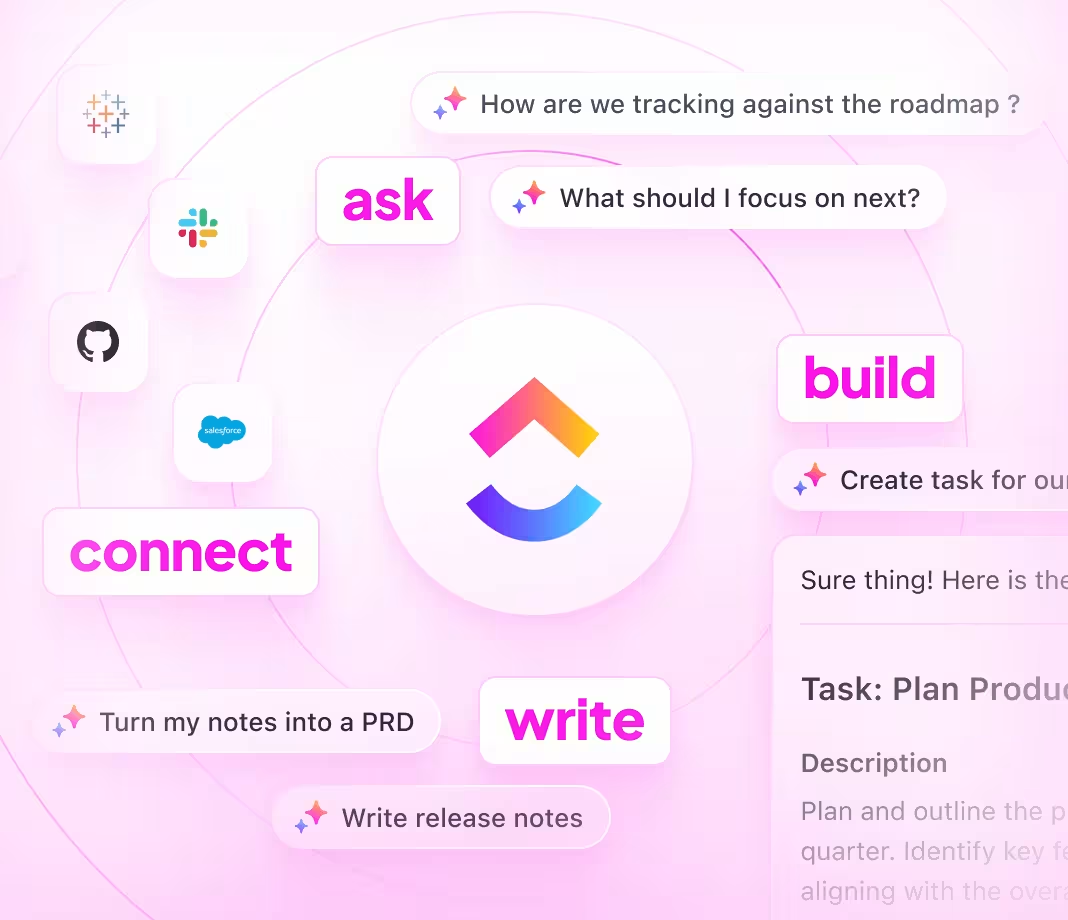
- AI-powered tools accelerate drafting, summarizing, and troubleshooting content
How to create a knowledge base tailored for robotics engineering
Follow this 6-step framework to organize, maintain, and evolve your robotics knowledge effectively.
1. Identify your robotics team's knowledge needs and goals
- Determine user roles from embedded engineers to system integrators
- Outline critical topics: hardware specs, control algorithms, diagnostics, and updates
- Assign ownership to ensure consistent, accurate content over time
2. Design a clear, navigable knowledge base structure
- Build a unified hub with intuitive navigation tailored to robotics workflows
- Include sections like system architecture, sensor interfaces, control loops, and maintenance
- Ensure changelogs and version histories are easy to access
3. Standardize documentation templates for hardware and software components
- Use consistent formats for mechanical designs, firmware specs, and test procedures
- Cover purpose, implementation details, calibration methods, and troubleshooting
- Document failure modes and mitigation strategies to reduce recurrent issues
4. Incorporate practical guides and problem-solving content
- Develop step-by-step integration tutorials for sensors and actuators
- Add diagnostic workflows for common hardware and software faults
- Centralize best practices for system calibration and safety checks
5. Keep the knowledge base aligned with project milestones and releases
- Link documentation updates to sprint deliveries, hardware revisions, and firmware releases
- Treat knowledge maintenance as part of your engineering cycle, not an afterthought
- Ensure the knowledge base evolves alongside your robotics systems
6. Manage permissions and continuous review processes
- Configure access for engineering, QA, partners, and external collaborators
- Maintain update logs, deprecation notices, and upgrade guides
- Collect feedback regularly to keep documentation relevant and accurate
How ClickUp supports your robotics knowledge base
Keep your engineering knowledge organized, assigned, and synchronized with every design iteration and test cycle.
Structured robotics documentation with ClickUp Docs
- Hardware specs, firmware details, control algorithms, and diagnostics
- Hierarchical navigation with tables of contents and nested pages
- Consistent template formats for each component and process
Why it matters: Engineers find critical information swiftly, reducing downtime and miscommunication.

Clear ownership and accountability
- Convert knowledge gaps into actionable tasks
- Assign content owners with defined review schedules
- Monitor documentation progress alongside engineering work
Why it matters: Ensures your knowledge base remains accurate and current through team accountability.

Documentation linked to engineering cycles
- Connect docs to design reviews, hardware revisions, firmware releases
- Associate bugs, test results, and incident reports with knowledge updates
- Incorporate feedback loops from field tests and support teams
Why it matters: Keeps documentation relevant as your robotics systems evolve and improve.

Common Questions About Building a Robotics Knowledge Base