
Craft a Robust Knowledge Base for Repository Structure Standards
Develop a unified, easy-to-navigate hub detailing folder hierarchies, naming conventions, branching strategies, and best practices—ensuring your development teams access the definitive guide every time.
 25,000+ reviews from
Why ClickUp Outperforms Traditional Tools for Repository Standards Knowledge Bases
Consolidate repository guidelines and workflows into one scalable platform.
When using legacy tools
- Standards scattered across emails, spreadsheets, and disconnected docs
- Updates depend on manual reminders and inconsistent follow-ups
- Lack of integration with development workflows causes misalignment
- Permissions complicate sharing, leading to multiple redundant copies
- Manual upkeep slows down onboarding and compliance
With ClickUp
- Repository standards integrated directly with project plans and tasks
- Convert documentation gaps into actionable tasks with owners
- Link standards to actual code branches, pull requests, and releases
- Granular access control for internal teams, partners, and external contributors
- AI-driven assistance accelerates document drafting, summarization, and updates
Steps to Build a Repository Structure Standards Knowledge Base
Follow this 6-step approach to create clear, maintainable, and accessible repository documentation.
1. Identify your audience and repository governance goals
- Define user roles: developers, QA, DevOps, and managers
- Outline key policies for branching, commits, and releases
- Assign responsibility for ongoing documentation upkeep
2. Develop a clear repository structure framework
- Create a central hub with intuitive navigation for folders, modules, and components
- Include sections on naming standards, branching models, and commit message conventions
- Highlight deprecation policies and migration paths
3. Standardize repository templates and guidelines
- Use uniform folder structures and branch naming rules across projects
- Provide templated examples for README, CONTRIBUTING, and issue templates
- Document error handling and merge conflict resolution practices
4. Integrate practical guides and troubleshooting advice
- Offer step-by-step instructions for common workflows like feature branching and hotfixes
- Include FAQs on merge conflicts, rebasing, and pull request reviews
- Centralize best practices for code reviews and CI/CD triggers
5. Synchronize repository docs with development milestones
- Link documentation updates to sprint planning, releases, and incident reports
- Treat repository standards as living documents evolving with the codebase
- Ensure developers view docs as part of the development lifecycle
6. Manage access and continuously improve the knowledge base
- Set permission levels for contributors, reviewers, and external stakeholders
- Collect feedback and schedule regular reviews to prevent documentation drift
- Leverage ClickUp Brain and Brain Max for automated content suggestions and updates
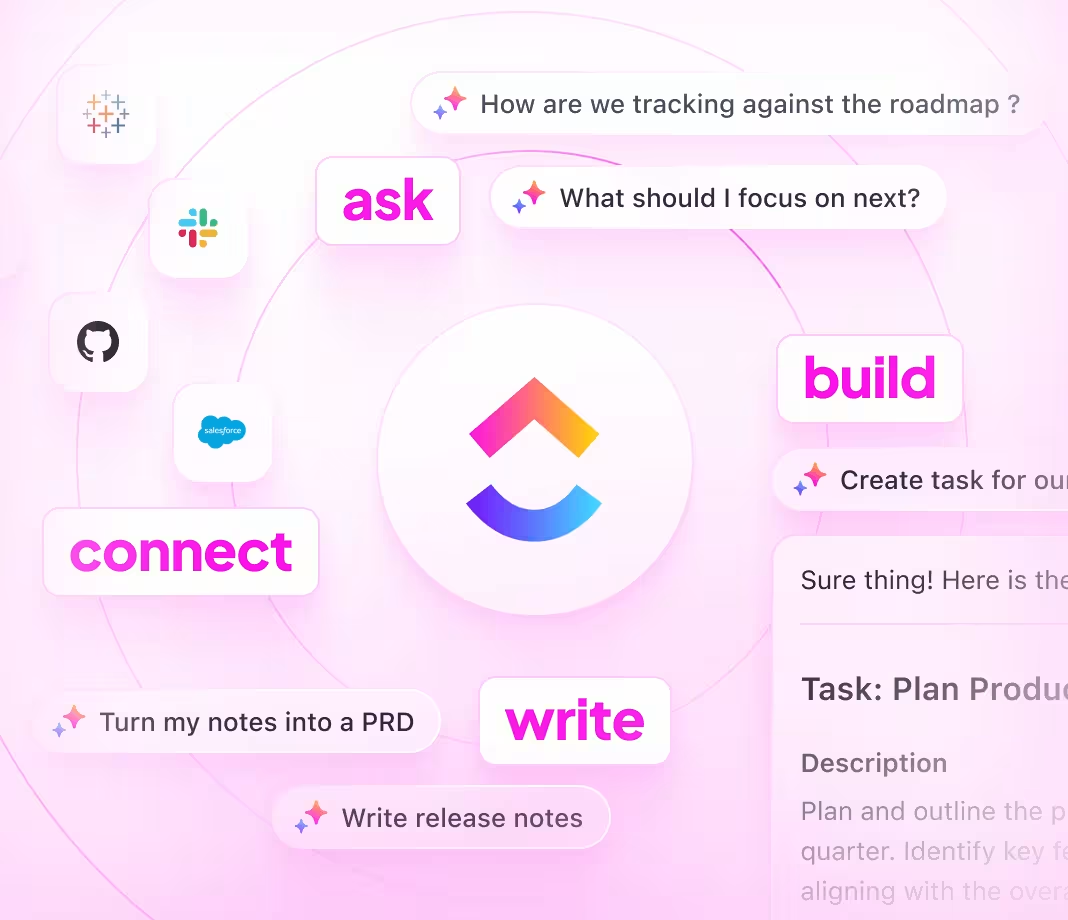
How ClickUp supports building a repository standards knowledge base
Ensure your repository structure documentation is standardized, continuously updated, and integrated with your development cycle.
Consistent Repository Documentation via ClickUp Docs
- Define folder hierarchies, naming conventions, branching strategies, and commit guidelines
- Utilize tables of contents and nested pages for seamless navigation
- Maintain uniform templates across repositories
Why it matters: Developers locate standards quickly, reducing errors and onboarding time.

Accountability Through Trackable Documentation Ownership
- Transform documentation gaps into actionable tasks
- Assign owners, set deadlines, and schedule periodic reviews
- Monitor progress alongside development initiatives
Why it matters: Your knowledge base remains accurate and reliable through clear ownership.

Connect Documentation to Development Cycles
- Link repository standards to code releases, pull requests, and incident retrospectives
- Integrate feedback loops from development and operations teams
- Keep documentation evolving with your software lifecycle
Why it matters: Documentation reflects the current codebase, minimizing confusion and errors.

Your Questions About Repository Structure Knowledge Bases Answered




