Build a Robust Knowledge Base for Release Management
Create a unified, searchable repository for release plans, change logs, deployment notes, rollback procedures, and incident resolutions—ensuring your team always accesses the latest, reliable information.
 25,000+ reviews from
Why ClickUp Transforms Your Release Management Knowledge Base
Centralize knowledge and execution with tools built for dynamic release workflows.
Using Traditional Release Tools
- Knowledge scattered across emails, spreadsheets, and static docs
- Manual updates cause outdated or inconsistent release information
- Disconnect between release notes and actual deployments
- Access controls often complex, leading to duplication
- Documentation is a separate, time-consuming task post-release
With ClickUp for Release Management
- Knowledge and task execution reside in one platform (Docs, tasks, comments)
- Instantly convert knowledge gaps into actionable tasks
- Link release notes directly to deployment workflows and incident reports
- Flexible permissions for internal teams, partners, and stakeholders
- AI-powered drafting, summarizing, and troubleshooting accelerate updates
How to create a release management knowledge base with ClickUp
Follow this 6-step framework to keep release information accurate, accessible, and actionable.
1. Identify key stakeholders and define release knowledge goals
- Determine who needs access: engineers, QA, product managers, support
- Outline critical knowledge areas: deployment steps, rollback plans, incident procedures
- Assign ownership to ensure knowledge accuracy
2. Design an intuitive knowledge base structure for release content
- Build a central hub with clear navigation for release cycles, notes, and post-release analysis
- Include essential sections: release schedules, change logs, deployment guides, incident reports
- Make rollback and contingency plans easy to locate
3. Standardize release documentation templates for consistency
- Use uniform formats for release notes, checklists, and incident summaries
- Capture key details: version, deployment date, impacted systems, risks
- Document rollback criteria and procedures clearly
4. Incorporate practical guides and troubleshooting resources
- Develop how-to documents for deployment and rollback tasks
- Record common release issues and remediation steps
- Centralize escalation paths and incident response protocols
5. Link knowledge base updates directly to release activities
- Connect documentation updates to release tasks, bug fixes, and postmortems
- Treat release knowledge as part of the deployment workflow, not an afterthought
- Ensure information evolves alongside your release process
6. Manage access and maintain the knowledge base diligently
- Set precise permissions for internal teams, partners, and external stakeholders
- Keep change logs, version histories, and audit trails up to date
- Solicit feedback regularly to refine content and usability
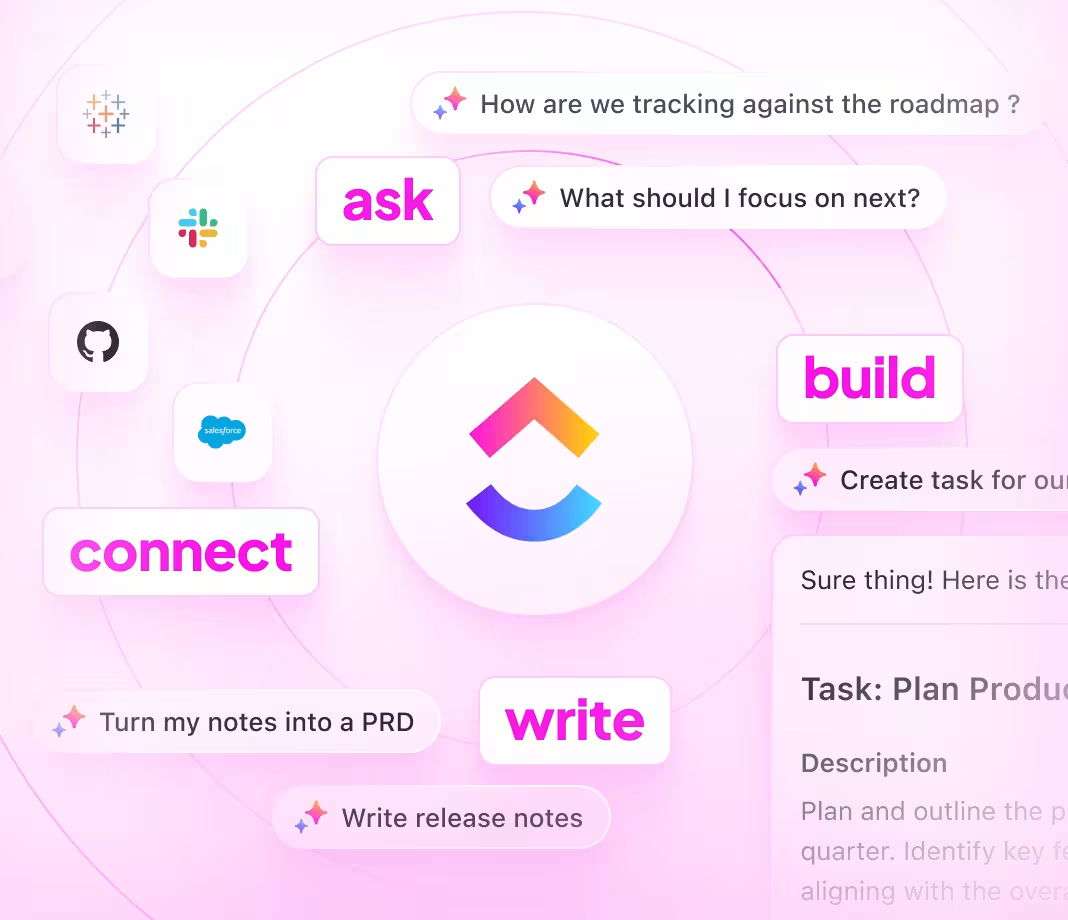
Unlock Seamless Release Knowledge Management with ClickUp
Keep release documentation organized, accountable, and aligned with every deployment cycle.
Structured Release Documentation with ClickUp Docs
- Release plans, deployment instructions, rollback procedures, incident reports
- Table of contents with nested pages for easy navigation
- Consistent templates for release notes and postmortem documentation
Why it matters: Teams find critical information fast, reducing deployment risks and downtime.

Clear Ownership and Progress Tracking
- Convert knowledge gaps into actionable tasks
- Assign owners with deadlines and review cycles
- Monitor documentation updates alongside release tasks
Why it matters: Accountability ensures your release knowledge base stays accurate and dependable.

Connect Documentation to Releases and Incidents
- Link docs directly to release tasks, bug reports, and incident logs
- Incorporate feedback and support issues into your knowledge base
- Maintain alignment between documentation and evolving release workflows
Why it matters: Documentation reflects real-world release activities, staying relevant and actionable.

Frequently Asked Questions






