
Records Management Knowledge Base
Build a Robust Knowledge Base for Records Management
Create a centralized, searchable hub for policies, retention schedules, compliance guidelines, and audit trails—ensuring your records are always organized and accessible.
 25,000+ reviews from
Trusted by the best
ClickUp vs Traditional Records Tools
Why ClickUp excels for records management knowledge bases
Unify your records and workflows in one scalable platform.
Traditional records management
- Records scattered across multiple systems causing silos
- Manual updates prone to errors and inconsistencies
- Compliance documents disconnected from operational processes
- Limited access controls leading to duplication and security risks
- Time-consuming manual tracking and auditing
With ClickUp Knowledge Base
- Centralize records, tasks, and compliance docs together
- Automate updates and link records to related workflows
- Manage permissions for compliance and confidentiality
- Leverage AI tools like ClickUp Brain and Brain Max to organize and summarize records
- Accelerate audits and reduce manual overhead
Steps for creating your records knowledge base
How to build a knowledge base tailored for records management
Follow this 6-step framework to keep records organized, compliant, and easy to retrieve.
1. Identify your records categories and compliance requirements
- Define types of records (financial, legal, personnel, etc.)
- Map applicable retention and access policies
- Assign owners responsible for each category
2. Design a clear knowledge base structure for records
- Develop a hierarchical hub with folders for policies, schedules, and records
- Include sections for audit logs, change history, and access controls
- Ensure easy navigation for all stakeholders
3. Standardize record entry templates for consistency
- Create uniform templates capturing metadata, retention dates, and classification
- Use consistent tagging and naming conventions
- Facilitate searching and filtering across records
4. Document procedures and troubleshooting for records handling
- Add how-to guides for record creation, updates, and disposal
- Include compliance checklists and audit procedures
- Centralize FAQs and escalation paths
5. Link records and documentation to workflows and audits
- Connect record updates to tasks and compliance reviews
- Tie audit trails and incident reports directly to relevant documents
- Use ClickUp 4.0 features to track changes in real time
6. Manage access and continuously maintain your knowledge base
- Set granular permissions for internal and external users
- Regularly review and update retention policies
- Collect feedback and automate reminders with Brain Max
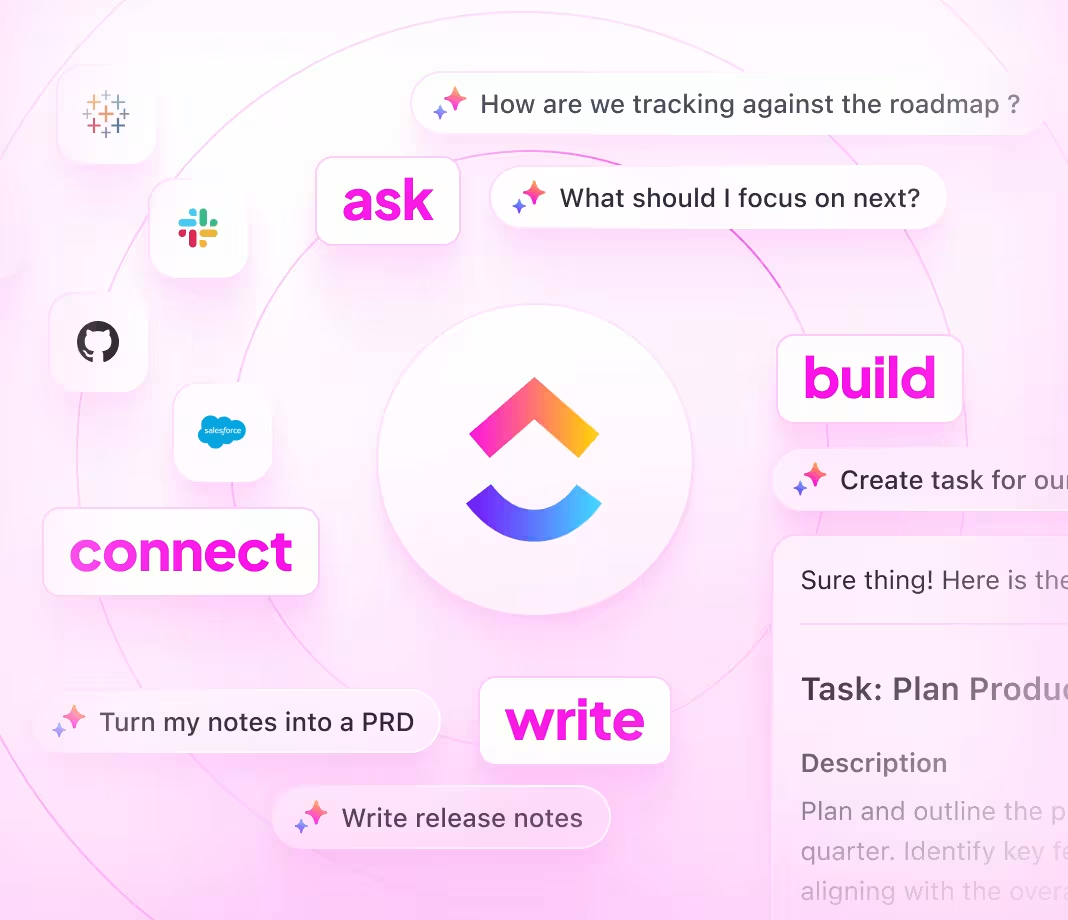
Why Choose ClickUp?
Unlock the power of ClickUp for records management knowledge bases
Ensure your records knowledge base is structured, monitored, and aligned with organizational policies—backed by AI capabilities like ClickUp Brain and Brain Max.
Organization
Structured Records Management with ClickUp Docs
- Organize policies, schedules, and records in intuitive folders
- Use tables of contents and nested pages for quick navigation
- Implement consistent templates for every record type
Why it matters: Find critical records instantly and reduce compliance risks.

Accountability
Clear Ownership and Tracking of Records
- Assign responsible owners and due dates for record reviews
- Convert gaps in documentation into actionable tasks
- Monitor progress with real-time updates and reminders
Why it matters: Keeps your knowledge base accurate and audit-ready through accountability.

Integration
Link Records to Workflows and Compliance Events
- Connect records to operational tasks, audits, and incident reports
- Use ClickUp 4.0 to synchronize documentation with organizational changes
- Capture feedback and compliance notes within the knowledge base
Why it matters: Keeps records relevant and aligned with day-to-day operations.

Records Management Knowledge Base FAQs
Your questions about building records knowledge bases with ClickUp


SOC 2
CERTIFIED

ISO 27001
CERTIFIED

GDPR
COMPLIANT

HIPAA
COMPLIANT