Optimize Query Performance with ClickUp
Build a Centralized Knowledge Base for Query Performance Optimization
Create a unified, searchable platform for query tuning techniques, execution plans, bottleneck analysis, and troubleshooting—so your team can swiftly resolve performance issues and enhance database efficiency.
 25,000+ reviews from
Trusted by the best
ClickUp vs Conventional Solutions
Why ClickUp Transforms Query Performance Optimization Knowledge Management
Develop a single source of truth that grows with your database team.
Using Conventional Tools
- Performance insights scattered across multiple platforms, leading to outdated information
- Reliance on manual updates and memory to track changes
- Disconnected documentation from actual query execution and tuning efforts
- Access controls force duplication for different user groups
- Entirely manual processes increase time to update and maintain
Using ClickUp for Query Optimization
- Integrate knowledge and action with Docs, tasks, and comments in one workspace
- Transform documentation gaps into assigned tasks for continuous improvement
- Link knowledge base entries directly to query executions, tuning sessions, and incidents
- Granular permissions for internal teams, partners, and stakeholders
- AI-driven features accelerate content creation, summarization, and troubleshooting
Building Your Knowledge Base
How to Create a Knowledge Base for Query Performance Optimization
Follow these 6 steps to ensure your knowledge base is comprehensive, organized, and actionable.
1. Identify your target users and optimization objectives
- Determine who will use the knowledge base (DBAs, developers, analysts)
- Define key goals such as reducing query latency or improving index usage
- Assign ownership to maintain content accuracy over time
2. Design a clear and intuitive knowledge base structure
- Create a centralized hub with easy navigation tailored to query performance topics
- Include core areas like query plans, indexing strategies, common bottlenecks, and metrics
- Ensure changelogs and tuning history are accessible
3. Standardize documentation templates for query analysis
- Use uniform formats for query case studies covering context, execution details, and resolution steps
- Document index recommendations, parameter sniffing issues, and plan stability
- Include troubleshooting workflows to minimize repetitive issues
4. Incorporate practical guides and diagnostic procedures
- Develop step-by-step instructions for common optimization tasks
- Add troubleshooting protocols for slow queries and resource contention
- Centralize monitoring tool usage, alert definitions, and best practices
5. Keep the knowledge base current by linking it to performance reviews and changes
- Connect documentation updates to query tuning activities, schema changes, and incident reports
- Integrate knowledge management into regular performance maintenance cycles
- Maintain accuracy as database workloads evolve
6. Control access and continuously improve the knowledge base
- Set permissions for internal teams, external consultants, and stakeholders
- Manage versioning, deprecations, and migration notes
- Gather feedback and schedule periodic reviews to prevent knowledge decay
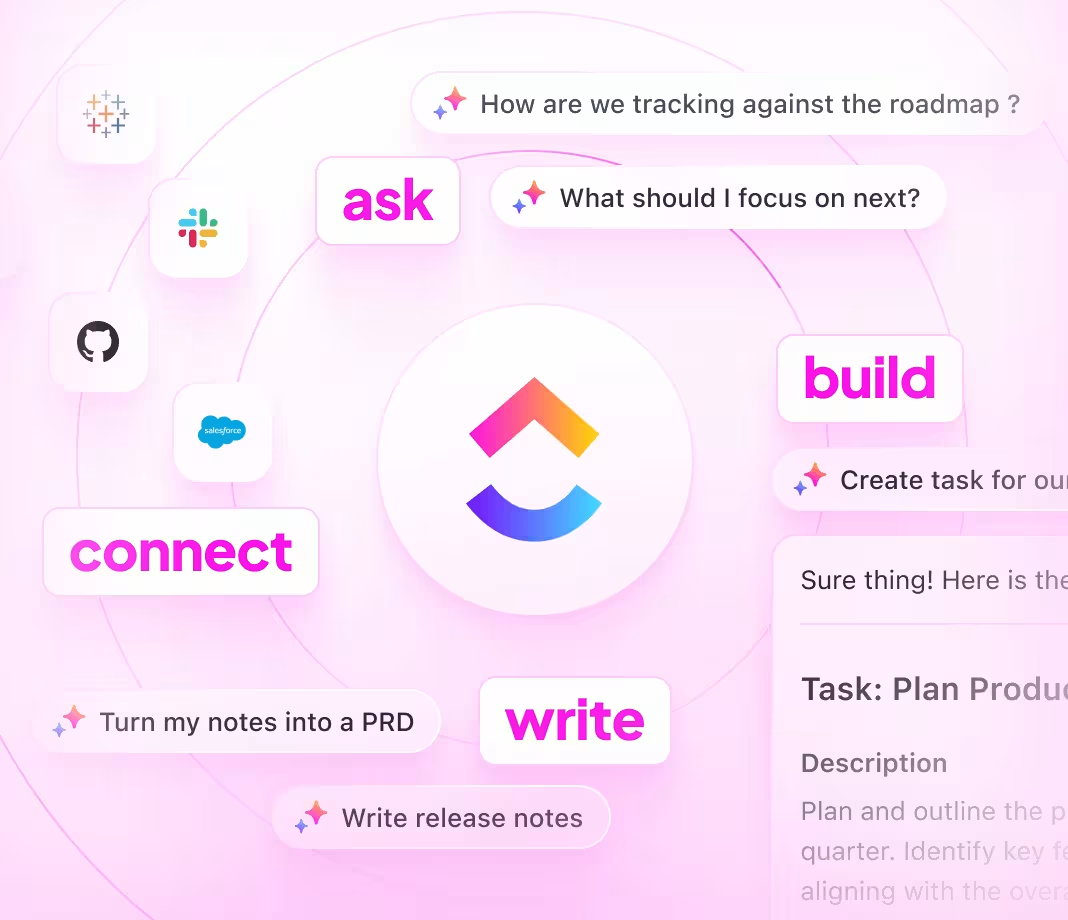
Role of ClickUp Knowledge Base
How ClickUp Empowers Efficient Query Performance Knowledge Management
Ensure your database documentation is organized, owned, and aligned with every tuning cycle.
Organize
Structured Query Optimization Documentation with ClickUp Docs
- Sections like Query Plans, Indexing, Execution Statistics, and Bottleneck Analysis
- Table of contents with nested pages for easy navigation
- Consistent template use for documenting query cases
Why it matters: Quickly locate insights and reduce back-and-forth during troubleshooting.

Accountability
Trackable Documentation Ownership and Updates
- Convert missing knowledge into actionable tasks
- Assign owners, due dates, and review schedules
- Monitor documentation progress alongside query tuning projects
Why it matters: Keeps your knowledge base reliable and up to date.

Integrate
Documentation Linked to Query Performance Changes
- Connect docs to tuning sessions, schema modifications, and incident analyses
- Align knowledge updates with database release cycles
- Incorporate feedback and support tickets to refine documentation
Why it matters: Ensures documentation reflects the current state of your database environment.

ClickUp for Query Performance Knowledge Base
Common Questions Answered




SOC 2
CERTIFIED

ISO 27001
CERTIFIED

GDPR
COMPLIANT

HIPAA
COMPLIANT