
Quality Control Circles Knowledge Hub
Build a Centralized Knowledge Base for Quality Control Circles
Create a unified, searchable repository for procedures, best practices, meeting notes, and improvement initiatives—ensuring your QC circles have instant access to accurate, actionable insights.
 25,000+ reviews from
Trusted by the best
ClickUp vs Traditional Methods
Why ClickUp Outperforms Legacy Tools for QC Circle Knowledge Management
Centralize knowledge and execution to empower continuous quality improvements.
Traditional QC Circle Tools
- Documentation scattered across multiple platforms leading to inconsistencies
- Manual updates rely heavily on memory and delayed follow-ups
- Limited integration with ongoing quality initiatives
- Access controls often require duplicate records for different teams
- Time-consuming creation and maintenance processes
Leveraging ClickUp for QC Circles
- Integrated Docs, tasks, and comments keep knowledge and action tightly linked
- Identify and assign follow-up tasks directly from documentation gaps
- Connect knowledge base to real-time quality projects and incident reports
- Granular permissions support internal, partner, and public knowledge sharing
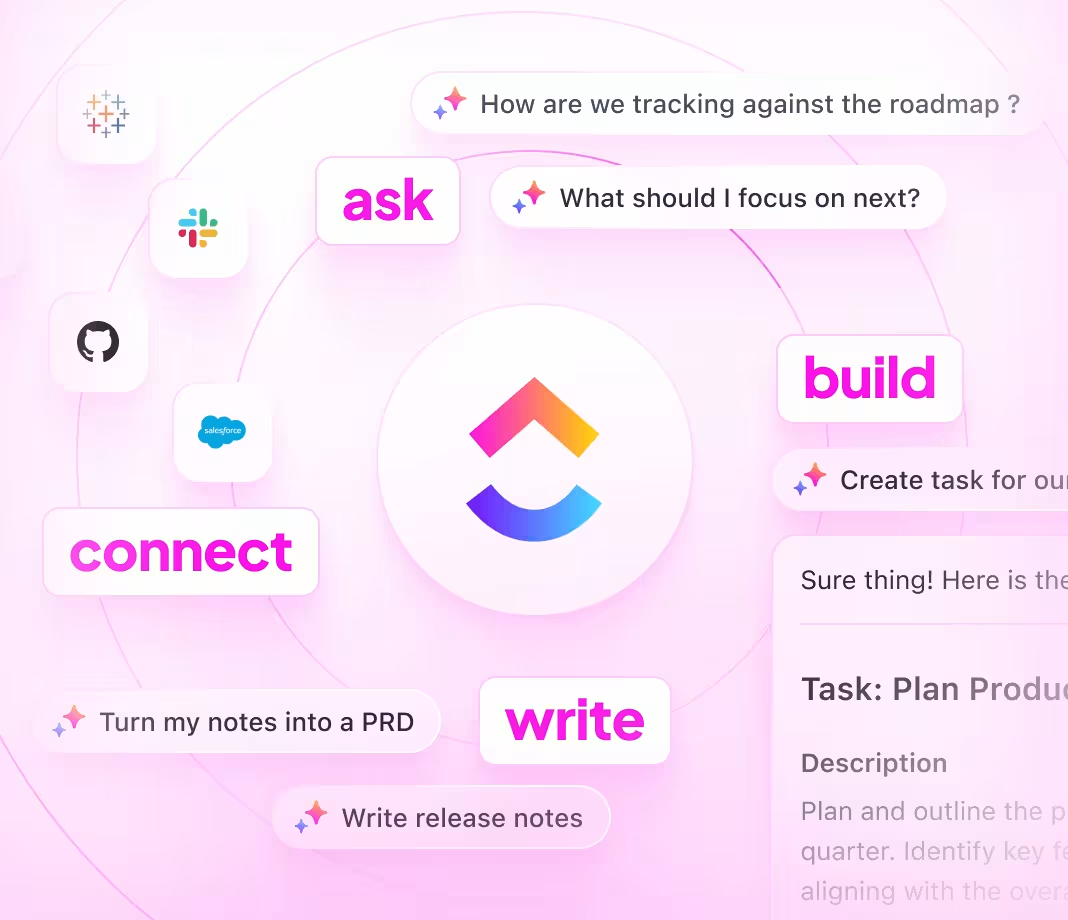
- AI-powered features accelerate content creation, summarization, and troubleshooting
Building Your QC Circle Knowledge Base
6 Essential Steps to Develop a Quality Control Circles Knowledge Repository
Implement this proven framework to keep your QC knowledge organized, accessible, and continuously improving.
1. Define stakeholders and knowledge objectives
- Identify QC circle members and relevant departments
- Clarify objectives for knowledge sharing and quality tracking
- Assign responsibility for content ownership and updates
2. Design a clear knowledge base framework
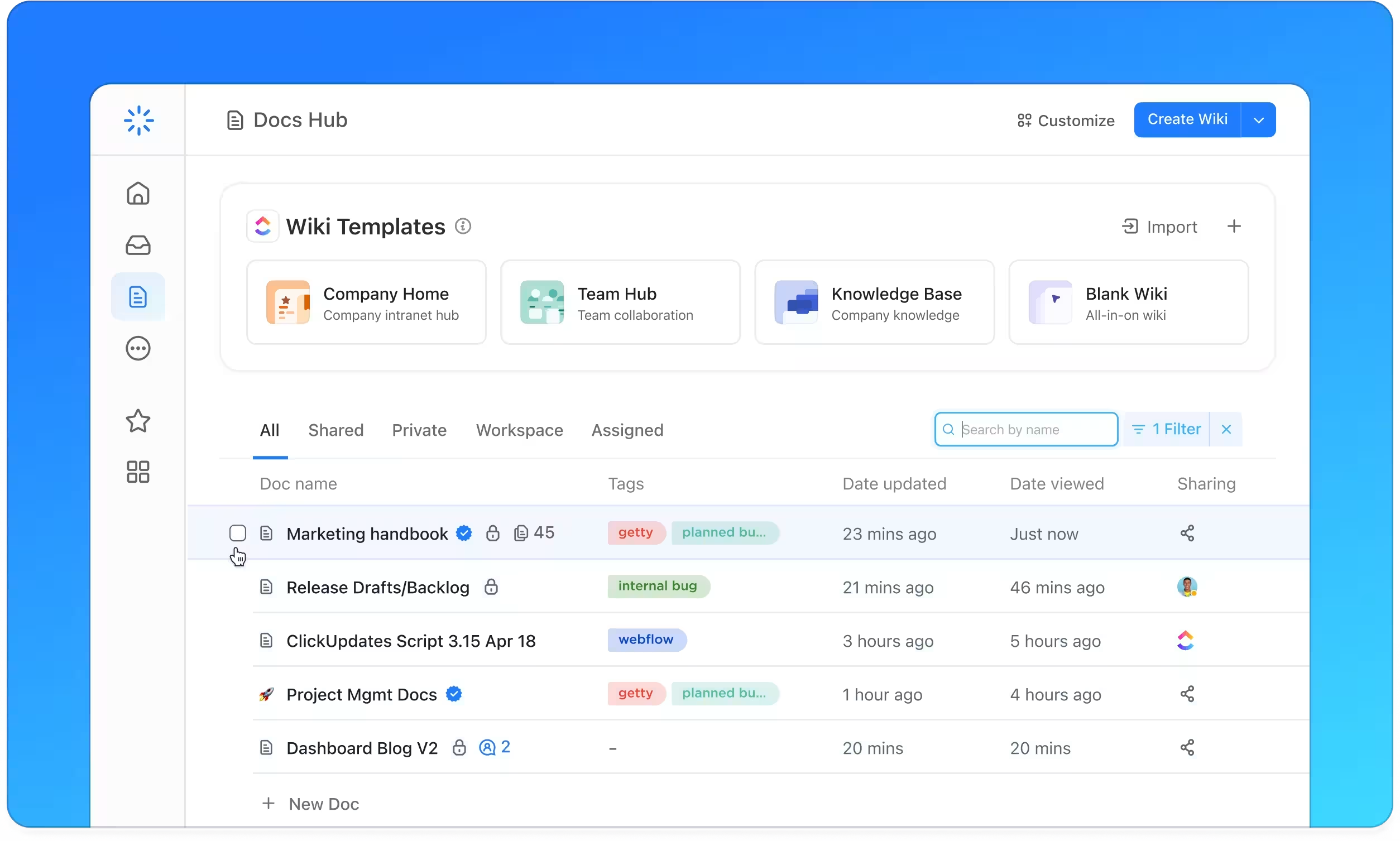
- Structure your hub with sections for procedures, meeting minutes, improvement plans, and metrics
- Use clear navigation with subpages for specific processes and projects
- Include changelogs and historical data for transparency
3. Standardize documentation templates and formats
- Create uniform templates for reporting defects, root cause analyses, and action plans
- Ensure consistency to reduce miscommunication and promote best practices
- Cover critical elements such as problem statements, data, corrective actions, and results
4. Incorporate practical guides and troubleshooting resources
- Develop how-to guides for QC tools and methodologies (e.g., PDCA, Fishbone diagrams)
- Document common challenges and resolution strategies
- Centralize resources like audit checklists and quality standards
5. Link knowledge updates to quality improvement cycles
- Connect documentation changes to QC circle meetings, audits, and project milestones
- Treat knowledge management as an integral part of continuous improvement
- Keep all materials current as processes evolve
6. Manage access and maintain ongoing review processes
- Control permissions for internal teams, external partners, and management
- Schedule regular reviews to ensure accuracy and relevance
- Gather feedback to refine content and address emerging issues
Harnessing ClickUp for QC Circle Success
Unlock Quality Control Excellence with ClickUp’s Knowledge Base
Centralize QC documentation, streamline ownership, and align knowledge with every improvement cycle.
Organize
Structured Knowledge Management with ClickUp Docs
- Procedures, Meeting Notes, Improvement Plans, Metrics
- Table of contents with nested subpages for easy navigation
- Standardized documentation templates for consistency
Why it matters: Teams access critical information quickly, reducing delays and errors.

Accountability
Ownership and Progress Tracking for QC Documentation
- Convert documentation gaps into actionable tasks
- Assign owners, set deadlines, and schedule review cycles
- Monitor documentation status alongside quality initiatives
Why it matters: Knowledge base accuracy improves as teams take responsibility.

Integration
Documentation Aligned with Quality Improvement Cycles
- Link documents to QC circle meetings, audits, and corrective action plans
- Connect issues, root cause analyses, and follow-ups
- Incorporate feedback from stakeholders directly into documentation
Why it matters: Knowledge remains relevant and supports continuous quality enhancement.

ClickUp Knowledge Base for Quality Control Circles
Common Questions About QC Circle Knowledge Management with ClickUp
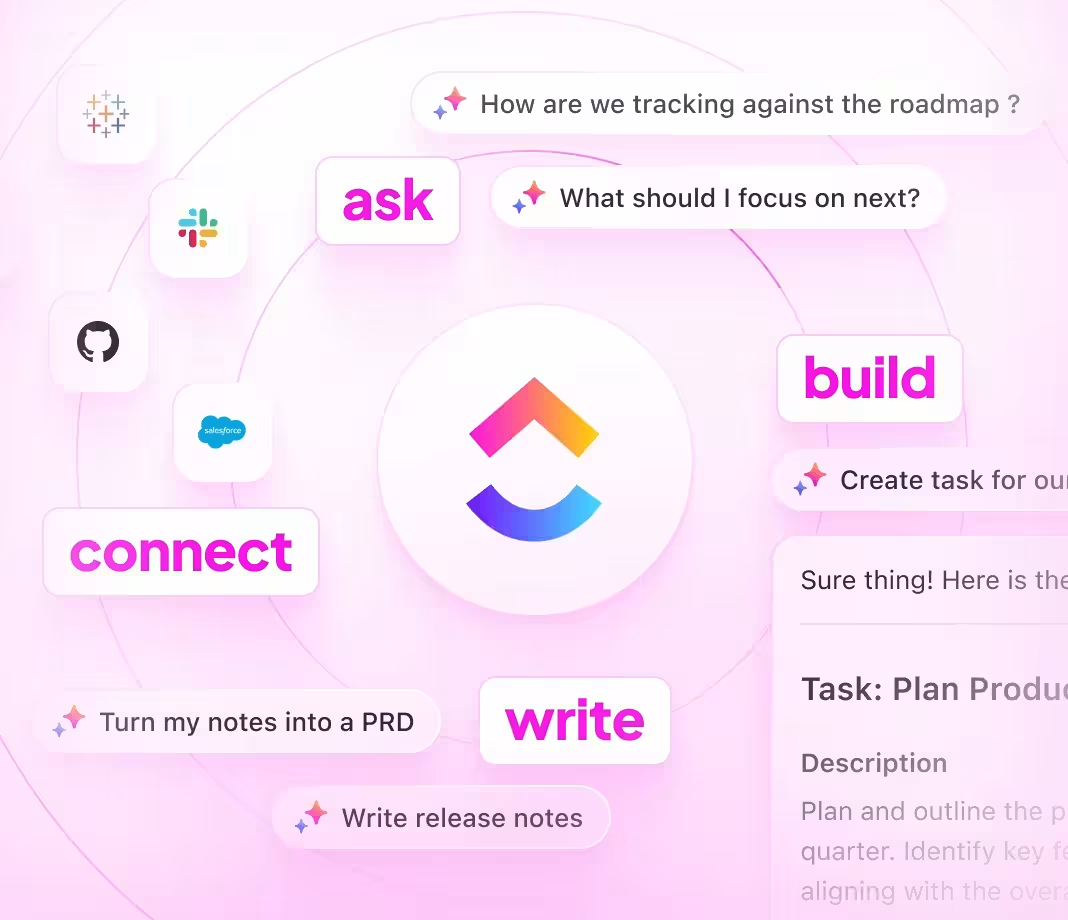


SOC 2
CERTIFIED

ISO 27001
CERTIFIED

GDPR
COMPLIANT

HIPAA
COMPLIANT