
Knowledge Base for Qualitative Data Analysis Workflows
Streamline Your Qualitative Data Analysis Knowledge Hub
Create a centralized, searchable repository for methodologies, coding schemes, interview guides, and analytic frameworks—so your team accesses accurate insights without delay.
 25,000+ reviews from
Trusted by the best
ClickUp vs Traditional Tools
Why ClickUp Elevates Qualitative Data Analysis Knowledge Management
Unify research insights and workflows in a dynamic knowledge hub.
With traditional tools
- Data analysis notes scattered across disconnected platforms
- Manual updates cause version control issues
- Research findings siloed from project tasks
- Access controls lead to duplicated documents
- Documentation upkeep consumes excessive time
With ClickUp
- Integrate Docs, tasks, and comments in one workspace
- Automate updates with AI-powered summaries and task creation
- Link qualitative insights directly to analysis workflows
- Granular permission settings for researchers and stakeholders
- Accelerate knowledge capture and sharing using ClickUp Brain and Brain Max
Building Your Knowledge Base
How to assemble a knowledge base for qualitative data analysis workflows
Follow this 6-step approach to maintain a comprehensive, accessible, and evolving research knowledge hub.
1. Define research scope and knowledge base objectives
- Identify key qualitative methods and data sources
- Outline goals for documentation accessibility and usability
- Assign team members for content ownership and updates
2. Design an intuitive knowledge base architecture
- Organize by research phases: data collection, coding, analysis, reporting
- Include sections for methodologies, interview protocols, and thematic catalogs
- Ensure easy navigation with clear tables of contents and subpages
3. Standardize documentation templates for consistency
- Create uniform templates for coding schemes, memos, and analysis notes
- Document procedures, criteria, and decisions systematically
- Facilitate cross-study comparison and knowledge transfer
4. Enrich with practical guides and troubleshooting tips
- Develop how-to content for software tools and coding techniques
- Include FAQs, common challenges, and best practices
- Provide examples of data interpretation and theme development
5. Connect knowledge updates to project milestones
- Link documentation revisions to research phases and deliverables
- Use ClickUp 4.0 features to track changes and feedback
- Maintain alignment between qualitative insights and ongoing analyses
6. Secure knowledge sharing and continuous improvement
- Set permissions for internal teams, collaborators, and external reviewers
- Regularly review and update content with Brain Max AI assistance
- Collect feedback to enhance clarity and relevance over time
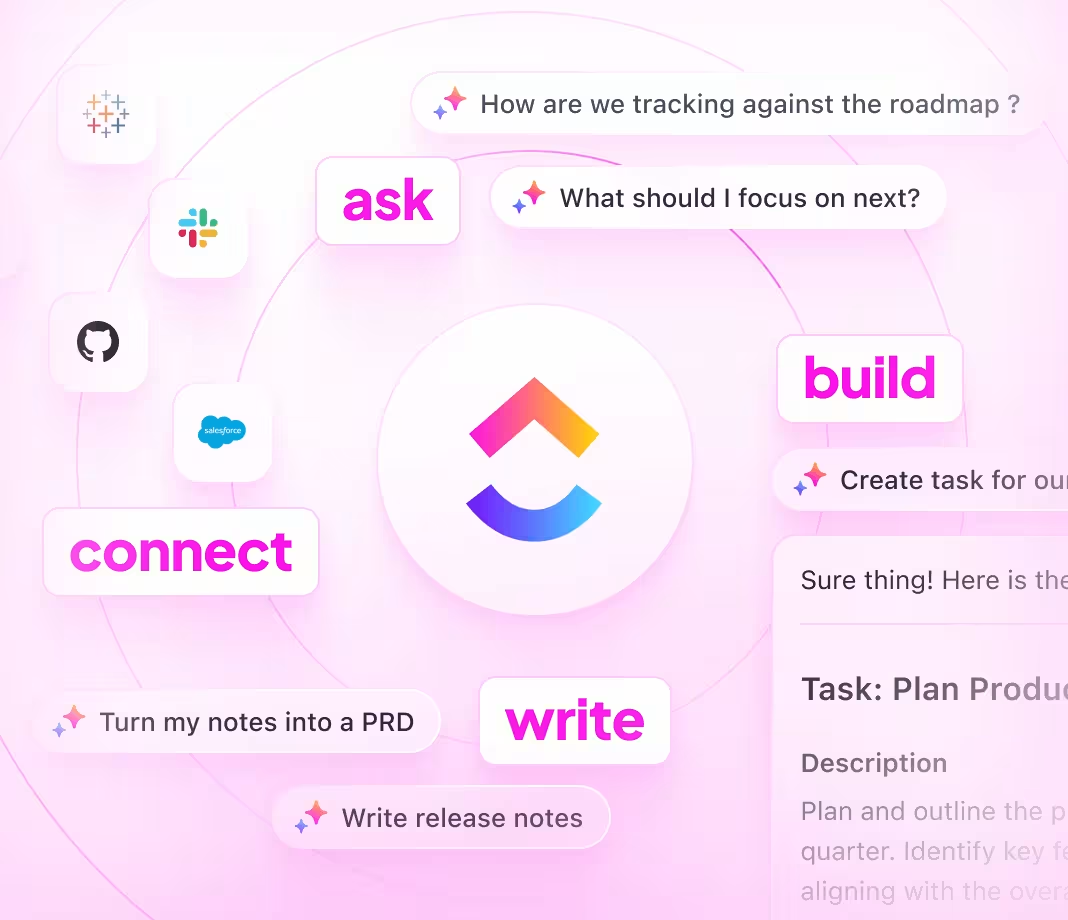
Leveraging ClickUp’s Knowledge Base Capabilities
Unlock the Power of ClickUp for Qualitative Data Analysis Knowledge
Ensure your qualitative research documentation is organized, attributed, and synchronized with your workflow milestones.
Organize
Structured Research Documentation with ClickUp Docs
- Sections for study design, participant profiles, coding manuals, and thematic maps
- Table of contents combined with nested subpages for seamless navigation
- Consistent templates for memos and codebooks
Why it matters: Researchers locate essential information quickly, reducing delays and errors.

Manage
Ownership and Accountability with Trackable Updates
- Convert documentation gaps into actionable tasks
- Assign authors, reviewers, and set deadlines
- Monitor documentation progress alongside project work
Why it matters: The knowledge base remains accurate and reliable, driven by clear responsibility.

Integrate
Documentation Aligned with Research Milestones
- Link knowledge base updates to study phases and data analysis cycles
- Connect documentation to coding reviews, data audits, and report drafts
- Incorporate feedback loops from team discussions and Brain insights
Why it matters: Your knowledge hub evolves in sync with your qualitative research journey.

ClickUp Knowledge Base for Qualitative Data Analysis
Common Questions Answered


SOC 2
CERTIFIED

ISO 27001
CERTIFIED

GDPR
COMPLIANT

HIPAA
COMPLIANT