Centralized Product Feedback Knowledge Hub
Build a Comprehensive Knowledge Base for Product Feedback Repository
Create a unified, searchable space for collecting, organizing, and analyzing product feedback—empowering your team to deliver customer-driven improvements efficiently.
 25,000+ reviews from
Trusted by the best
ClickUp vs Traditional Feedback Tools
Why ClickUp Excels for a Product Feedback Repository Knowledge Base
Unify feedback and action in a single, scalable platform.
Traditional Feedback Systems
- Feedback scattered across emails, spreadsheets, and chats
- Manual tracking leads to lost or outdated insights
- Lack of integration with product development workflows
- Limited permissions cause redundant data copies
- Time-consuming updates and follow-ups
Using ClickUp for Feedback Management
- Consolidate feedback with tasks, comments, and Docs in one place
- Automate feedback triage and assignment with ClickUp Brain and AI
- Link feedback to feature requests, bugs, and releases seamlessly
- Granular access controls for internal teams and stakeholders
- Accelerate feedback processing with ClickUp 4.0 and Brain Max capabilities
Building Your Feedback Knowledge Base
Steps to Create a Product Feedback Repository Knowledge Base
Follow these 6 steps to capture, organize, and act on product feedback efficiently.
1. Identify your feedback sources and objectives
- Determine channels generating feedback (surveys, support, social, etc.)
- Define goals: trend analysis, feature prioritization, user sentiment
- Assign ownership for continuous knowledge base management
2. Design a clear, navigable feedback knowledge base structure
- Build a centralized hub with categories like feature requests, bugs, and usability insights
- Use tags and custom fields for easy filtering
- Establish workflows for feedback status and resolution
3. Standardize feedback entry and documentation
- Create templates for consistent feedback capture
- Include context: user details, product area, impact, and priority
- Document follow-up actions and outcomes
4. Incorporate actionable analysis and troubleshooting content
- Develop guides for interpreting feedback trends
- Document common issues and resolutions
- Provide best practices for cross-team collaboration
5. Keep feedback knowledge base current by linking to product lifecycle stages
- Connect feedback items to development tasks, sprints, and releases
- Monitor progress and update statuses in real-time
- Treat the knowledge base as a living document supporting product evolution
6. Control access and foster continuous improvement
- Set permissions for internal teams, executives, and partners
- Collect feedback on the knowledge base itself
- Schedule regular reviews to maintain relevance and accuracy
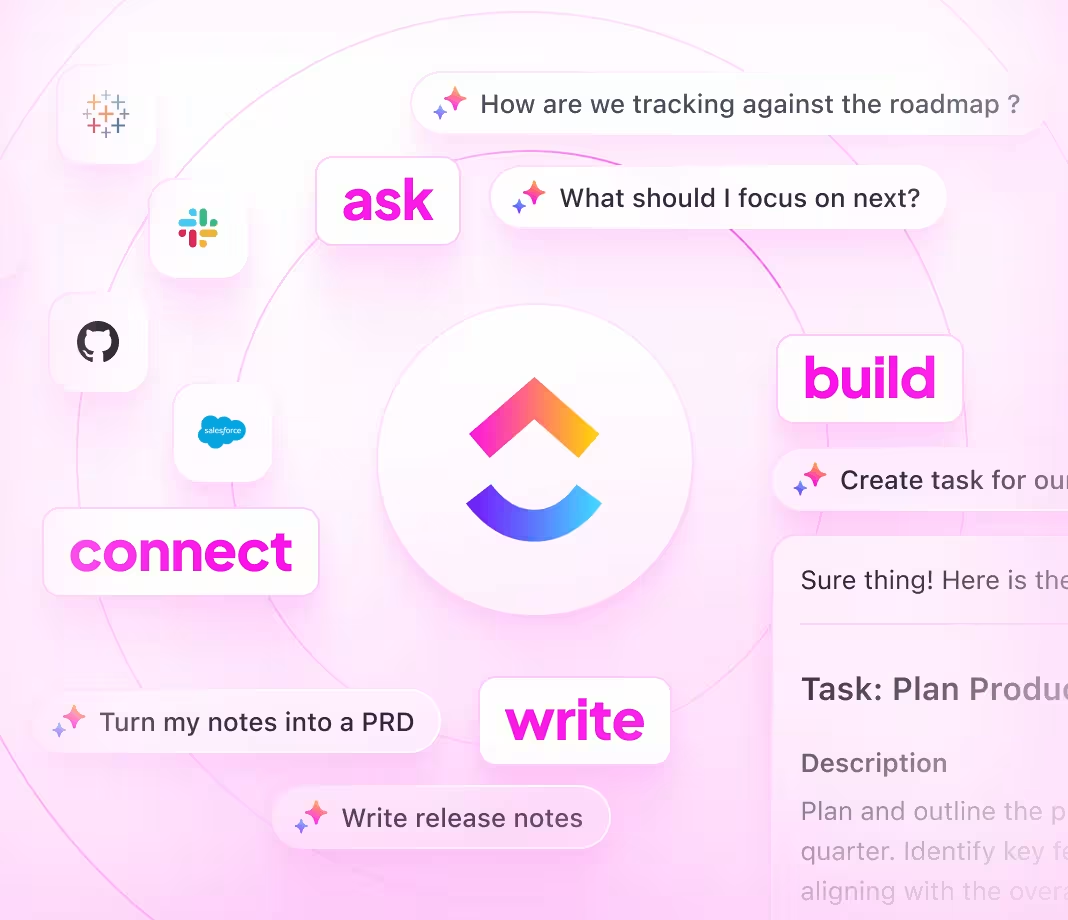
Leveraging ClickUp Features
Unlock the Power of ClickUp for Your Product Feedback Knowledge Base
Maintain a dynamic, owned, and collaborative feedback repository that evolves with your product.
Organize
Structured Feedback Management with ClickUp Docs
- Centralize feedback categories: feature requests, bugs, enhancements
- Use nested Docs and linked tasks for clarity
- Consistent templates for feedback capture
Why it matters: Teams find and address feedback faster with organized, accessible data.

Assign
Accountability Through Trackable Feedback Ownership
- Convert feedback into actionable tasks
- Assign owners, set priorities, and define review cycles
- Monitor feedback progress alongside product development
Why it matters: Ensures feedback is addressed promptly and transparently.

Connect
Integrate Feedback with Product Releases and Updates
- Link feedback items directly to features, bugs, and releases
- Track resolution status and impact
- Tie user insights to product decisions
Why it matters: Keeps the feedback loop tight and product improvements aligned with user needs.

ClickUp for Product Feedback Repository
Common Questions About Building a Feedback Knowledge Base




SOC 2
CERTIFIED

ISO 27001
CERTIFIED

GDPR
COMPLIANT

HIPAA
COMPLIANT