Predictive Maintenance Knowledge Hub
Build a Dynamic Knowledge Base for Predictive Maintenance
Centralize your machine data, maintenance protocols, failure patterns, and analytics insights—so your team always accesses the most current predictive maintenance intelligence.
 25,000+ reviews from
Trusted by the best
ClickUp vs Legacy Systems
Why ClickUp Outperforms Traditional Predictive Maintenance Tools
Unify knowledge and action in a single platform that evolves with your operations.
With traditional tools
- Maintenance data scattered across disconnected systems
- Manual updates lead to outdated insights
- Limited integration between knowledge and maintenance execution
- Complex permissions cause duplication and confusion
- Time-consuming documentation and slow response to equipment issues
With ClickUp
- Integrated knowledge base linked directly to maintenance tasks and alerts
- Transform knowledge gaps into actionable assignments
- Real-time updates connected to sensor data and maintenance logs
- Flexible access controls for internal teams and external partners
- AI-powered features accelerate documentation, diagnostics, and predictive analytics
Blueprint for your knowledge base
How to Build a Knowledge Base for Predictive Maintenance
Follow these 6 steps to create a centralized, searchable, and evolving predictive maintenance resource.
1. Identify stakeholders and define maintenance knowledge objectives
- Determine who will use the knowledge base (technicians, engineers, managers)
- Clarify goals such as reducing downtime or improving fault prediction
- Assign responsibility for content accuracy and updates
2. Design a clear structure tailored to predictive maintenance
- Organize sections for equipment profiles, sensor data interpretation, failure modes, and corrective actions
- Create intuitive navigation for quick information retrieval
- Include changelogs for maintenance procedure updates
3. Standardize documentation templates for equipment and faults
- Use consistent formats covering symptoms, diagnostics, repair steps, and safety precautions
- Ensure uniformity for easier training and knowledge transfer
- Incorporate examples and case studies to clarify complex issues
4. Integrate troubleshooting guides and predictive analytics insights
- Develop step-by-step procedures for common failure scenarios
- Embed predictive model interpretations and alert explanations
- Centralize best practices for sensor calibration and anomaly detection
5. Link knowledge updates to maintenance schedules and sensor alerts
- Connect documentation revisions with scheduled maintenance and incident reports
- Automate review cycles triggered by equipment updates or analytics improvements
- Maintain alignment between operational data and knowledge content
6. Manage permissions and continuously improve content quality
- Control access levels for internal teams and external vendors
- Collect feedback from users to refine procedures and insights
- Use AI tools for content suggestions and error detection
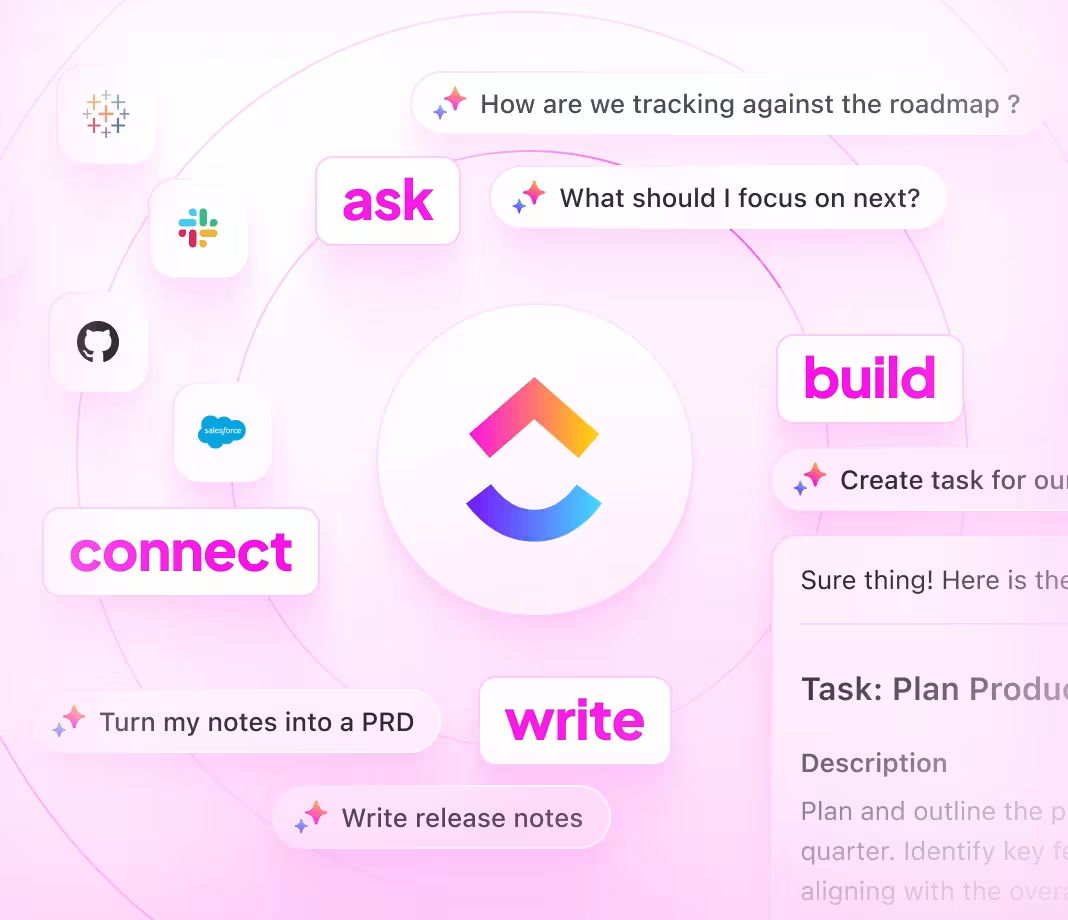
Harness ClickUp’s capabilities
How ClickUp empowers your predictive maintenance knowledge base
Stay ahead by combining structured knowledge with real-time operational data and AI-driven insights.
Organize
Comprehensive knowledge structure with ClickUp Docs
- Equipment catalogs, sensor data guidelines, failure analysis, maintenance procedures
- Intuitive navigation with tables of contents and nested pages
- Uniform documentation templates for clarity and speed
Why it matters: Technicians find critical information swiftly, reducing downtime and errors.

Assign & Track
Clear ownership and progress tracking
- Convert knowledge gaps into actionable tasks
- Assign responsibilities with deadlines and review cycles
- Monitor documentation updates alongside maintenance workflows
Why it matters: Accountability ensures your knowledge base remains precise and timely.

Synchronize
Connect documentation to maintenance events
- Link knowledge updates to maintenance schedules, incident reports, and sensor alerts
- Align documentation changes with equipment lifecycle events
- Integrate feedback loops from field data and team inputs
Why it matters: Your knowledge base reflects the reality of your operations, staying relevant and actionable.

Predictive Maintenance Knowledge Base with ClickUp
Frequently Asked Questions




SOC 2
CERTIFIED

ISO 27001
CERTIFIED

GDPR
COMPLIANT

HIPAA
COMPLIANT