
Post-Incident Review Knowledge Hub
Streamline Your Post-Incident Review Knowledge Base
Create a centralized, searchable resource for incident reports, root cause analyses, resolution steps, and preventative measures—ensuring your team learns and improves after every incident.
 25,000+ reviews from
Trusted by the best
ClickUp vs Traditional Systems
Elevate Post-Incident Reviews with ClickUp Knowledge Base
Unite incident insights and actions in one scalable platform.
Using Traditional Tools
- Incident data scattered across emails, docs, and spreadsheets
- Manual updates cause delays and outdated information
- Disconnect between incident insights and remediation tasks
- Limited access controls leading to duplicated or inaccessible content
- Time-consuming knowledge management and review processes
With ClickUp
- Integrate incident documentation with task management and AI-powered insights
- Automatically connect postmortems to follow-up actions
- Granular access settings for internal teams and stakeholders
- Harness ClickUp Brain and Brain Max to generate summaries and spot trends
- Accelerate updates and knowledge sharing with intelligent automation
Building Your Knowledge Base
How to Build a Post-Incident Review Knowledge Base
Follow these 6 essential steps to capture, organize, and act on incident learnings effectively.
1. Identify stakeholders and knowledge objectives
- Define who needs access to incident insights
- Clarify goals: faster resolution, prevention, compliance
- Assign clear ownership for maintaining content
2. Design a clear, consistent knowledge structure
- Create dedicated sections for incident reports, RCA, and action plans
- Use standardized templates for uniform documentation
- Enable easy navigation with tables of contents and subpages
3. Standardize incident documentation formats
- Include incident summary, timeline, impact, and root cause
- Document remediation steps, lessons learned, and follow-ups
- Maintain consistent formats to improve clarity and searchability
4. Incorporate real-world troubleshooting and preventative guides
- Add how-to guides for frequent incident resolutions
- Document mitigation strategies and best practices
- Centralize knowledge to reduce repeat incidents
5. Connect documentation with incident response workflows
- Link docs directly to incident tickets, tasks, and status updates
- Use ClickUp 4.0 features to automate follow-ups and reviews
- Treat documentation as an integral part of incident lifecycle
6. Manage access controls and continuous improvement
- Set permissions for internal teams, external partners, and auditors
- Schedule regular reviews and updates using ClickUp Brain reminders
- Gather feedback to refine knowledge base content continuously
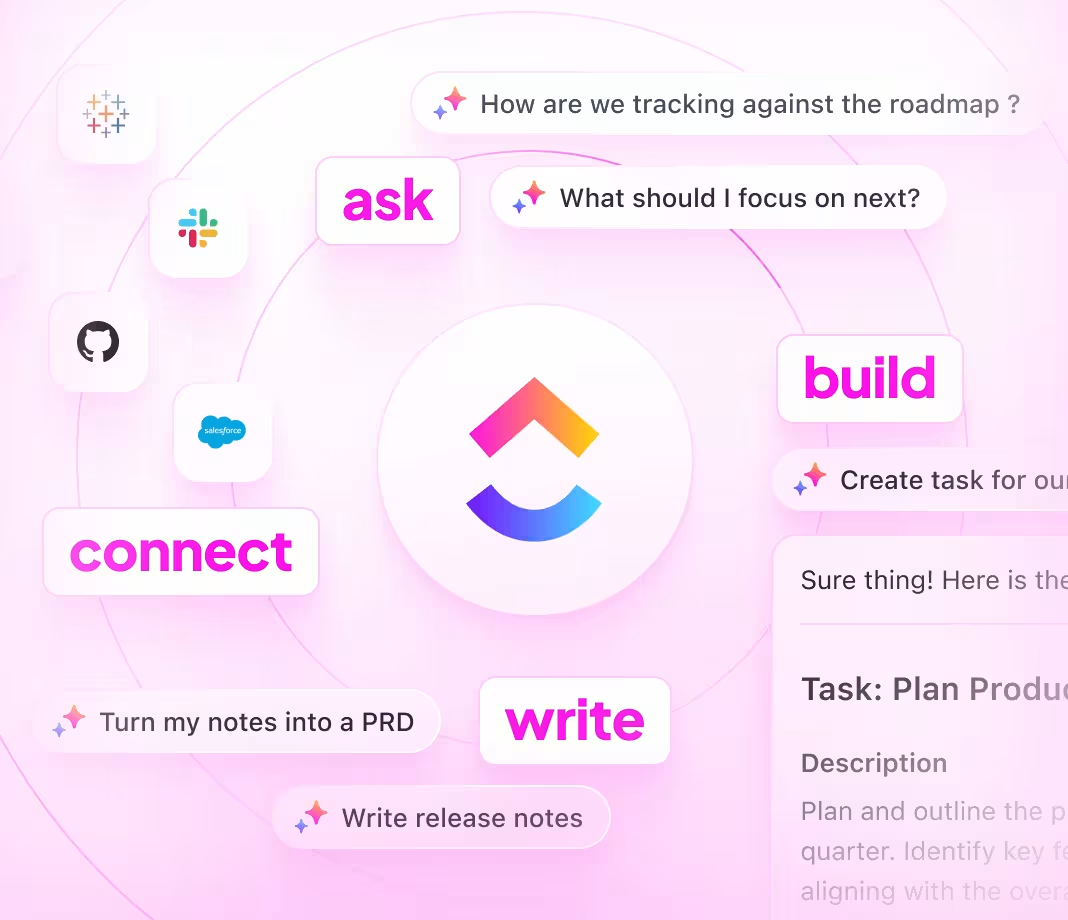
Why Choose ClickUp Knowledge Base?
Unlock the Power of ClickUp for Post-Incident Reviews
Ensure your post-incident insights are organized, actionable, and seamlessly connected to your workflows.
Organize
Structured Incident Knowledge with ClickUp Docs
- Centralize incident reports, root cause analyses, and action plans
- Navigate easily with tables of contents and nested pages
- Use consistent templates for every incident type
Why it matters: Your team finds critical post-incident insights quickly, reducing downtime and repeat issues.

Assign
Accountable Documentation Ownership
- Convert knowledge gaps into actionable tasks
- Assign owners, set deadlines, and schedule review cycles
- Manage incident documentation like your core operational work
Why it matters: Accountability ensures your knowledge base remains accurate and trustworthy.

Integrate
Seamless Linkage Between Documentation and Incident Workflows
- Connect docs to incident tickets, follow-ups, and retrospective tasks
- Harness ClickUp 4.0 automation to trigger updates and reminders
- Tie feedback and support data directly to knowledge entries
Why it matters: Documentation evolves alongside your incident response, keeping insights relevant.

Post-Incident Review Knowledge Base FAQs
Your Questions Answered


SOC 2
CERTIFIED

ISO 27001
CERTIFIED

GDPR
COMPLIANT

HIPAA
COMPLIANT