
Ocean Conservation Knowledge Hub
Streamline Your Ocean Conservation Knowledge Base
Create a unified, searchable resource encompassing marine research, species data, conservation strategies, and policy updates—so your team always accesses the most current ocean insights.
 25,000+ reviews from
Trusted by the best
ClickUp vs Traditional Tools
Elevate Ocean Conservation Efforts with ClickUp
Consolidate your research and action plans in one adaptable platform.
Traditional conservation tools
- Data scattered across multiple platforms, causing delays
- Manual updates lead to outdated information
- Fragmented communication among teams
- Limited access controls hinder collaboration
- Time-consuming documentation and reporting
Using ClickUp for ocean conservation
- Integrate knowledge and project tasks in a single workspace
- Assign AI-powered tasks to fill knowledge gaps instantly
- Link research to ongoing conservation initiatives
- Manage permissions for researchers, partners, and public audiences
- Accelerate documentation with ClickUp Brain and Brain Max AI capabilities
Building Your Ocean Knowledge Base
How to create an ocean conservation knowledge base?
Follow this 6-step approach to organize, maintain, and expand your marine data repository.
1. Identify your audience and conservation objectives
- Determine stakeholders: researchers, policymakers, educators
- Outline goals: species protection, habitat restoration, policy advocacy
- Assign roles to ensure content responsibility
2. Design a clear knowledge base framework
- Establish sections for marine species, ecosystems, threats, and solutions
- Create easy navigation with topics like coral reefs, ocean pollution, and climate impact
- Maintain changelogs for research updates and policy changes
3. Standardize content pages for consistency
- Use uniform templates covering species profiles, study methods, and conservation status
- Include data sources, geographic scope, and references
- Address common challenges and mitigation tactics to reduce redundancy
4. Incorporate practical guides and troubleshooting advice
- Develop protocols for field data collection and community engagement
- Document troubleshooting for equipment, data anomalies, and fieldwork challenges
- Centralize best practices for monitoring and reporting
5. Keep knowledge current by linking to ongoing projects
- Connect documentation to active restoration projects, policy campaigns, and research releases
- Treat knowledge updates as integral to project workflows
- Ensure the database evolves with new findings and environmental shifts
6. Secure and sustain your knowledge base
- Set tiered access for internal teams, collaborators, and public education
- Regularly update protocols, deprecation of outdated methods, and migration plans
- Collect feedback and schedule periodic reviews to maintain accuracy
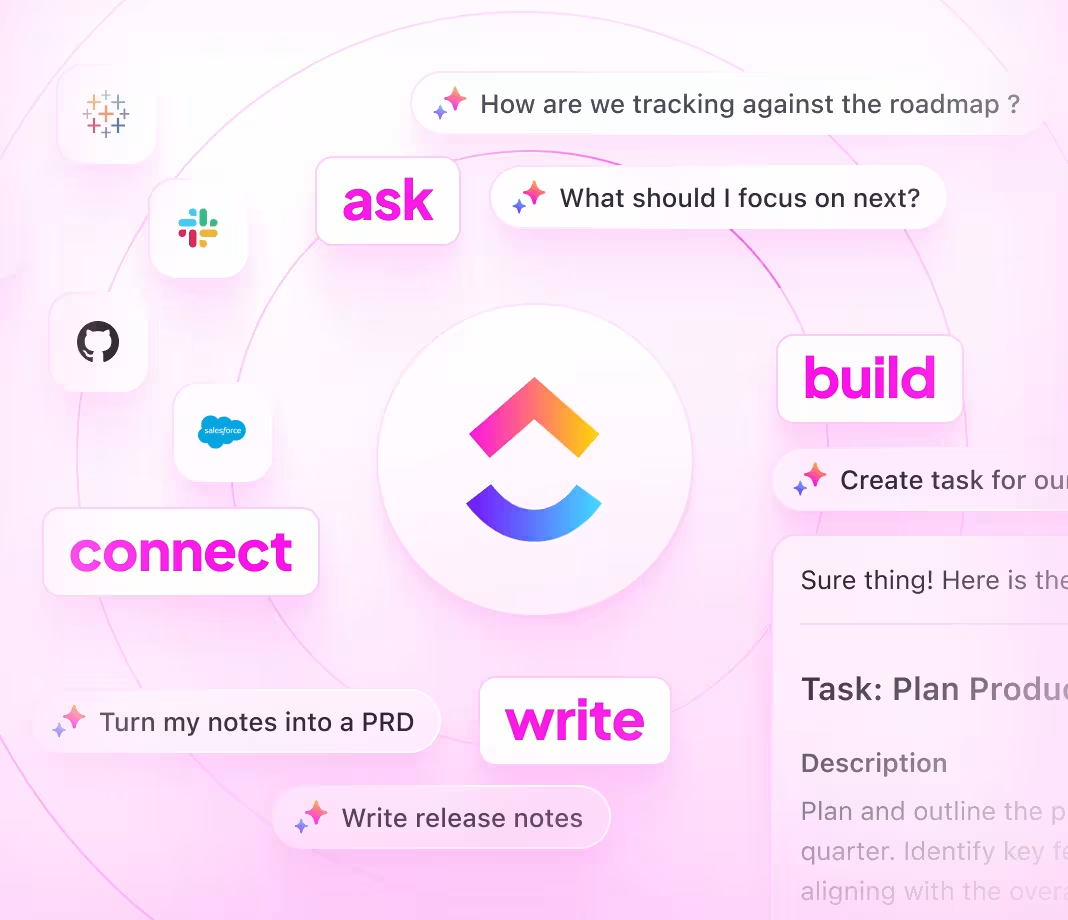
Harness ClickUp’s Knowledge Base Features
Unlock the Potential of ClickUp for Ocean Conservation
Keep marine data structured, accountable, and synchronized with ongoing conservation efforts.
Organize
Structured Ocean Data with ClickUp Docs
- Species profiles, Ecosystem overviews, Threat assessments, Restoration protocols
- Nested tables of contents for intuitive browsing
- Consistent page formatting for reliable data presentation
Why it matters: Rapid access to accurate information accelerates decision-making and action.

Manage
Assignable Knowledge Ownership
- Identify knowledge gaps and create actionable tasks
- Designate owners, set deadlines, and establish review cycles
- Monitor documentation progress alongside conservation projects
Why it matters: Accountability ensures your knowledge base evolves with the ecosystem.

Integrate
Connected Conservation Documentation
- Link knowledge pages to field studies, policy updates, and incident reports
- Relate feedback and community inputs directly to documentation
- Synchronize data updates with ongoing environmental events
Why it matters: Keeping knowledge synchronized prevents misinformation and supports adaptive management.

Ocean Conservation Knowledge Base with ClickUp
Common Questions


SOC 2
CERTIFIED

ISO 27001
CERTIFIED

GDPR
COMPLIANT

HIPAA
COMPLIANT