
Streamline Your Multi-Tenant Knowledge Base with ClickUp
Create a centralized, searchable platform for tenant configurations, access controls, shared resources, and troubleshooting—empowering your teams with accurate, up-to-date information at every layer.
 25,000+ reviews from
Why ClickUp Excels for Multi-Tenant Architecture Knowledge Management
Develop a unified knowledge base that evolves with your multi-tenant environment.
Using Traditional Tools
- Tenant documentation scattered across platforms, causing confusion
- Updates depend on manual tracking and can quickly become obsolete
- Limited linkage between tenant issues and system changes
- Access controls rigid, often leading to duplicated content
- Entirely manual processes slow down knowledge updates
With ClickUp
- Docs, tasks, and comments integrated for seamless knowledge and execution
- Identify and assign documentation gaps as actionable tasks
- Link tenant documentation to releases, incidents, and configurations
- Flexible permissions for internal teams, tenants, and partners
- AI-powered drafting and summarization accelerate content creation
How to Build a Multi-Tenant Architecture Knowledge Base
Follow these 6 steps to create an organized, accessible, and maintainable knowledge hub tailored for multi-tenant systems.
1. Identify your user roles and documentation objectives
- Map out tenant types and internal team needs
- Define key knowledge areas: tenant setup, permissions, shared services
- Delegate ownership to ensure ongoing accuracy
2. Design a clear, tenant-centric knowledge base structure
- Establish a unified hub with intuitive navigation for each tenant tier
- Organize content into sections like onboarding, configuration, monitoring, and security
- Keep change logs and deprecation events prominently accessible
3. Standardize documentation templates for tenant environments
- Use consistent formats detailing tenant capabilities, limitations, and configurations
- Cover access controls, resource allocations, and integration points
- Document common issues and resolutions to reduce support load
4. Incorporate real-world operational guides and troubleshooting
- Develop step-by-step procedures for tenant onboarding and offboarding
- Add diagnostic workflows for tenant-specific incidents
- Aggregate best practices for tenant resource optimization
5. Link documentation updates to deployment cycles
- Synchronize knowledge updates with infrastructure releases and patches
- Treat documentation as an integral part of deployment workflows
- Ensure tenants always access current operational procedures
6. Manage access and keep the knowledge base current
- Configure granular permissions for tenant groups and internal staff
- Maintain audit trails for changes and feedback
- Schedule regular reviews leveraging ClickUp Brain and Brain Max insights
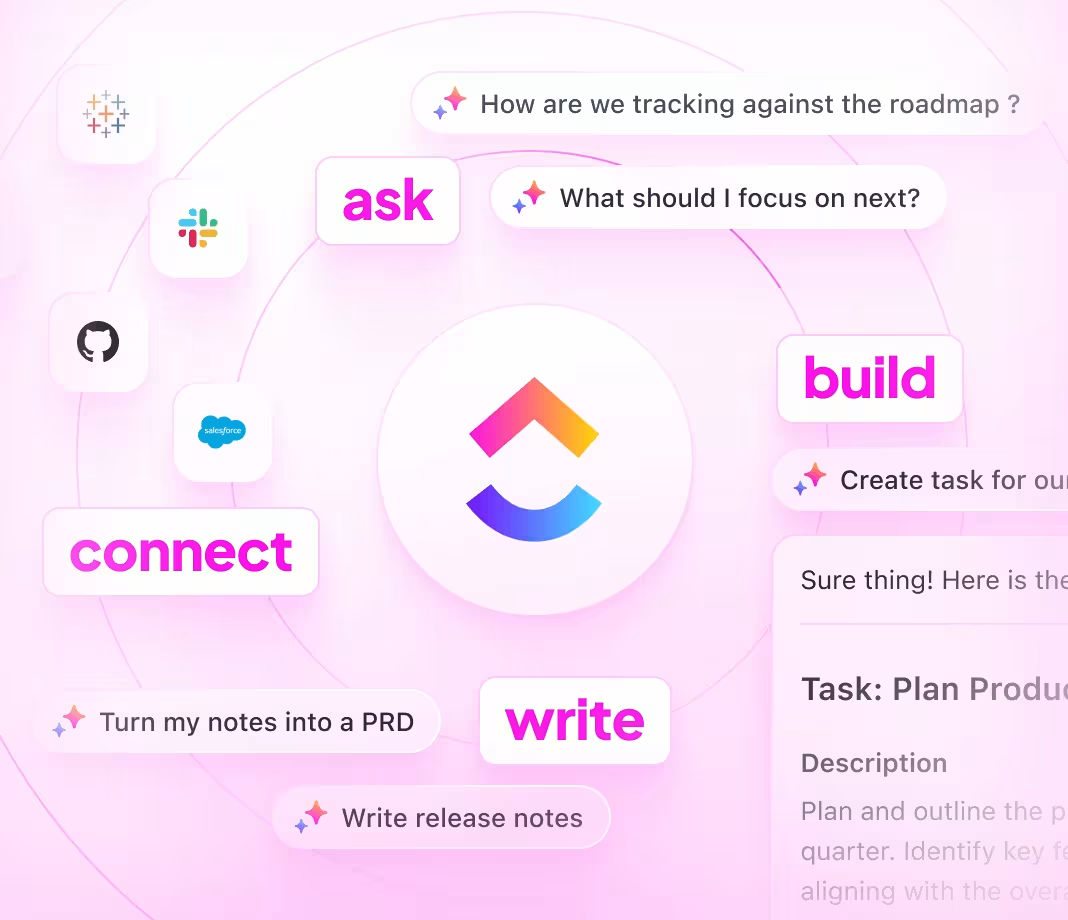
Unlock ClickUp’s Power for Multi-Tenant Knowledge Management
Keep tenant documentation structured, accountable, and seamlessly updated with every deployment.
Structured Tenant Documentation Using ClickUp Docs
- Tenant profiles, permission schemas, resource pools, operational procedures
- Table of contents with nested subpages for easy tenant-level navigation
- Consistent templates for tenant-specific documentation
Why it matters: Teams and tenants find information quickly, reducing downtime and errors.

Clear Ownership and Tracking for Documentation
- Convert documentation gaps into tasks assignable to experts
- Set owners, deadlines, and review schedules
- Monitor documentation progress like any other project work
Why it matters: Documentation stays relevant because accountability is built-in.

Documentation Synced with Deployments and Updates
- Connect docs to releases, configuration changes, and incident reports
- Link tenant-specific issues and resolutions directly to knowledge
- Use feedback loops to continuously improve tenant documentation
Why it matters: Documentation evolves alongside your architecture, reducing knowledge gaps.

Common Questions Answered




