
Monitoring & Alerting Knowledge Hub
Build a Dynamic Knowledge Base for Monitoring and Alerting
Create a centralized, searchable repository for alerts, workflows, incident responses, and monitoring protocols—ensuring your team always accesses the most current and actionable information.
 25,000+ reviews from
Trusted by the best
ClickUp vs Traditional Monitoring Tools
Why ClickUp Excels for Monitoring and Alerting Knowledge Management
One unified platform that grows with your operational needs.
Traditional Monitoring Solutions
- Documentation isolated from alert workflows, leading to outdated info
- Manual updates prone to oversight and delays
- Alerts and knowledge bases maintained separately
- Complicated access controls causing redundant copies
- Time-consuming manual documentation processes
ClickUp for Monitoring & Alerting
- Integrates knowledge and operational execution (Docs, alerts, comments)
- Automatically turn documentation gaps into actionable tasks
- Link knowledge directly to incidents, alerts, and monitoring configurations
- Granular permissions for internal teams, partners, and external users
- AI-powered assistance accelerates content creation and troubleshooting
Building Your Knowledge Base
How to Develop a Monitoring and Alerting Knowledge Base
Follow this 6-step approach to maintain an organized, accessible, and current monitoring knowledge repository.
1. Identify stakeholders and define knowledge base objectives
- Determine who needs access (engineers, SREs, support)
- Outline key monitoring scenarios and alerting workflows to document
- Assign ownership to ensure ongoing accuracy
2. Establish a clear and intuitive knowledge base structure
- Create a centralized hub with straightforward navigation
- Include sections such as alert definitions, escalation paths, runbooks, and incident logs
- Make changelogs and system updates easy to locate
3. Standardize alert and runbook documentation for consistency
- Use uniform templates for alerts covering trigger conditions, severity, and mitigation steps
- Document escalation procedures and communication protocols
- Include common failure modes and troubleshooting tips to reduce repeated incidents
4. Integrate practical guides and incident response playbooks
- Develop step-by-step guides for common alert scenarios
- Include diagnostics workflows and remediation strategies
- Centralize monitoring tool configurations and best practices
5. Ensure continuous updates linked to monitoring changes
- Connect knowledge updates to alert tuning, system changes, and incident reviews
- Treat documentation as part of operational change management
- Maintain alignment as monitoring setups evolve
6. Manage access and maintain knowledge over time
- Control visibility for internal teams, contractors, and external stakeholders
- Keep logs of updates, retirements, and migration notes
- Collect feedback and schedule regular reviews to prevent knowledge decay
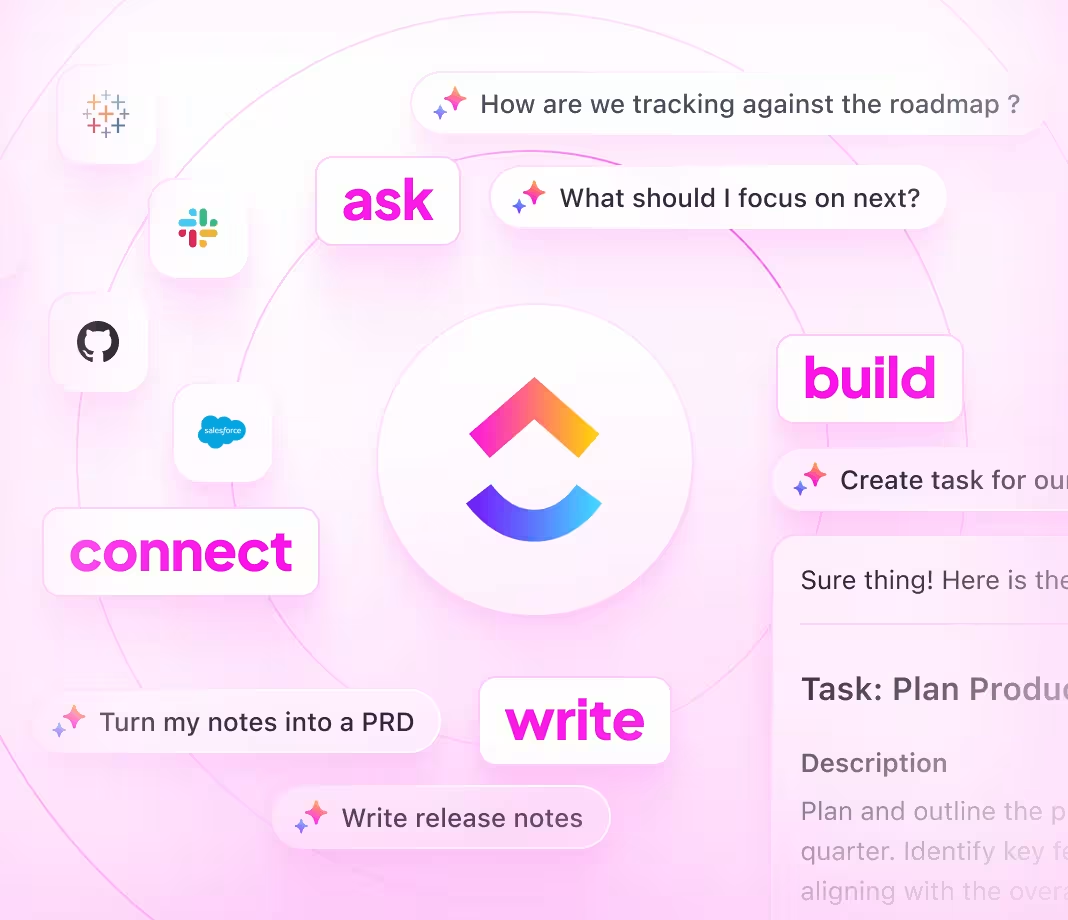
Harnessing ClickUp for Operational Clarity
How ClickUp Supports Your Monitoring & Alerting Knowledge Base
Maintain a living, structured knowledge base that adapts with every alert and incident.
Organization
Structured Documentation with ClickUp Docs
- Alert definitions, escalation protocols, runbooks, incident logs
- Table of contents plus nested pages for easy navigation
- Consistent template use across alert and runbook pages
Why it matters: Teams locate critical information quickly, reducing resolution times.

Accountability
Ownership and Task Integration
- Identify and assign documentation owners
- Create tasks for knowledge gaps or updates
- Manage review cycles like operational workflows
Why it matters: Documentation remains accurate as responsibilities are clear and tracked.

Integration
Linking Documentation to Alerts and Incidents
- Connect docs to alert configurations and incident reports
- Tie feedback and postmortems directly to knowledge base updates
- Embed monitoring tool references and troubleshooting guides
Why it matters: Documentation evolves in lockstep with system and alert changes.

ClickUp Monitoring Knowledge Base FAQs
Common Questions About Building Monitoring & Alerting Knowledge Bases


SOC 2
CERTIFIED

ISO 27001
CERTIFIED

GDPR
COMPLIANT

HIPAA
COMPLIANT